2026 Top Types of Seamless Bras for Global Buyers
In 2026, global buyers are looking beyond softness when evaluating Seamless Bras. They want dependable fit, clean construction, and verified material performance. A bra may feel smooth in a showroom, yet pinch after eight hours of movement. That difference matters.
Kimmay Caldwell, a lingerie fitting educator and bra expert, offers a useful standard: “Your bra should support you, not define you.” Her advice reflects a practical truth. Comfort is personal, but quality can be examined. Buyers should study stretch recovery, cup stability, band pressure, fabric breathability, and size consistency across production batches. They should also request fiber details, care instructions, testing records, and clear labeling for each market.
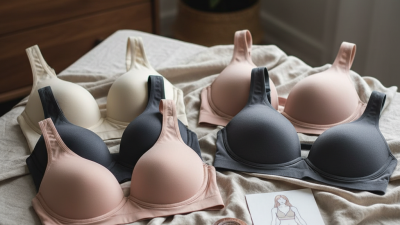
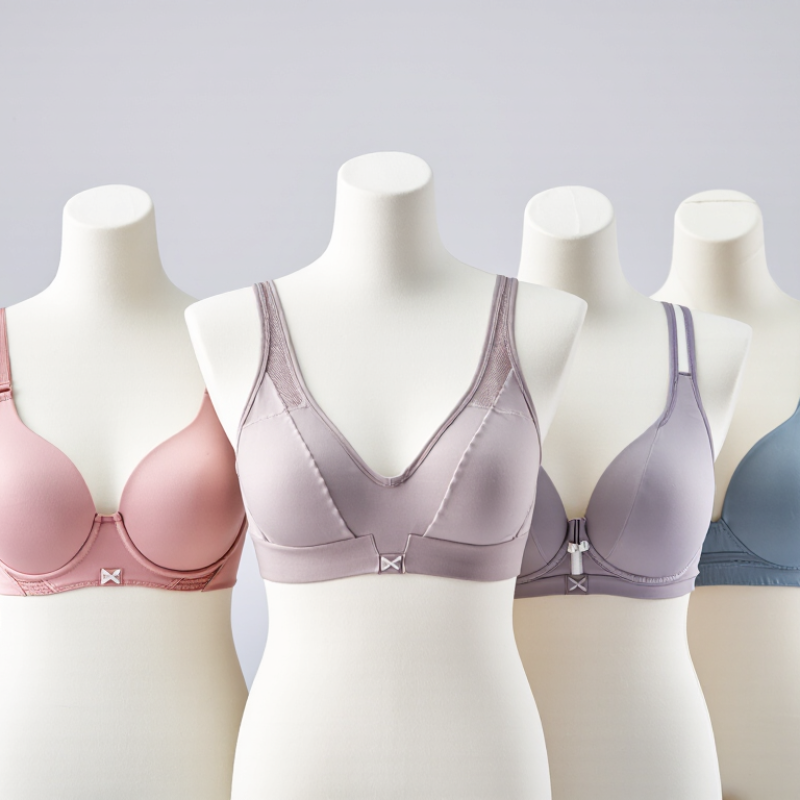
This guide introduces the main types of Seamless Bras expected to attract international demand in 2026. It covers wire-free everyday styles, molded-cup designs, bonded bras, light-support lounge bras, nursing options, and performance-focused versions. Each type serves a different body shape, retail channel, and use case.
Details become visible up close. Think of flat seams under a white T-shirt, removable pads inside a travel bag, or a band that rolls during a long flight. These small moments influence returns and reviews.
Some categories overlap. That is normal. Product names are not always consistent across countries, and “seamless” can describe different construction methods. Buyers should compare samples, not slogans. The strongest decisions combine fit trials, supplier evidence, customer feedback, and realistic price targets. No category wins every market. That is worth remembering.
2026 Global Market Data: CAGR, E-Commerce Share, and Regional Demand
2026 Top Types of Seamless Bras for Global Buyers
The seamless bra market is gaining attention as consumers seek smooth fit, lighter construction, and fewer visible lines. Grand View Research estimates the global lingerie market will grow at about 5.5% CAGR from 2024 to 2030. This expansion supports demand for wireless, lightly padded, molded-cup, and convertible seamless bras. However, market measurements often combine bras with broader lingerie categories. Buyers should treat headline figures carefully.
E-commerce is reshaping product selection. Statista Market Insights indicates that online channels represent roughly one-quarter of global apparel sales, with higher penetration in digitally mature markets. North America and Western Europe continue to value comfort, inclusive sizing, and easy returns.
East Asia shows strong mobile-commerce activity, while Southeast Asia and parts of Latin America are developing quickly through social shopping. Different needs matter.
Size accuracy remains a weakness. Experiences from cross-border fitting show that band measurements and cup grading vary between regions. A medium in one market may not fit another customer. Data from Euromonitor’s apparel research also highlights uneven consumer spending across regions. Therefore, buyers should compare local size charts, fabric recovery, lining weight, and return policies. Seamless does not always mean supportive. That distinction deserves more attention.
Seamless Sports Bras: Support Levels, Compression Tests, and Volume Data
Seamless sports bras are moving from basic comfortwear into measured performance products. Grand View Research valued the global sports apparel market at about US$248.5 billion in 2023, with growth expected through 2030. For buyers, that expansion increases demand for clear support categories, not vague “high-performance” claims.
Low-support styles suit yoga, walking, and daily layering. Medium support usually combines moderate stretch with firmer underbust recovery. High-support designs need stronger compression, wider straps, and reduced vertical movement. ISO 20932-1 can assess fabric elasticity, while ASTM D2594 helps evaluate stretch recovery. Neither method alone proves breast support. That gap matters. A practical factory test should record pressure at the bust and rib area, then repeat measurements after 30 to 50 wash cycles. Treadmill trials can add real movement data.
Small details change buying decisions. A 3–5 kPa pressure range may feel supportive, but excessive pressure can create rib discomfort. Testers should compare dry and sweat-soaked garments, because moisture changes friction and recovery. Retail volume data also deserves caution. Fortune Business Insights reported continued growth in the sports bra category, but market definitions vary by country and channel. Some reports count crop tops; others exclude them. That makes direct volume comparisons imperfect. Global buyers should request size-level sell-through, return rates, fabric recovery results, and tested compression readings before placing large orders. Half the picture is still missing without consumer fit trials.
Global Buyer Standards: OEKO-TEX, REACH, ISO 3758, and Labeling Data
2026 Top Types of Seamless Bras for Global Buyers
Seamless bras now include wireless, molded-cup, sports, nursing, and light-support designs. Global buyers should assess compliance before comparing colors or prices. OEKO-TEX certification helps verify tested textiles and components for harmful substances. Ask for a current certificate covering the exact fabric, dye, elastic, and production facility. A certificate for one material may not cover every finished bra.
REACH compliance requires careful control of restricted chemicals in materials, coatings, prints, and packaging. Request supplier declarations, test reports, and substance information for traceability. ISO 3758 supports consistent care-label symbols, including washing temperature, bleaching, drying, ironing, and professional care. Labels should also show fiber composition, size, country of origin, and responsible company data when required by the destination market. Small errors matter. Incorrect fiber percentages can delay customs checks or create consumer complaints.
Tips: Build a document checklist for every style and color. Match test reports with purchase orders and production dates. Inspect sewn labels, wash symbols, and packaging before shipment. Do not rely on a supplier’s verbal assurance. Standards can change, and certificates can expire. Our review process is not perfect; mixed fabrics and recycled fibers still create difficult labeling questions. When uncertainty remains, obtain market-specific advice and retest the final product.
2026 Top Types of Seamless Bras for Global Buyers
This procurement screening index uses a 1–5 scale to show how strongly each seamless bra type typically depends on material safety documentation, chemical compliance, care labeling, and product traceability. OEKO-TEX focuses on harmful-substance testing, REACH covers chemical obligations in the EU market, ISO 3758 defines textile care-symbol systems, and product labels should provide accurate fiber, care, origin, and responsible-party information.
The index is a practical buyer-planning tool, not a certification result. Actual requirements depend on destination-market regulations, product composition, construction, and sales channel.