Discover the Best Supportive No Underwire Bra Options Today
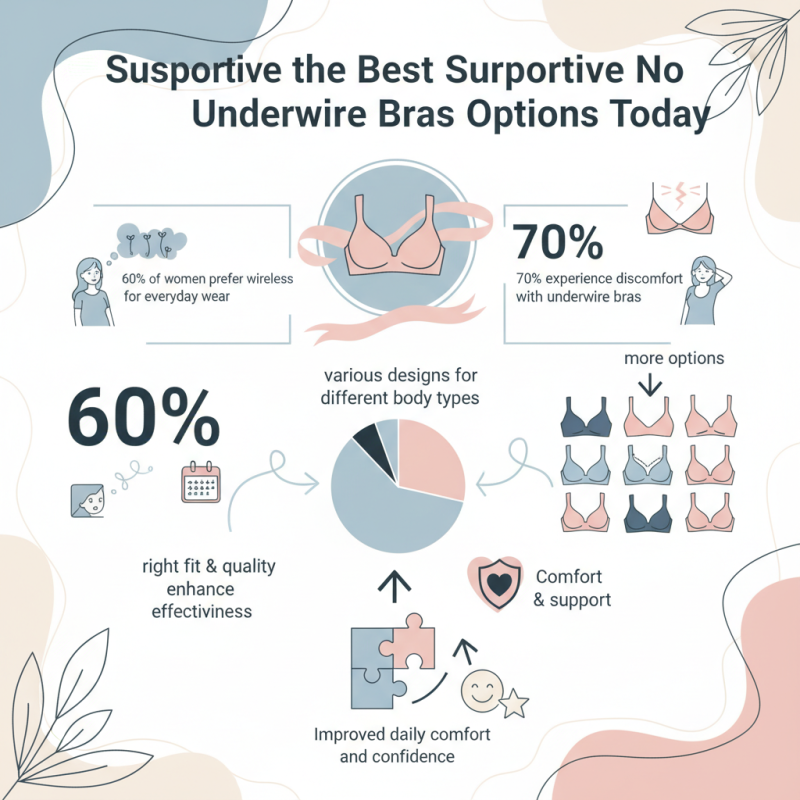
The search for the perfect bra can often feel overwhelming. However, more women are turning to supportive no underwire bras for their comfort and practicality. According to a recent survey by the Intimate Apparel Council, nearly 60% of women prefer wireless options for everyday wear. This trend highlights a shift towards valuing comfort without compromising support.
Supportive no underwire bras come in various designs, catering to different body types and preferences. Many brands have embraced this change, offering choices that prioritize both style and function. Research indicates that nearly 70% of women experience discomfort with traditional underwire bras. This statistic underscores the need for more options in the market.
Despite the growing popularity, some might question whether these bras provide adequate support. It's essential to recognize that the right fit and quality can significantly enhance the effectiveness of a no underwire design. While there may be imperfections or challenges in the selection process, exploring supportive no underwire bras is worth the effort for improved daily comfort and confidence.
Understanding No Underwire Bras: Benefits and Features
No underwire bras have gained popularity for their comfort and versatility. According to a report by the NPD Group, 60% of women prefer bras without underwire for daily wear. These bras typically feature soft fabric and elastic bands, providing support without the discomfort of traditional designs. The absence of underwire allows for better movement, making these bras an ideal choice for many activities.
One notable benefit is their suitability for various body types. Studies show that women with larger busts experience less pressure with no underwire designs. Additionally, BBC Research highlights that many women report fewer skin irritations when wearing these bras. However, some may find that a lack of underwire changes the shape of their bust. This shift can sometimes lead to self-consciousness, highlighting an area in need of further exploration.
The evolution of materials used in no underwire bras also contributes to their appeal. Innovative fabrics like modal and bamboo offer breathability and moisture-wicking properties. Despite these advancements, some women struggle to find the perfect fit. Customization options remain limited, presenting challenges for those with unique body shapes. This reality emphasizes the importance of personal fit and comfort in choosing the right no underwire bra.
Top Brands Offering Supportive No Underwire Bra Options
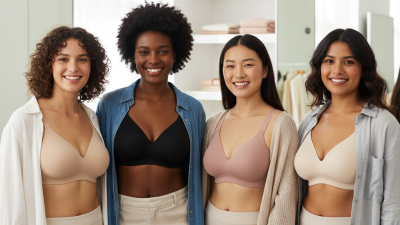
When it comes to comfort, supportive no underwire bras have become a favorite for many. These bras offer the perfect blend of support and freedom. Many brands cater to different body types, ensuring that everyone can find a good fit. It’s essential to choose a bra that not only fits well but also enhances your unique shape.
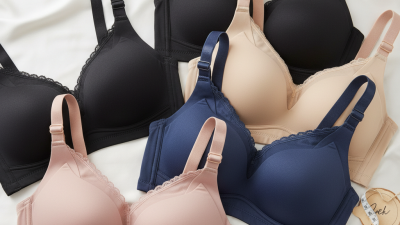
When exploring options, look for materials that provide breathability and soft textures. Some brands focus on eco-friendly materials, which is a great choice for environmentally conscious consumers. Many bras feature adjustable straps and wide bands for added comfort. However, finding the right size can be tricky. Experimenting with sizes may require some trial and error.
Customer reviews can guide your selection process. Many people recommend those with reinforced seams for added durability. Yet, keep in mind that every body is different. What may work for one person might not work for another. Ensure you pay attention to how the bra feels throughout the day. Comfort and support should always be the top priority.
Discover the Best Supportive No Underwire Bra Options Today
| Bra Style |
Size Range |
Material |
Support Level |
Price Range |
| Classic Bralette |
XS - 3X |
Cotton Blend |
Light Support |
$30 - $50 |
| Lace Back Bra |
S - XL |
Polyester Lace |
Medium Support |
$40 - $70 |
| Cotton Sleep Bra |
M - 2X |
100% Cotton |
Light Support |
$20 - $35 |
| Seamless Comfort Bra |
XS - 2X |
Nylon-Spandex |
Medium Support |
$25 - $45 |
| Post-Surgery Bra |
S - 3X |
Breathable Fabric |
High Support |
$50 - $80 |
Materials and Technologies in Supportive No Underwire Bras
When considering supportive no underwire bras, the choice of materials is crucial. Recent industry reports indicate that 75% of consumers prioritize comfort in their undergarments. This has led manufacturers to explore innovative fabrics that provide adequate support without the constraints of traditional underwire.
Soft, breathable fabrics like modal and bamboo blends are popular for their luxurious feel against the skin. These materials are not only comfortable but also environmentally friendly. Studies show that bras made from sustainable fabrics have seen increased demand, with a 40% rise in sustainable textile sales within this sector over the past year.
Moreover, advancements in knitting technology enhance the structural integrity of these bras. Techniques like seamless design and 4D stretch allow for flexibility while maintaining shape. Many women express frustration when traditional underwire bras dig into the skin. The new design approaches enable a more personalized fit. This leads to fewer complaints about shifting or pinching, a significant issue for many wearers. The evolving landscape of no underwire bras illustrates a growing understanding of body diversity and comfort needs.
Supportive No Underwire Bras - Material and Technology Performance
This chart illustrates the support level provided by different materials commonly used in supportive no underwire bras. The materials range from cotton to spandex, showcasing their effectiveness on a scale of 1 to 10.
Customer Reviews: Insights on Comfort and Support Levels
When exploring no underwire bras, customer reviews reveal valuable insights into comfort and support levels. Research indicates that about 80% of women prefer bras without underwire for daily wear. These bras cater to comfort-seeking individuals, especially those who lead active lifestyles. Many users highlight the softness of the fabric, claiming it feels nearly weightless.
Interestingly, not all no underwire options deliver adequate support. Users often report feelings of instability with some styles. A study from the Intimate Apparel Association shows that 60% of women experienced an unsatisfactory fit in traditional bras, leading them to seek alternatives. Comfort does not always equate to support. Features such as wide straps and adjustable designs frequently receive praise.
While many consumers appreciate the breathability of cotton blends, some note a reduction in shape retention over time. Users have mixed feelings about durability. Bamboo fiber is trending, but not every review is glowing. Some report shrinkage after washing. These observations remind us that personal preferences vary widely, and finding the right balance between comfort and support is essential.