Choosing the best type of Women Bras for global buyers is rarely a simple product decision. A suitable bra must balance support, comfort, fabric quality, sizing accuracy, and market expectations. A seamless T-shirt bra may work well under fitted clothing, while a wireless style can offer softer daily comfort. Sports bras require different support levels, especially for high-impact activities.
Global purchasing teams also examine construction details. They may check strap adjustment, cup shaping, hook durability, stitching, and fabric recovery after washing. Cotton blends can feel breathable, while microfiber often provides a smoother finish. Recycled fibers may support sustainability goals, but their performance should be verified through reliable testing and supplier documentation.
Fit remains the difficult part. Size charts vary between regions, and a label alone proves very little. A buyer in Europe, North America, or the Middle East may expect different proportions, coverage, and styling. Sample testing on varied body shapes can reveal problems before bulk production. The band may roll. The cups may gap. Small issues matter.
No single style suits every market. That assumption fails often. Experienced buyers compare customer feedback, return reasons, wear tests, and supplier consistency before choosing a range. They also review care labels, material composition, and quality-control records. This article explores practical bra categories, selection criteria, and sourcing considerations for international buyers seeking dependable Women Bras without sacrificing comfort or commercial value.
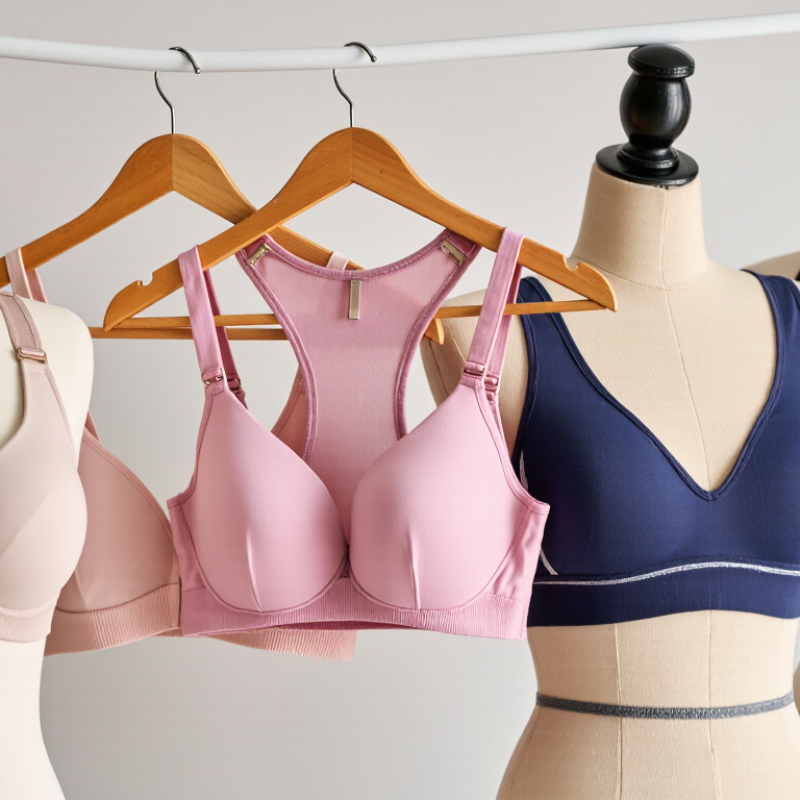
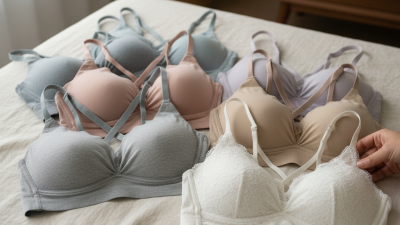
Choosing the best women’s bra starts with function, not appearance. A T-shirt bra uses smooth cups under fitted clothing. It suits office wear and daily shopping. A balconette bra lifts from below and creates a wider neckline. A push-up style adds volume through angled padding. An underwire bra provides structured support, but some wearers may find it restrictive. A sports bra limits breast movement during running or training. A bralette offers light support, softness, and easy layering. Each type serves a different need. Fit still decides performance.
Tips: Ask suppliers for size charts, fabric details, and sample measurements. Measure the underbust and fullest bust separately. Check cup depth, strap adjustment, side support, and band recovery after stretching. Test stitching around the underwire and hook area. Request samples in several sizes, not only one standard size. Small details matter. Buyers should also review washing instructions and colorfastness before larger orders.
A common purchasing mistake is treating size charts as universal. Body shapes, measuring habits, and comfort expectations vary between regions. Use local fit data when available, and compare customer feedback carefully. Do not judge a bra while standing only. Test it while sitting, walking, and reaching. Some padding looks attractive in photos, yet it may feel hot during long wear. A lighter lining can sometimes improve comfort, though it may reduce shaping. This trade-off deserves honest testing, not optimistic assumptions. Real use exposes weak design.
What Is the Best Type of Women Bras for Global Buyers?
For global buyers, the best bra begins with body shape and support needs. A fuller bust often benefits from full-cup designs, wider straps, and a firm underband. These features can reduce pressure on the shoulders during long working days. A smaller or shallow bust may feel more comfortable in lightly lined, balconette, or molded styles. Plunge bras suit low necklines, but their center support may feel limited.
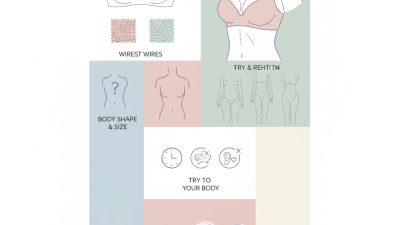
Fit should be checked carefully. Measure the ribcage directly under the bust, then measure the fullest point without tightening the tape. Compare both measurements with the seller’s size chart. Sizing systems differ across countries, so the label alone is not reliable. The band should sit level around the body. It should feel secure, not painful. Two fingers should fit beneath it.
Women with asymmetrical breasts may prefer removable pads or stretch cups. Wireless bras can offer gentle comfort for daily use, while high-impact sports bras need stronger separation and reduced movement. I have found that fabric softness matters more after several hours than during a quick fitting. Still, this is not universal. Some buyers prefer firm compression, while others dislike it. A well-designed bra should match real movement, climate, and clothing habits, not only a measurement chart.
| Body Shape or Fit Profile | Common Fit Considerations | Recommended Bra Styles | Typical Support Level | Useful Design Features | Best Use Cases | Global Buying and Fit Notes |
|---|---|---|---|---|---|---|
| Fuller Bust | Needs stable cup coverage, a secure band, and comfortable separation without excessive pressure. | Full-cup bra, side-support bra, balconette with strong construction, and minimizer bra. | Medium to High | Three-part cups, wider straps, firm underband, reinforced side panels, and a three- or four-row back closure. | Everyday wear, workwear, long days, and garments requiring reliable shaping. | Check cup depth and underband stability rather than relying only on the letter size. EU, UK, and US cup labeling can differ. |
| Shallower Bust | May experience empty space near the upper cup or gaping in styles with tall, rigid cups. | Plunge bra, demi-cup bra, lightly padded T-shirt bra, and wireless contour bra. | Low to Medium | Graduated padding, shorter cup height, flexible foam, smooth molded fabric, and close-set straps. | Everyday outfits, fitted tops, low necklines, and lightweight clothing. | Flexible cups often conform better than very rigid molded cups. Compare cup shape, not just volume. |
| Fuller on the Bottom | Usually benefits from support and room in the lower cup with a neckline that follows the natural upper-bust line. | Demi-cup bra, balconette bra, plunge bra, and stretch-lace cup bra. | Low to Medium | Open upper cup, supportive lower cup, vertical seams, stretch upper lace, and adjustable straps. | Low- to medium-cut tops, occasion wear, and everyday styling. | A slightly open neckline can reduce upper-cup gaping. Fit should be assessed while standing and moving. |
| Evenly Distributed Bust | Often accommodates a broad range of cup shapes, although depth and projection still vary between individuals. | T-shirt bra, full-cup bra, plunge bra, balconette bra, and wireless bra. | Low to High | Seamless cups for a smooth finish, removable padding, adjustable straps, and multiple closure positions. | Daily wear, office clothing, travel, and versatile capsule wardrobes. | Prioritize the cup outline and underwire placement. A flexible style can be useful for buyers with changing fit preferences. |
| Close-Set Bust | May need a narrower center bridge to prevent the cups from sitting too far apart or pressing on breast tissue. | Plunge bra, narrow-gore demi-cup bra, and front-close bra with a low center bridge. | Low to Medium | Narrow center gore, angled cups, low plunge front, and adjustable or convertible straps. | V-neck clothing, fitted tops, and styles requiring a closer center line. | Check whether the center bridge lies flat without resting on breast tissue. Underwire length and angle are important. |
| Wide-Set Bust | May need cup spacing and shaping that gently guides the bust inward without excessive compression. | Balconette bra, plunge bra, side-support bra, and front-close bra. | Medium | Side panels, forward-pointing cups, wider center bridge, and adjustable straps positioned toward the outer cup. | Everyday wear, structured clothing, and outfits needing a defined silhouette. | Side support can improve comfort and positioning. Avoid choosing a smaller band to force the bust inward. |
| Petite Frame or Narrow Shoulders | Standard straps may slip, while tall cups or wide bands can overwhelm the frame. | Plunge bra, demi-cup bra, wireless bralette, and petite-proportion T-shirt bra. | Low to Medium | Narrower straps, shorter cup height, close-set strap placement, petite underwire, and adjustable back closure. | Light daily support, layering, travel, and smaller-scale garments. | Look for proportionate cup height and strap placement. Band length should be checked independently from cup volume. |
| Plus-Size or Extended-Size Fit | Requires dependable band support, stable straps, comfortable cup depth, and materials that retain shape. | Full-cup bra, longline bra, side-support bra, sports bra, and reinforced wireless bra. | Medium to High | Wide underband, wider padded straps, power mesh, reinforced seams, side panels, and multi-hook closure. | Everyday wear, extended wear, work, travel, and active lifestyles. | Confirm the available size range and grading method. Extended sizes should be tested for strap, band, and wire comfort separately. |
| Posture or Back-Support Needs | May benefit from stable construction, balanced weight distribution, and comfortable shoulder adjustment. | Supportive full-cup bra, posture-support bra, longline bra, and wide-back wireless bra. | Medium to High | Wide back panel, cushioned straps, firm but flexible band, supportive side wings, and breathable lining. | Workdays, extended sitting or standing, and customers seeking additional upper-body stability. | Support garments should not restrict breathing or cause numbness. Fit and comfort testing are essential. |
| Low-Impact Activity | Needs light movement control and moisture management without the compression required for intense exercise. | Yoga bra, low-impact sports bra, seamless crop bra, and light-support racerback bra. | Low to Medium | Soft elastic, removable pads, breathable knit, racerback option, wide underband, and quick-drying fabric. | Yoga, walking, stretching, pilates, and casual leisurewear. | Choose based on activity intensity and personal comfort. Fabric recovery is important for repeated washing. |
| High-Impact Activity | Requires significant bounce control, secure coverage, and moisture management during repetitive movement. | Encapsulation sports bra, compression sports bra, or a hybrid sports bra. | High | Encapsulated cups, adjustable straps, firm underband, breathable mesh, sweat-wicking fabric, and secure closure. | Running, aerobics, court sports, dance, and high-intensity training. | Encapsulation separates and supports each breast; compression holds the bust closer to the torso. Fit should be tested through movement. |
| Sensitive Skin or Warm Climate | May need reduced friction, airflow, moisture control, and smooth materials around the band and straps. | Seamless wireless bra, breathable T-shirt bra, cotton-lined bra, and light-support bralette. | Low to Medium | Moisture-wicking fabric, soft brushed elastic, flat seams, breathable mesh, cotton or modal lining, and nickel-free hardware. | Hot climates, daily wear, travel, sleepwear, and customers prone to irritation. | Fiber content and care instructions should be clearly listed. Fit should avoid rubbing, pinching, and excessive heat retention. |
| Special-Occasion Styling | Needs neckline compatibility, discreet construction, and adequate support under formal or fitted garments. | Convertible bra, strapless bra, plunge bra, adhesive solution, and longline bustier. | Low to High | Removable straps, silicone grip strips, low center bridge, smooth cups, longline band, and multiple wearing configurations. | Eveningwear, bridalwear, off-shoulder tops, backless clothing, and formal events. | Strapless support depends heavily on a firm, correctly fitted band. Adhesive products require skin-safety and wear-time guidance. |
| Nursing or Postpartum Use | Priorities may include easy access, changing breast fullness, softness, and support without rigid pressure. | Nursing bra, crossover nursing bralette, seamless maternity bra, and flexible full-cup nursing bra. | Low to Medium | One-hand nursing clips, drop-down cups, stretch fabric, wide band, breathable lining, and adjustable sizing. | Pregnancy, breastfeeding, hospital preparation, and early postpartum wear. | Body measurements can change during this period. Flexible fabrics and adjustable closures may provide a more adaptable fit. |
Buyer guidance: Bra sizing systems vary by market, and the same nominal size can fit differently across patterns and manufacturers. Global buyers should compare underbust and bust measurements, review the specific size chart, and assess band, cup, strap, and wire fit independently.
For global buyers, the best women’s bra is rarely defined by one material. Cotton blends feel soft and breathable in daily wear. Modal offers a smoother touch, while microfiber dries faster after washing. Recycled fibers can support sustainability goals, but softness may vary between suppliers. No fabric wins every market. Climate, skin sensitivity, and customer habits matter.
Construction often decides comfort more than appearance. Wide, brushed straps reduce pressure on the shoulders. A firm underband should stay level without digging into the ribs. Seamless cups suit fitted clothing, but they may provide less shaping control. Sewn panels can improve support and fit consistency. Check stitching near the hooks, bridge, and cup edges. These areas often reveal production quality.
Durability depends on both materials and care. Test samples through repeated washing, stretching, and drying before placing a large order. Elastic should recover after movement, not remain loose. Color should resist fading and transfer onto light clothing. I would also compare several size sets, because a successful sample can hide grading problems. That mistake is easy to make. Buyers should review fabric composition, measurement tolerances, odor, and labeling details with qualified suppliers. A lower unit price may become expensive when returns, replacements, and customer complaints increase. Comfort testing with real users is valuable, although feedback can be inconsistent across regions. That uncertainty deserves attention.
For global buyers, the best women’s bra is not defined by style alone. It should provide reliable support across different bodies and markets. In practical fit checks, I examine band tension, cup depth, strap adjustment, and fabric recovery. A soft molded bra may suit everyday retail, while a fuller-coverage design can reduce fit complaints. The right choice depends on customer profiles, climate, and sales channels. Nothing fits everyone.
Bra sizing creates the greatest cross-border risk. A 75C in one system may not match a 34C elsewhere. Even nearby size charts can differ. Buyers should compare underbust and bust measurements in centimeters, then test physical samples. Do not rely on a simple conversion chart. It can mislead. Fit standards also vary by market, age group, and preferred coverage. I recommend measuring several wearers, including petite and fuller figures. One sample is not evidence. It shows only one body.
Labels should clearly show the size system, fiber content, care instructions, and origin details when required. Translation must remain accurate and readable after washing. Check destination-market rules before production, because labeling duties can change. A dual-size label may help shoppers, but too many numbers can create confusion. I once treated a chart as final and overlooked cup-shape differences. That mistake changed my sampling process. Buyers should set measurable tolerances for band stretch, cup symmetry, and label placement before approving bulk production.
What Is the Best Type of Women Bras for Global Buyers?
Global buyers rarely need the same bra design. The best choice depends on climate, fit preferences, retail positioning, and return risks. Molded wireless bras offer comfort and simpler shipping. Underwired styles provide stronger support, but require precise cup grading and channel inspection. Grand View Research estimates that the global lingerie market reached USD 88.32 billion in 2023, with continued growth through 2030. This growth increases demand for flexible, well-documented suppliers.
A practical supplier audit should examine factory capacity, sample consistency, labor controls, and traceability. Request size-set samples, not one approved sample. Check band recovery, strap slippage, hook strength, seam comfort, and colorfastness after repeated washing. A 20-wash test can reveal problems hidden during final inspection. Test reports should cover fiber content, restricted substances, and skin-contact safety under destination-market requirements. No supplier scorecard is perfect. That matters.
Material selection also deserves careful review. Textile Exchange’s 2024 Materials Market Report recorded 124 million tonnes of global fiber production in 2023. Buyers should ask whether recycled claims have credible transaction records. They should also verify elastic composition and cup-foam aging. The cheapest quote can create expensive returns. In my view, suppliers should provide measurable tolerances, inspection records, and corrective-action evidence before mass production. However, local fit testing remains essential; a technically compliant bra can still fit poorly across different body shapes.
This weighted procurement framework highlights the factors global buyers typically assess when comparing bra suppliers. Quality consistency, fit accuracy, material safety, and compliance documentation receive the highest priority.
Weighted buyer-requirement index: 100 represents the highest priority in supplier evaluation.