What is a Bralette and How to Choose the Right One?
In recent years, the bralette has surged in popularity, becoming a staple in many women's wardrobes. According to a report by Grand View Research, the global intimate apparel market is expected to reach $78.7 billion by 2025, with bralettes playing a significant role in this growth. Experts like Dr. Emily Turner, a renowned lingerie specialist, emphasize, "Bralettes offer comfort and style without compromising support."
These garments often prioritize lightweight fabrics and seamless designs, catering to modern fashion sensibilities. However, the challenge lies in choosing the right bralette for your body type and needs. Many consumers overlook essential factors like fit, fabric, and intended use, resulting in dissatisfaction. Understanding these aspects is crucial to unlocking the full potential of this versatile piece.
Despite their appeal, bralettes are not universally suitable. Some women may find they need more support than a bralette provides. It's essential to recognize that while bralettes excel in comfort, they may require an adjustment period for those accustomed to traditional bras. By weighing the pros and cons, we can make informed choices in our intimate wear.
What is a Bralette? Understanding the Basics
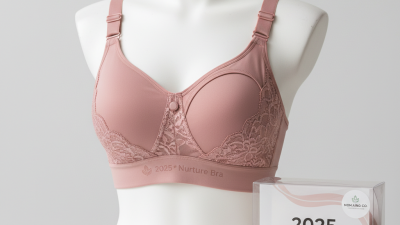
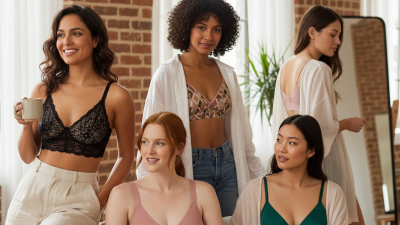
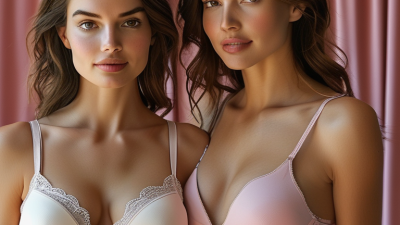
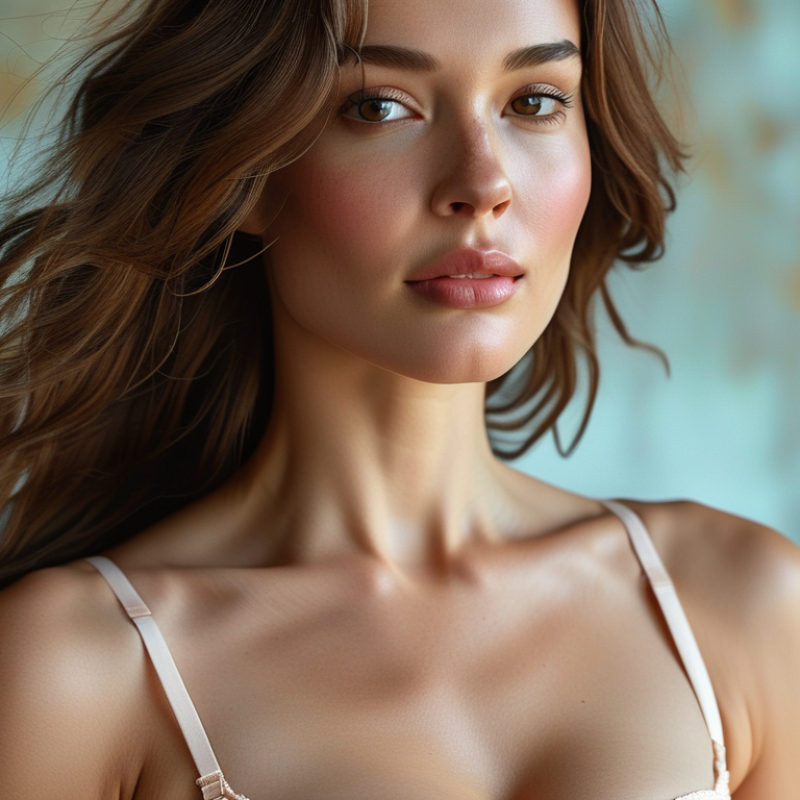
A bralette is a lightweight, unstructured type of bra. They are typically wire-free and lack heavy padding. Many people choose bralettes for comfort and ease. They provide a relaxed fit, making them ideal for various outfits. These undergarments often feature lace or soft fabric, catering to different style preferences.
When selecting a bralette, consider your body type and personal style. Look for a design that compliments your silhouette. Pay attention to sizing, as bralettes can fit differently than traditional bras. Some may find that sizing up provides a better fit. Others might prefer a snugger feel for more support.
Bralettes are versatile but may not suit every occasion. They work well under loose attire but might lack the support needed for high-impact activities. Some individuals express frustration finding a bralette that fits well. It's essential to try different styles to see what works. Remember, comfort should always be a priority.
Different Types of Bralettes: Which One Suits You?
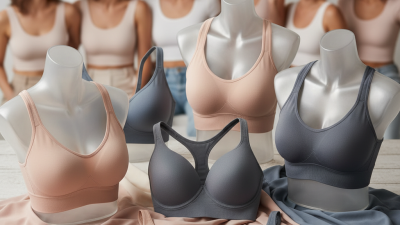
Bralettes come in various types,
each designed to suit different preferences and body shapes. The most common styles include
lace bralettes,
sports bralettes, and
bandeau bralettes.
Lace bralettes are both feminine and stylish. They often feature
intricate designs that can peek out from under tops.
Sports bralettes offer support during physical activities.
They are usually made from moisture-wicking materials to keep you comfortable.
Bandeau bralettes provide a simple, strapless option that
works well under off-shoulder outfits.
Choosing the right bralette is essential for both comfort and style. Consider your body type and
what you want the bralette to achieve.
Lace bralettes may not provide enough support for larger busts.
In contrast, a well-fitted sports bralette can be ideal for high-impact activities. It's also important
to pay attention to sizing. Many bralettes come in sizes that can feel less forgiving than traditional bras.
Trying on different styles can help you find the perfect match.
Don't hesitate to explore beyond your comfort zone.
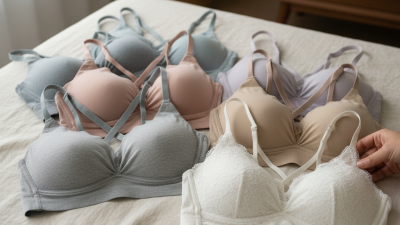
Experiment with different colors and textures to find what suits you best.
Key Features to Look for When Choosing a Bralette
When choosing a bralette, comfort should be your priority. Look for soft fabrics that feel good against your skin. Materials like cotton or modal offer breathability, which is essential for all-day wear. Ensure the design has no irritating seams or tags that can cause discomfort.
Support is another crucial feature. While bralettes are typically less structured than traditional bras, some offer built-in support. Thin elastic bands can be effective, but ensure they are not too tight. A wider band along the bottom can help with stability.
Another tip is to check the size carefully. Bralettes come in various sizing systems, from small to large. Some may not have cup sizes, making it tricky to find your fit. Don’t hesitate to try them on or refer to size charts. Remember, it’s okay to feel uncertain about the right fit. Reflecting on comfort and support will guide your choice. Always give yourself room to explore different styles, as each bralette can offer a unique feel.
How to Measure for the Perfect Bralette Fit
Finding the right bralette starts with accurate measurements. To ensure a proper fit, you need to know your band and cup size. Use a soft measuring tape to get a snug measurement around your ribcage, just below your bust. Make a note of this measurement. Then, measure around the fullest part of your bust. Subtract the band size from this measurement to determine your cup size. Remember, these numbers can vary, so adjusting for comfort is crucial.
When selecting a bralette, consider the style and material. Lace, cotton, or a blend can change how it feels against your skin. A good bralette should provide support without constraining you. Don't skip trying it on, as every brand has a different cut. Pay attention to how straps sit and if they dig in. Sometimes, it takes a few tries before finding the ideal one. Reflect on your preferences for both style and function; this will guide your choices.
What is a Bralette and How to Choose the Right One? - How to Measure for the Perfect Bralette Fit
| Bralette Type |
Best For |
Cup Size Compatibility |
Material |
Key Features |
| Lace Bralette |
Casual wear, layering |
A to C cup |
Cotton, lace |
Delicate design, breathable |
| Sports Bralette |
Athletic activities |
B to D cup |
Polyester, spandex |
Supportive, moisture-wicking |
| Wireless Bralette |
Everyday comfort |
A to D cup |
Cotton, modal |
Flexible fit, no padding |
| Padded Bralette |
Enhancing shape |
A to C cup |
Polyester, cotton |
Light padding, stylish |
| Cotton Bralette |
Sensitive skin |
A to C cup |
100% cotton |
Soft, hypoallergenic |
Styling Tips: How to Wear a Bralette Effectively
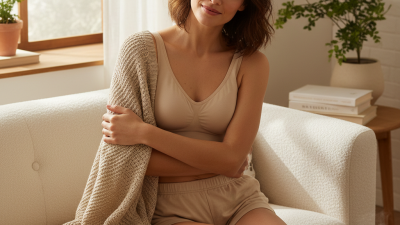
Choosing the right way to wear a bralette can enhance your overall look and comfort. Many people struggle with styling this versatile piece. The key is to consider the occasion and outfit. A bralette can be worn under a sheer top for a daring style, or paired with a loose-fitting shirt for a relaxed vibe. Experimenting with layers often leads to great results.
Paying attention to fabric and fit is crucial. For summer, lightweight materials work best. During colder months, opt for thicker fabrics that offer warmth. A well-fitting bralette provides support without compromising comfort. Sizing can be tricky; it’s helpful to try on different styles before making a decision. Not every bralette will suit every body shape.
Accessorizing your bralette is another effective way to elevate your outfit. Adding a statement necklace draws attention upward. A high-waisted bottom can balance the look, creating an elegant silhouette. Yet, don’t be afraid to mix and match. Sometimes, the combination may not work, but that’s part of the discovery process. Embrace the journey of finding what feels best for you.