Leave Your Message
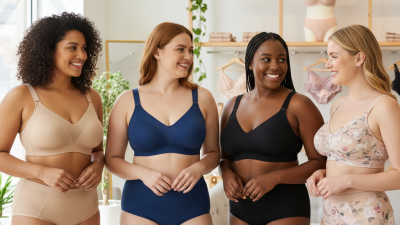
Comfortable Wireless Bras have become a practical choice for shoppers seeking gentle support, flexible movement, and fewer pressure points. For wholesale buyers, comfort is only part of the decision. Fabric recovery, seam placement, band stability, and consistent sizing all affect how a bra performs after repeated wear. A soft fabric swatch may feel promising, yet still lose shape after washing. That detail deserves a closer look.
Bra-fitting specialist Susan Nethero has emphasized that proper fit matters more than relying on a size label alone. “Comfort begins with fit, not the label.” This short line expresses a useful buying principle, though buyers should verify fit through their own sampling and wear tests.
China offers a broad supplier base, but supplier claims need careful checking. Request samples in multiple sizes. Examine the underband, stitching, strap adjusters, and fabric recovery under gentle tension. Ask for clear information about minimum order quantities, customization options, lead times, and quality-control procedures. Confirm that sample specifications match the details in the production order. Small differences can matter.
Real wear reveals more. Test samples during sitting, walking, and a full day of use. Check whether the band rolls, straps slip, or seams rub. Comfort varies between bodies, so one wearer’s positive review is not enough. Gather feedback across sizes and keep a written record of changes. This guide compares suppliers with those practical checks in mind, while recognizing one limitation: online descriptions cannot replace hands-on testing. A careful buyer makes the final judgment.
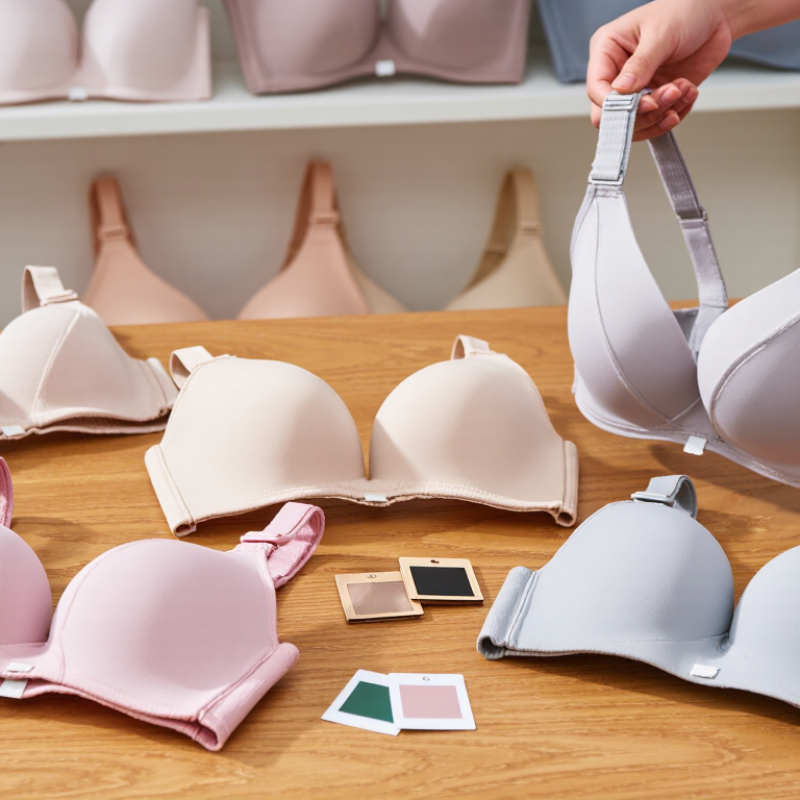
A comfortable wireless bra distributes support without creating sharp pressure under the bust or across the shoulders. For wholesale buyers, inspect the band, cup shape, and strap placement together; softness alone does not guarantee a good fit. A stable underband should lie flat when the wearer moves, while the cups should avoid digging in or collapsing. Small details matter. Smooth seams, covered elastic, and adjustable straps can reduce rubbing during a full day of wear. Knit panels or discreet internal slings may add support without an underwire, but their effect can vary by size and design.
Comfort is not perfectly objective. A sample that feels gentle in one size may pull or shift in another, so assess graded samples across the intended size range. Check fabric recovery after stretching, then inspect the bra after repeated washing for loose stitching, warped cups, or a relaxed band. Ask suppliers how they control fabric consistency and sewing tolerances between production runs. Wear tests with people who have different body shapes can reveal issues a fit model may miss. One limitation: a short fitting cannot predict all-day comfort. Record feedback on strap pressure, heat, and movement, and use it to refine samples before confirming a wholesale order.
Practical product and supplier evaluation benchmarks for wholesale buyers. Specifications vary by design, materials, size range, and testing requirements; confirm final tolerances and test methods with each supplier.
| Evaluation dimension | Comfort-focused specification or benchmark | Why it matters to wholesale buyers | What to verify with a supplier |
|---|---|---|---|
| Underwire-free support | Support may come from a shaped cup, supportive underband, side panels, and suitable fabric recovery rather than a rigid wire. | A well-balanced construction can reduce pressure points while providing everyday support. | Request samples in multiple sizes and assess lift, stability, and comfort during movement. |
| Fabric composition | Common blends include nylon or polyester with elastane; cotton-rich options are also used for different hand-feel and breathability preferences. | Fiber choice affects stretch, softness, drying behavior, appearance, and care requirements. | Confirm the exact fiber percentages, fabric weight, colorfastness requirements, and care-label instructions. |
| Stretch and recovery | The fabric and band should stretch for easy wear and recover sufficiently to help maintain fit after repeated use. | Poor recovery can lead to a loose band and inconsistent support; excessive compression can feel restrictive. | Agree on a stretch-and-recovery test method and acceptance limits before bulk production. |
| Band and elastic finish | A broad, smooth underband and soft elastic edges can help distribute pressure; the band should stay level without digging in. | The band contributes substantially to bra stability and is a frequent source of fit complaints. | Check edge finishing, seam bulk, band roll-up, and fit across the intended size range. |
| Straps and adjustability | Adjustable straps and securely attached hardware allow wearers to refine fit; wider straps may be appropriate for designs intended for greater support. | Adjustability helps accommodate differences in torso and shoulder proportions. | Inspect adjuster movement, attachment strength, strap slippage, and hardware finish. |
| Cup shape and coverage | Cup depth, coverage, lining, and side support should match the intended fit profile and target customer. | Cup mismatch can cause gaping, spillage, or uneven appearance even when the band fits correctly. | Review a graded size set, fit comments, and approved measurement charts before confirming the order. |
| Seams and skin contact | Flat, smooth seams and soft internal finishes can reduce rubbing; bonded or seamless constructions may suit some product concepts. | Seam placement and finish affect comfort during long wear and under fitted clothing. | Check seam allowance, thread ends, labels, and pressure points in wear trials. |
| Size range and grading | A size chart should define garment measurements and grading rules for every offered size; sizing systems should be clearly identified. | Clear, consistent grading supports fit reliability and reduces avoidable returns. | Approve a measurement specification, tolerance policy, and fit samples at representative size points. |
| Durability and care | Materials and construction should be evaluated for laundering, color change, seam integrity, and elastic performance under the stated care instructions. | Durability influences customer satisfaction and product consistency across replenishment orders. | Request relevant test reports or conduct agreed wash and wear checks on production-representative samples. |
| Wholesale quality control | A documented inspection plan should cover measurements, workmanship, shade consistency, labeling, and packaging. | Defined checks make bulk orders more predictable and help identify defects before shipment. | Agree on inspection criteria, sampling approach, defect classifications, and corrective-action steps. |
| Sampling and production readiness | The approved pre-production sample should match the agreed materials, construction, color, measurements, and labeling details. | A clear approval process helps limit differences between samples and delivered goods. | Confirm sample stages, revision records, production lead time, minimum order quantity, and packaging requirements in writing. |
Buyer note: Comfort is wearer- and fit-dependent. Validate design, grading, materials, and performance with representative samples before placing a wholesale order.