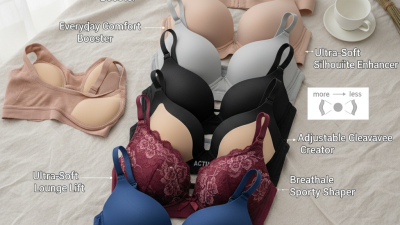
Choosing the right nursing bras for breastfeeding is crucial for new mothers seeking comfort and support during this transformative time. With the demands of breastfeeding, women need bras that not only accommodate their changing bodies but also provide easy access for feeding. Nursing bras for breastfeeding are designed to combine functionality with comfort, which is essential for both the mother and the baby.
As lactation progresses, it becomes increasingly important to select a nursing bra that offers the right support without compromising on style. The market offers a variety of options, each with unique features that cater to different preferences and needs. Whether it’s a wire-free style for everyday comfort or a structured design for added support, understanding the key elements that contribute to a good nursing bra can make all the difference in a breastfeeding journey.
In this guide, we will explore the essential factors to consider when choosing nursing bras for breastfeeding, ensuring that breastfeeding mothers feel supported and at ease while nurturing their little ones. From fabric choices to fit and accessibility, this comprehensive overview will equip you with the knowledge needed to make an informed decision that prioritizes comfort and a seamless breastfeeding experience.
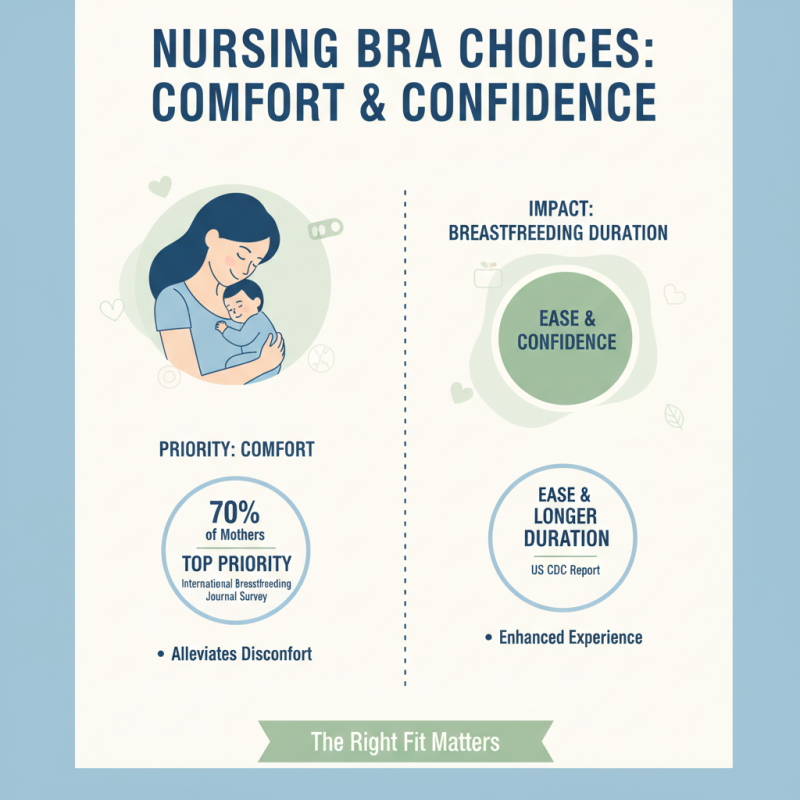
When choosing the best nursing bras for breastfeeding, understanding the individual needs and preferences of nursing mothers is essential. According to a survey conducted by the International Breastfeeding Journal, approximately 70% of mothers express that comfort is their top priority when selecting nursing bras. The right fit not only alleviates discomfort but also enhances the overall breastfeeding experience, allowing mothers to feed their babies with ease and confidence. This sense of comfort can significantly impact breastfeeding duration, as highlighted in a report by the US Centers for Disease Control and Prevention, which found that mothers who are physically comfortable are more likely to continue breastfeeding beyond the initial weeks.
In addition to comfort, support is a crucial factor that mothers should consider. Research published in the Journal of Human Lactation indicated that around 60% of breastfeeding mothers reported back pain during their nursing journey, often linked to inadequate support from their bras. A well-constructed nursing bra should provide the necessary support to alleviate physical strain while offering easy access for feeding. Features such as adjustable straps and a flexible band can further enhance support, catering to the changing body of a postpartum mother. Ultimately, acknowledging these breastfeeding needs and preferences is vital in selecting a nursing bra that encourages a positive, nurturing experience for both mother and child.
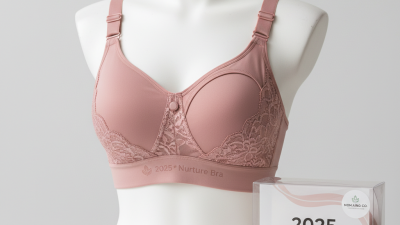
When selecting the best nursing bras for breastfeeding comfort and support, understanding the key features that enhance both functionality and comfort is essential. A study by the International Breastfeeding Journal indicates that 75% of breastfeeding mothers report that the right nursing bra significantly improves their breastfeeding experience. Key features to look for include adjustable straps and the ability to easily unclip for nursing, which help accommodate changes in breast size and make feeding more convenient.
Another crucial factor is the material used in nursing bras. According to research from the American Academy of Pediatrics, breathable fabrics such as cotton and modal not only provide comfort but also reduce the risk of skin irritation and infections, which are crucial during the postpartum period. Additionally, the support structure of the bra, including wider bands and underwire-less designs, can help alleviate back pain often experienced by nursing mothers. A well-fitted nursing bra can reduce discomfort and allow mothers to focus on their newborns rather than on their own physical discomfort.
When selecting the ideal nursing bra, the variety of styles and designs available can be overwhelming. According to a study published by the American Journal of Clinical Nutrition, comfort and support are key factors that affect the breastfeeding experience for mothers. A well-designed nursing bra should feature easy-to-use clasps and adjustable straps that provide convenience during feeding while also accommodating the fluctuating breast size typically experienced in the postpartum period.
Different designs can cater to various preferences; for example, some mothers may prefer a structured underwire bra for additional support, while others may opt for a soft-cup style for comfort. Research from the International Breastfeeding Journal highlights the importance of a proper fit, noting that up to 70% of women wear the wrong size in traditional bras, which can lead to physical discomfort and hinder their breastfeeding journey.
Therefore, proper fitting and understanding the unique features of nursing bra styles—notably their clip designs and fabric choices—are essential considerations for ensuring both comfort and effective breastfeeding support.
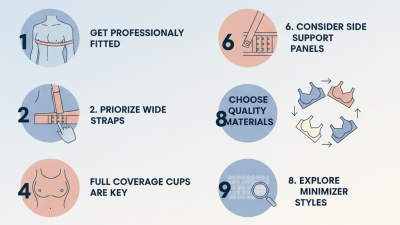
Choosing the right size for your nursing bra is essential for both comfort and support during breastfeeding. As your body changes throughout pregnancy and postpartum, it’s crucial to measure yourself accurately to find the perfect fit. Start by measuring your band size, which is the circumference just under your bust. Then, measure your bust size by wrapping the measuring tape around the fullest part of your breasts. The difference between these two measurements will help you determine your cup size.
Keep in mind that nursing bras are designed to accommodate fluctuations in breast size, so it’s not uncommon to require different sizes throughout your breastfeeding journey. Look for bras with adjustable straps and back closures, which can provide a more customizable fit. Additionally, a bra with stretchy fabric can ensure that you maintain comfort as your body adjusts. Properly fitted nursing bras not only enhance your breastfeeding experience but also help to prevent issues such as engorgement or discomfort, ensuring that both you and your baby can enjoy this special time together.
Maintaining nursing bras in good condition is crucial for both longevity and hygiene, especially since these garments play a vital role in supporting breastfeeding mothers. According to a survey conducted by the International Breastfeeding Journal, over 90% of mothers reported that comfort is a priority when selecting nursing bras. However, without proper care, even the most comfortable bras can quickly lose their shape and support. Regular washing is essential; many experts recommend hand washing in cold water and air drying to preserve the elasticity and fabric integrity, which can extend the lifespan of nursing bras significantly.
Hygiene is another essential aspect that cannot be overlooked. The American College of Obstetricians and Gynecologists suggests that nursing bras should be cleaned frequently to prevent the buildup of bacteria and odor. As breastfeeding can be messy, with leaks and spills being common, it is ideal to have several bras on hand to rotate through the laundry. Ideally, nursing bras should be replaced every 6 to 12 months, depending on usage and wear. By following these maintenance practices, mothers can ensure their nursing bras provide the necessary comfort and support throughout their breastfeeding journey.
| Feature | Importance | Maintenance Tips |
|---|---|---|
| Fabric | Moisture-wicking and breathable fabrics keep you comfortable. | Wash in cold water and air dry to maintain fabric integrity. |
| Support Level | Provides necessary support to prevent discomfort during breastfeeding. | Regularly adjust straps and clasps to ensure proper fit. |
| Cup Design | Allows for easy access while breastfeeding. | Check for wear and tear; replace if fasteners are damaged. |
| Size Flexibility | Ability to adapt to changing breast size during breastfeeding. | Use extenders initially but replace bras as size changes significantly. |
| Underwire vs. Wireless | Preference depends on comfort; underwire offers more support but may restrict movement. | Ensure underwire is not digging in; consider wireless options for more comfort. |