How to Choose the Best Plus Size Nursing Bras for Comfort?
Choosing the right nursing bra is essential for new mothers, especially for those needing Plus Size Nursing Bras. Comfort is a priority during this time. An ill-fitting bra can cause discomfort, leading to distractions from caring for a newborn. Yet, there are options designed specifically to meet the needs of plus-size mothers.
Understanding your requirements is crucial. Every woman's body is unique, and finding the perfect fit can be challenging. Plus Size Nursing Bras should offer both support and functionality while allowing for easy breastfeeding access. Fabrics, strap widths, and cup designs contribute to the overall comfort.
Considerations like adjustability and coverage matter too. Some bras may lack adequate support for larger sizes, which can lead to back pain. Reflect on your daily activities when choosing. A little trial and error is sometimes necessary to find the best fit. Remember, the journey to finding the right nursing bra may take time, but the comfort it brings is worth the effort.
Understanding Plus Size Nursing Bras and Their Importance
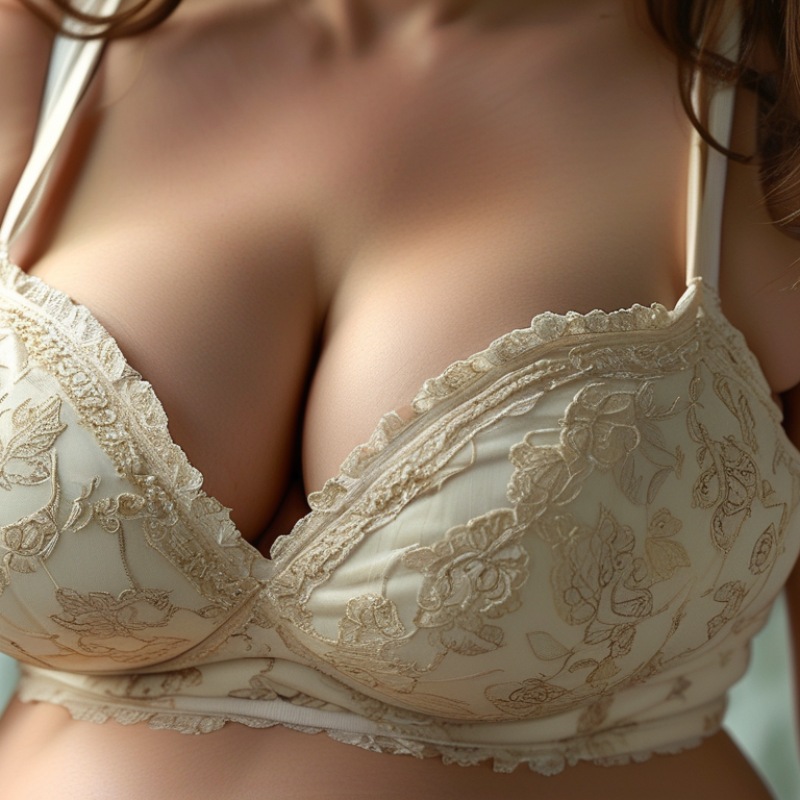
Understanding plus size nursing bras is essential for comfort during breastfeeding. These bras provide both support and accessibility. It is crucial for nursing mothers to prioritize comfort, especially considering the changes in their bodies post-pregnancy. A well-fitted nursing bra can make a significant difference in daily routines.
Tips for choosing the right nursing bra:
- Getting the correct measurement. Your size may change during pregnancy and after childbirth.
- A bra should fit snugly but not too tight.
- Look for styles with adjustable straps and a good amount of stretch. These features allow for growth and enhance comfort.
Don’t forget about fabric choice. Opt for breathable materials that offer support without irritation. Cotton blends are often recommended for their softness. However, some may have an allergy to certain fabrics, making it necessary to test before commitment. Your comfort is paramount; it may take a few tries to find the perfect fit.
Key Features to Look for in Comfort-Focused Nursing Bras
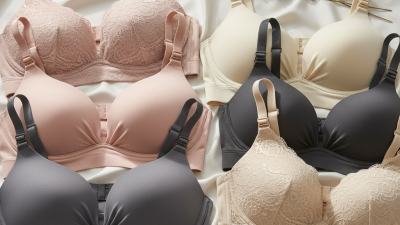
When choosing a plus-size nursing bra, comfort is crucial. Look for bras made of soft fabrics that feel gentle against the skin. A breathable material helps prevent irritation during long hours of wear. Adjustable straps provide a custom fit, important for fluctuating body shapes. Many moms prefer wider straps for added support.
Cup design matters. Contoured cups can provide coverage and help with milk leakage. A seamless design reduces chafing and enhances comfort. Supportive underbands also play a key role. They should be snug yet not restrictive. Opt for bras with a nursing clip feature for easy access during feedings. Make sure the clips are easy to handle with one hand.
Consider size flexibility. Look for bras that accommodate changes in breast size during nursing. Some styles offer stretchy materials that adapt to your body. However, check the fit regularly. Comfort can change over time, and a bra that was once perfect may need replacing. Remember, every mother's body responds differently, making it essential to find what works best for you.
How to Choose the Best Plus Size Nursing Bras for Comfort? - Key Features to Look for in Comfort-Focused Nursing Bras
| Feature |
Description |
| Comfortable Fabric |
Soft, breathable materials like cotton or bamboo that provide all-day comfort. |
| Adjustable Straps |
Straps that can be easily adjusted to fit personal preferences and provide optimal support. |
| Easy Nursing Access |
Features like clip-down or pull-aside panels for quick and easy breastfeeding. |
| Supportive Structure |
Underwire or wireless options that provide support without compromising comfort. |
| Size Range |
A wide range of sizes to accommodate different body types and ensure a good fit. |
| Breathable Panels |
Mesh or other breathable materials to ensure airflow and reduce sweat. |
| Style Options |
Various styles including bralettes, full coverage, and plunge designs to suit personal preferences. |
Sizing and Fit: Finding the Right Plus Size Nursing Bra
Finding the right plus size nursing bra is essential for comfort and support during breastfeeding. A study by the International Journal of Nursing Studies found that 70% of nursing mothers experience discomfort due to improper sizing. Many women underestimate their size, leading to ill-fitting bras that can hinder their breastfeeding experience.
When selecting a nursing bra, pay close attention to both the band size and cup size. Remember that body changes occur frequently during this period, with sizing fluctuating. The correct fit should allow for two fingers to fit comfortably under the band without digging in. A well-fitted bra will distribute weight evenly, reducing strain on the back.
It’s also crucial to consider the design features. Look for bras with adjustable straps and wider bands for added support. Nursing bras with soft, stretchy fabric can enhance comfort. According to a recent survey by Lactation Consultants of Great Britain, 80% of mothers preferred bras that offered easy access for breastfeeding while maintaining a good fit. Balancing convenience and comfort remains a challenge for many, making the right choice difficult.
Materials and Design: Enhancing Comfort for Nursing Mothers
Choosing the right nursing bra is crucial for comfort, especially in plus sizes. The materials used can significantly affect how a nursing bra feels throughout the day. Cotton, for instance, is breathable and soft, making it a popular choice. According to a survey by the American Nursing Moms Association, 75% of mothers prefer bras made from natural fibers. This preference highlights the importance of choosing breathable materials.
The design elements of a nursing bra can also enhance comfort. Features like wide straps and adjustable bands help distribute weight evenly. A study indicated that over 65% of nursing mothers report discomfort due to poor fit or lack of support. This discomfort can be aggravated by insufficient coverage, especially in larger sizes. Therefore, opting for a bra with a can provide better support.
Another factor to consider is the accessibility of the nursing bra. Clips or pull-aside features are beneficial for quick feeds. However, many bras with these features may not provide the same level of comfort overall. The balance between functionality and comfort can be tricky to navigate. Often, mothers find themselves compromising one for the other. Reflecting on these aspects can lead to informed choices when selecting a nursing bra that serves both comfort and practicality.
Care and Maintenance Tips for Plus Size Nursing Bras
Caring for plus size nursing bras is crucial for comfort and longevity. Regular washing protects your investment. Always use a gentle cycle and cold water. This helps maintain the elasticity of the fabric. Air drying is preferred. Avoid the dryer, as heat can damage and shrink your bras.
Be mindful of how you store your nursing bras. Lay them flat to prevent distortion. Hanging can stretch the straps. Check for any signs of wear, like stretched bands or frayed edges. Wear and tear can happen faster than expected. It’s essential to recognize when bras need replacement.
Experiment with different styles to find what works best for you. Some might prefer underwire support, while others may opt for wireless options. Comfort varies, and that's okay. Listen to your body and prioritize your needs. Finding the right bra is an ongoing journey.