How to Choose the Best Maternity and Nursing Bra?
Choosing the right Maternity and Nursing Bra is crucial for comfort and support during pregnancy and breastfeeding. Studies show that about 80% of women wear the wrong bra size, highlighting the importance of proper fittings. Expert Dr. Emma Carter emphasizes, “A well-fitted bra can make a world of difference for expectant and nursing mothers.”
Choosing a Maternity and Nursing Bra involves more than just size. You need to consider fabric, design, and convenience. Comfort is paramount; many women experience breast sensitivity and back pain. A well-structured bra can alleviate some discomfort while providing necessary support.
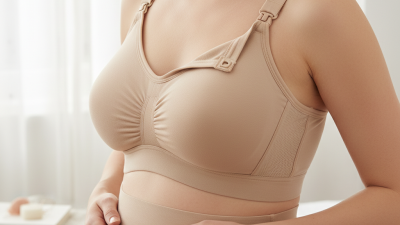
Many bras are now designed with easy access for nursing. This functionality is critical for new mothers. However, not all bras meet this standard. Women must assess their needs and seek bras that adapt to their changing bodies. The right Maternity and Nursing Bra is a blend of functionality and comfort, requiring careful thought and sometimes trial and error.
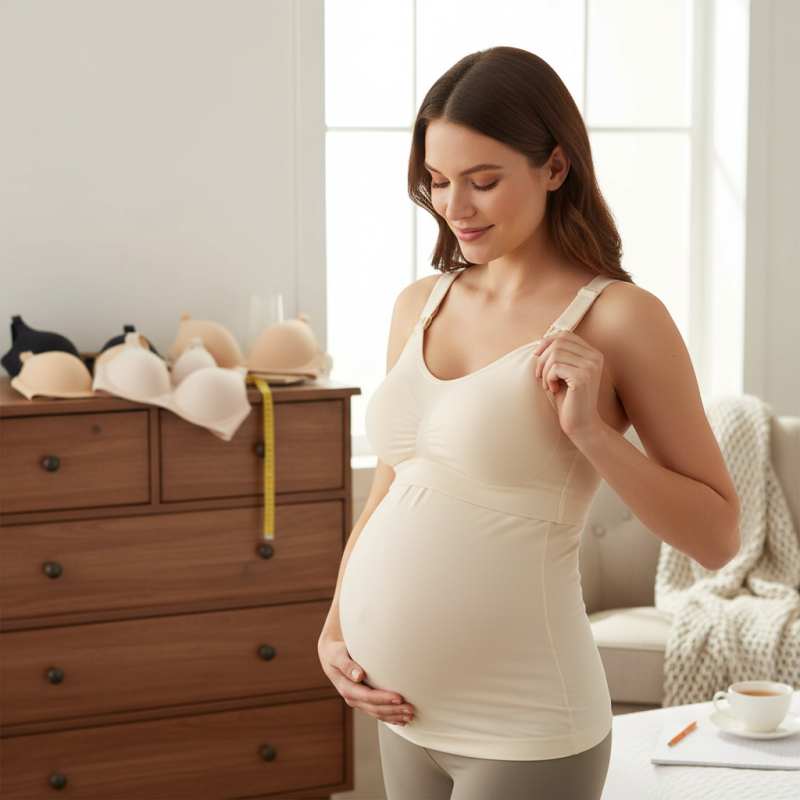
Understanding the Importance of Maternity and Nursing Bras
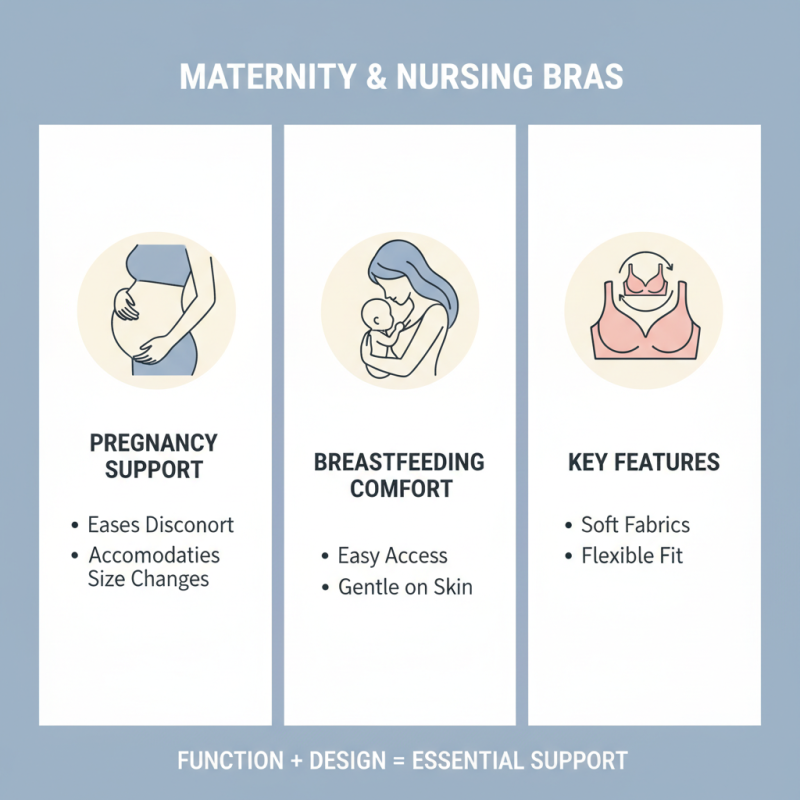
Maternity and nursing bras play a pivotal role during pregnancy and breastfeeding. They offer support and comfort as your body changes. The right fit can ease discomfort. These bras are designed with features that accommodate fluctuating sizes. Soft fabrics ensure a gentle touch against sensitive skin. It's essential to prioritize both function and design in your choice.
Choosing the right maternity bra can be overwhelming. Many women buy the first one they see, often regretting it later. It’s vital to consider features like adjustable straps and nursing clips. These make breastfeeding more manageable. Yet, many overlook how their needs evolve. Reflecting on your daily routine is crucial. Some might prefer wire-free options, while others seek more structure.
The importance of these bras goes beyond mere comfort. They provide confidence during a vulnerable time. However, finding what works for you can be a trial-and-error process. You may find that one style excels while another falls flat. This journey is personal and often requires patience. Embrace the process; each choice brings you closer to what feels right for your body.
Key Features to Look for in Maternity and Nursing Bras
When choosing a maternity and nursing bra, consider essential features that enhance comfort and practicality. Fabric is vital. Look for soft, breathable materials that provide flexibility. Cotton blends are popular for their softness. Stretchy fabric allows for growth and easy adjustments.
Support is another key factor. Opt for bras with wider straps and a supportive band under the bust. This minimizes pressure points, especially during the final months of pregnancy. A well-fitted cup will contour to your shape, ensuring a secure fit.
Tips: Don’t rush the sizing process. Your body changes often, especially in pregnancy. Regularly reassess your fit. Try different styles to see what works best for you. It’s okay if you can’t find the perfect one right away. Each person's needs vary.
Distribution of Key Features in Maternity and Nursing Bras
Different Types of Maternity and Nursing Bras Available
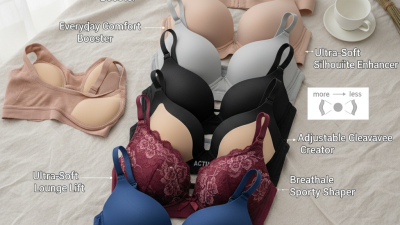
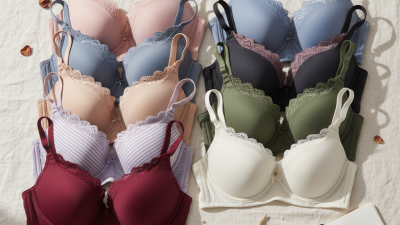
When selecting a maternity and nursing bra, it's essential to consider the different types available. Some bras are designed for comfort during pregnancy, while others focus on nursing convenience. For instance, a wire-free bra can provide gentle support without digging into your skin. Many women prefer this option for everyday wear. They tend to be made from soft fabrics that accommodate changing body shapes.
Nursing bras are often equipped with clips or panels for easy access during feeding. These features can be very practical. There are also sports nursing bras designed for active mothers. These bras offer higher support levels while still allowing for nursing. However, not every style will fit all body types. Trying different options is crucial to find the best fit.
Additionally, some bras may lack adequate support, which can be uncomfortable. It’s important to reflect on how a bra feels, especially over time. Some women choose to prioritize style, sacrificing comfort. This choice can lead to regret later on. Finding a balance between aesthetics and functionality is essential for both maternity and nursing bras.
How to Choose the Best Maternity and Nursing Bra? - Different Types of Maternity and Nursing Bras Available
| Bra Type |
Features |
Best For |
Sizing Tips |
| Underwire Nursing Bra |
Offers support and shape, easy drop cups |
Women seeking a structured look |
Choose a size that accommodates your changing body |
| Wireless Nursing Bra |
Comfortable and soft, provides moderate support |
Casual wear and day-to-day comfort |
Look for adjustable straps and stretchable bands |
| Sports Nursing Bra |
High support for active use, moisture-wicking fabric |
Exercise and physical activities |
Make sure it fits snugly but allows movement |
| Sleep Nursing Bra |
Soft, no-fuss design for nighttime wear |
Comfort during sleep and nighttime feeding |
Choose a size that is slightly larger for comfort |
| Maternity Tank Bra |
Multipurpose with built-in bra, casual style |
Layering and casual outings |
Look for stretchy materials and adjustable straps |
How to Measure for the Perfect Fit in Maternity Bras
Choosing the right maternity and nursing bra is crucial for comfort. Many expectant mothers struggle to find the perfect fit. Research shows that nearly 80% of women wear the wrong bra size, often leading to discomfort. Understanding how to measure for an ideal fit can significantly enhance a woman's experience during pregnancy.
To measure for a maternity bra, begin with a soft measuring tape. Wrap it around your ribcage, just beneath your bust. Note the measurement in inches. Then, measure the fullest part of your bust while standing upright. Subtract the ribcage measurement from the bust measurement. This difference determines your cup size. A difference of one inch usually indicates an A cup, two inches a B cup, and so forth.
Pregnancy introduces changes that may affect breast size. Many women see fluctuations throughout their journey. It’s often recommended to remeasure every month. Some might feel overwhelmed by this process. A simple mistake in measuring can lead to pain or inadequate support. Ensuring you have the right fit is essential for overall well-being during this transformative time. Many women find this process both important and challenging, yet it is worth the effort.
Caring for Your Maternity and Nursing Bras to Ensure Longevity
Taking care of your maternity and nursing bras is essential for their longevity. These bras undergo significant stretching and changes during this period. Proper cleaning can help maintain their shape and support. Avoid washing them with harsh detergents that can deteriorate the fabric. Cold water and gentle cycles are your best friends.
Tips: Hand washing is always better than machine washing. It can help the bra keep its structure longer. Lay them flat to dry, instead of hanging them up. Hangers can cause stretching. Rotate between multiple bras to reduce wear and tear on a single piece.
Monitor for signs of wear. If the elastic feels loose or the fabric starts to pill, it might be time for a replacement. When adjusting to your breastfeeding needs, a well-fitting bra can make a huge difference. Remember, it's okay to feel overwhelmed by these changes. Prioritize comfort and support, even if it takes some trial and error.