How to Choose the Best Supportive Maternity Bra for You?
Choosing the right Supportive Maternity Bra can feel overwhelming for expecting mothers. With so many options on the market, how do you find the best fit for comfort and support? Dr. Sarah Thompson, a leading expert in maternity wear, once stated, "A good maternity bra can make all the difference in how a woman feels during pregnancy." This highlights the importance of selecting the appropriate bra for this crucial time.
Supportive Maternity Bras are designed to adapt to changing bodies. They should provide ample support to reduce discomfort. As your body undergoes changes, look for features like adjustable straps and breathable fabrics. Many women struggle with sizing during pregnancy. It's common to need a different size as your body expands. Consider getting fitted multiple times during this period.
Finding your ideal Supportive Maternity Bra also means considering how it fits into your daily life. If you are active, you may require a sports style for added support. For work, a seamless design might be preferable. Remember, not every bra will work for everyone. Take your time to explore options that cater to your specific needs. Your comfort is essential during this journey.
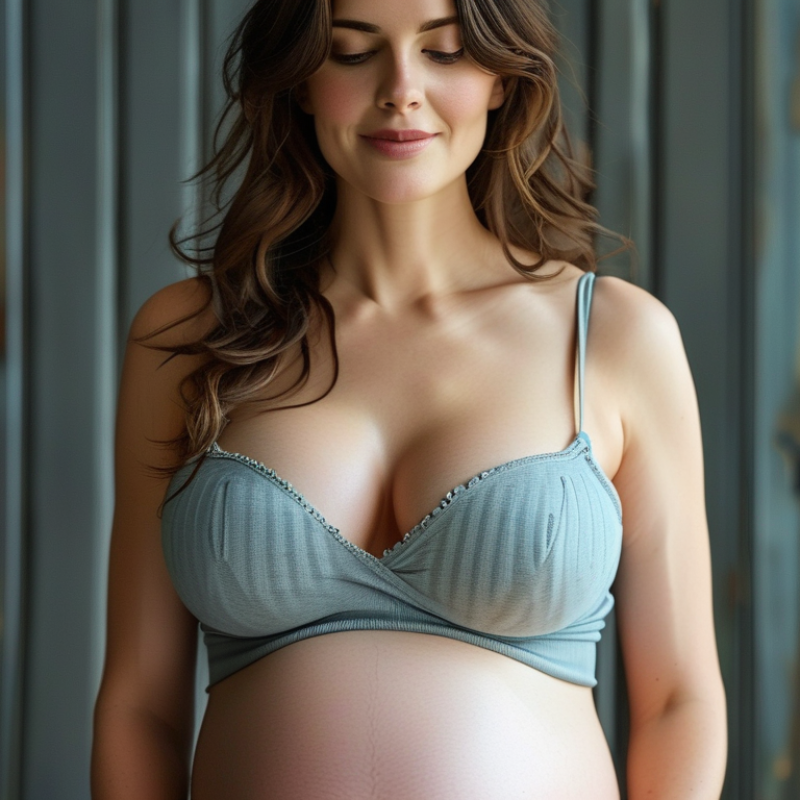
Understanding the Importance of a Supportive Maternity Bra During Pregnancy
During pregnancy, a woman's body goes through significant changes. These changes include weight gain, hormonal shifts, and breast size fluctuations. A supportive maternity bra plays a crucial role in this journey. It helps alleviate discomfort, provides the necessary support, and promotes better posture. The right bra can make daily activities easier, giving comfort as the body adjusts.
Choosing a maternity bra is not a straightforward task. Many women overlook fit and style when selecting one. A bra that feels supportive in the store may not offer the same comfort hours later. It's essential to try on various styles and sizes. Remember, every woman's body is unique. Look for features like adjustable straps and wider bands for a personalized fit.
Many women also struggle with how often to replace their bras during pregnancy. Frequent changes in size can lead to poor support if the bra is not current. Listen to your body. If you feel discomfort or tightness, it may be time for a new bra. Reflecting on these aspects can be helpful in finding a supportive maternity bra that enhances your pregnancy experience.
Identifying Key Features of a Quality Maternity Bra for Optimal Support
Choosing the right maternity bra is crucial. A supportive maternity bra can prevent discomfort and back pain. Look for adjustable straps. They should offer flexibility for changing body shapes. A wide underband can provide added support and stability.
Breathable fabric is essential. It helps keep the skin dry and comfortable. Many women experience sensitivity during pregnancy. Soft materials reduce irritation and provide gentle support. Consider nursing-friendly options as well. These can make feeding easier, offering convenience and comfort.
Always measure your size correctly. Many women underestimate their needs during pregnancy. Regularly re-evaluate your fit. Ill-fitting bras can cause more harm than good. Pay attention to how the bra feels throughout the day. If it pinches or digs, it may be time to rethink your choice. Remember, every body is different. What works for one may not suit another. Embrace this journey and find what feels right for you.
Learning About Breast Changes During Pregnancy and Its Impact on Bra Fit
During pregnancy, your body undergoes significant changes, affecting both breast size and shape. Studies suggest that nearly 90% of pregnant individuals experience substantial breast growth. Understanding these changes is essential for selecting the right supportive maternity bra. During the first trimester, your breasts may increase by one or two sizes, and this growth continues throughout the pregnancy.
Choosing a bra that accommodates these changes is crucial. Look for bras with adjustable straps and a stretchy band. These features provide support and comfort as your body evolves. Opt for soft materials that prevent irritation. Remember, traditional sizing may not apply. It's often recommended to try on bras during late afternoon to accurately assess fit after daily swelling.
Tips: Always measure yourself regularly during pregnancy. Your size can fluctuate weekly. Invest in bras that offer front clasps. They can make nursing much easier once your baby arrives. Also, consider flexibility in your choice of fabrics. Cotton blends offer breathability and comfort. As you adjust to these changes, reflections on your previous choices can guide you towards a better fit.
Evaluating Popular Maternity Bra Brands: Reviews and Expert Recommendations
When it comes to finding a supportive maternity bra, exploring popular brands is essential. Many expectant mothers face the challenge of balancing comfort and support. Reviews often highlight specific features, like adjustable straps and wider bands. These elements contribute significantly to a better fit and overall comfort. Yet, not everyone appreciates the same design. Preferences can vary from person to person.
Expert recommendations emphasize the importance of material. Breathable fabrics can prevent irritation, especially during pregnancy. Look for bras that prioritize stretch without compromising support. Customer feedback often points out that padding can be both a blessing and a curse. While it adds shape, excessive padding can feel restrictive. It’s crucial to find a balance that suits individual needs.
Reading reviews is essential for informed decisions. While popular choices are often highlighted, what works for one may not work for all. Some bras may chafe or lose elasticity over time. It's wise to consider return policies as well. Many brands offer flexible exchanges, which is a benefit during this transitional phase. Always prioritize personal comfort and fit over trends or recommendations.
Measuring Techniques for the Perfect Fit: Ensuring Comfort and Support
Choosing the right maternity bra can significantly impact your comfort and support during pregnancy. Proper measurement is key to finding the perfect fit. According to industry research, 80% of women wear the wrong bra size. This can lead to discomfort and inadequate support. Use a soft measuring tape to capture accurate underbust and bust measurements.
Stand in front of a mirror while measuring. Make sure the tape is level and snug but not too tight. For the underbust, measure just beneath your breasts. For the bust measurement, measure around the fullest part of your breasts. This data helps determine both band and cup size. Remember that sizes can fluctuate during pregnancy, so it's wise to measure occasionally.
Tips: Consider your breast changes throughout pregnancy. Sizes may shift, so don't be surprised if you need to size up or down. Choosing bras with adjustable straps and back closures can offer better adaptability. It's also important to look for breathable fabrics to enhance comfort. Regularly reassess your fit, especially as your body changes during breastfeeding.
How to Choose the Best Supportive Maternity Bra for You? - Measuring Techniques for the Perfect Fit: Ensuring Comfort and Support
| Bra Type |
Key Features |
Sizing Tips |
Recommended Usage |
| Underwire Bra |
Supportive, lift enhancement, shaping |
Measure cup size when standing |
Daily wear for added support |
| Wireless Bra |
Comfortable, flexible fit, reduces pressure |
Measure under bust for band size |
Great for lounging and sleep |
| Nursing Bra |
Easy access for breastfeeding, soft fabric |
Opt for a size larger in the cup for growing needs |
Best for postpartum and breastfeeding |
| Sleep Bra |
No seams, soft materials, no underwire |
Use a measuring tape loosely for comfort |
Ideal for sleeping and relaxing |
| Sport Bra |
High impact support, moisture-wicking |
Ensure snug fit without pinching |
For exercise and active movement |