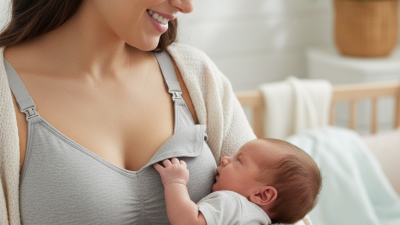
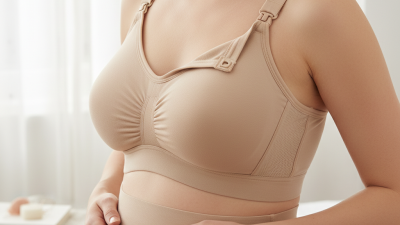
A Cotton Breastfeeding Bra is designed for feeding, movement, and sensitive skin. It usually combines breathable cotton fabric with drop-down cups, wide straps, and gentle support. Picture a midnight feed: one hand opens the nursing clasp while the other supports the baby. Small details matter then.
Market evidence supports this comfort-led direction. Grand View Research reports that the global maternity wear market is expanding as mothers seek practical, adaptable clothing. Cotton Incorporated’s Global Lifestyle Monitor also identifies softness, comfort, and breathability as major reasons consumers choose cotton clothing. These findings do not prove that cotton suits every mother. They show why fabric choice remains commercially and medically relevant.
Lactation consultant Nancy Mohrbacher, IBCLC, offers a useful fitting principle: “A nursing bra should be comfortable and supportive, but not restrictive.” That sentence deserves attention. Tight bands, rough seams, or rigid underwires may create pressure during long nursing sessions. However, cotton is not automatically perfect. Some cotton blends dry faster, hold shape better, and resist shrinkage more effectively than pure cotton. Personal fit still matters.
A well-chosen Cotton Breastfeeding Bra should sit smoothly beneath the breasts, leave room for normal changes, and open easily with one hand. It should feel supportive, not like a clamp. Mothers with pain, swelling, or recurring blocked ducts should seek qualified lactation or medical advice. Product claims also need careful checking. “Natural” does not always mean safer, softer, or more sustainable.
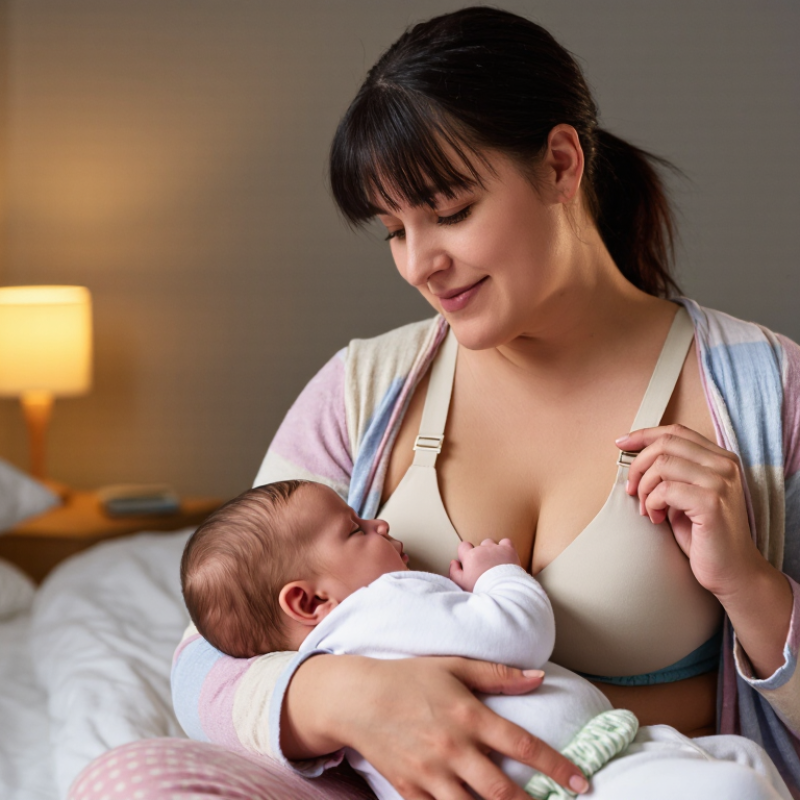
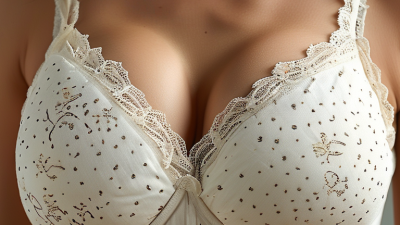
A cotton breastfeeding bra is a nursing bra made with cotton fabric, often blended with elastane for stretch and recovery. It usually includes drop-down cups, front clips, or pull-aside panels for one-handed feeding. The design exposes the breast without removing the entire bra. That matters during night feeds, clinic visits, and early postpartum days.
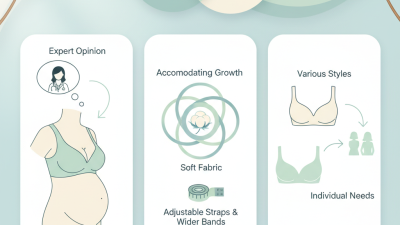
Cotton can feel familiar against sensitive skin and absorb small amounts of moisture. However, cotton is not automatically cooler, softer, or safer for everyone. A tight band, rough seam, or damp pad can still cause discomfort. Look for a wide underband, smooth stitching, adjustable straps, and removable nursing pads.
WHO and UNICEF reported that 48% of infants under six months received exclusive breastfeeding globally in 2023.
That figure shows why practical nursing clothing deserves attention, not just appearance. The CDC’s 2024 Breastfeeding Report Card also tracks breastfeeding initiation, duration, and support across the United States. These reports do not prove that cotton improves breastfeeding. They only reinforce the need for usable support.
Fit remains personal. Some mothers prefer cotton-rich fabric, while others need faster-drying blends. A bra that feels comfortable at noon may feel restrictive at midnight. Check it again.
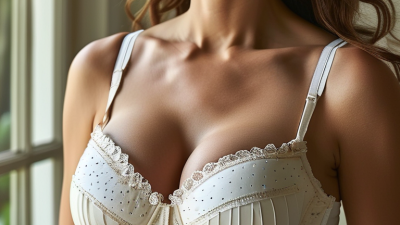
A cotton breastfeeding bra is built around comfort, access, and gentle support. Its main fabric usually combines breathable cotton with a small amount of stretch fiber. This helps the bra follow changing breast size during pregnancy and nursing. Soft, not flimsy. A useful design should feel smooth against sensitive skin, especially around the band and armholes.
Nursing access often comes from drop-down cups. Small clips release one cup with one hand, allowing easier feeding while holding a baby. The opening should expose enough of the breast without pulling the fabric across the baby’s face. Wide straps can reduce pressure on the shoulders, while a broader underband helps distribute weight. Some designs avoid underwire, which may feel more comfortable during early nursing. However, “wire-free” does not always mean supportive. The fabric structure, cup shape, and band fit still matter.
Flat seams can reduce rubbing beneath clothing, and breathable cotton may help manage warmth during long periods of sitting. In daily use, the bra should stay stable when bending, lifting, or nursing at night. Fit changes. That is easy to underestimate. A bra that fits well before feeding may feel tight when milk increases. Adjustable hooks and flexible panels provide useful room, but they cannot fix every sizing problem. Care instructions also affect performance; hot washing may shrink cotton or weaken elastic. Checking the fabric blend, closure strength, and cup recovery gives a more reliable view than softness alone.
A cotton breastfeeding bra combines a soft cotton fabric with nursing-focused construction, such as drop-down cups, flexible support, and easy one-handed access. Cotton is commonly valued for its natural moisture regain and comfortable hand feel.
Typical moisture regain at standard textile testing conditions
Cotton can regain about 8.5% of its dry weight in moisture, compared with approximately 0.4% for polyester, 4.5% for nylon, and 16% for wool. This property helps explain why cotton is often selected for the fabric layer that touches the skin. In a breastfeeding bra, cotton may be combined with elastane and supportive structures to improve stretch, recovery, fit, and nursing access.
Values are typical textile reference figures at approximately 20°C and 65% relative humidity; actual performance varies with yarn, fabric construction, blend, and finishing.
A cotton breastfeeding bra is designed for easy feeding and everyday comfort. It usually has drop-down cups, gentle support, and soft fabric against sensitive skin. Cotton feels breathable under loose shirts, especially during long nursing sessions. Less irritation can make feeding feel calmer.
Comfort matters, but fit matters more. A well-fitted bra should support the breasts without pressing deeply into them. Tight bands or cups may feel uncomfortable and can restrict normal movement. Adjustable straps help accommodate changing breast size. Nursing pads can also fit inside the cups and protect clothing from milk leakage.
Cotton absorbs moisture well. That is useful during warm nights or frequent feeds. However, it may stay damp longer than some performance fabrics. This detail is easy to overlook. Damp fabric can irritate skin, so changing the bra regularly is sensible. Wash it with mild detergent and let it dry fully before wearing it again.
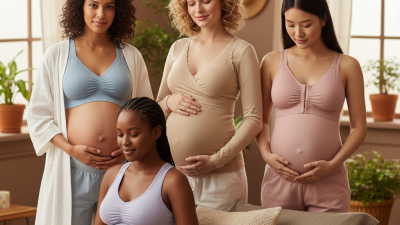
Not every mother prefers the same design. Some need stronger support, while others value a soft, wireless shape. Breast size can change throughout the day, so a perfect morning fit may feel different later. Checking the band, cup coverage, seams, and nursing clips helps reduce mistakes. A lactation consultant or qualified healthcare professional can offer personal guidance when pain, swelling, or persistent discomfort occurs.
What Is a Cotton Breastfeeding Bra and Why Choose It?
Choosing the right cotton breastfeeding bra requires more than checking the fabric label. Cotton can feel soft against sensitive skin and absorb light moisture. However, it may hold sweat longer than moisture-wicking fibers. The best choice depends on your climate, skin sensitivity, and feeding routine. The World Health Organization and UNICEF reported that 48% of infants were exclusively breastfed for six months in 2023. Comfortable nursing clothing can support longer, less stressful feeding routines, although it cannot replace professional lactation care.
Look for a firm but gentle underband. It should stay level when you raise both arms. Cups should open with one hand, without pressing the breast. Wide straps, smooth seams, and adjustable nursing clips can reduce rubbing during long feeding sessions. Leave some room for daily changes in breast fullness. A bra that fits perfectly in the morning may feel tight after feeding. Cotton is not automatically cooler. A loose weave, breathable lining, and quick-drying construction may matter more.
Tips: Measure when your breasts feel most full. Check the bra under a fitted shirt. Bend, stretch, and open the cup with one hand. Avoid stiff seams near the nipple. Wash the bra before regular use and follow its care label. The CDC Breastfeeding Report Card tracks breastfeeding outcomes, but it does not identify one ideal bra design. That limitation matters. Personal comfort still requires careful testing.
| Selection Dimension | What to Look For | Why It Matters During Breastfeeding | Practical Check |
|---|---|---|---|
| Definition | A nursing bra made with cotton fabric or a cotton-rich blend, designed to provide breast support and convenient feeding access. | It combines the familiar softness and breathability of cotton with features that make breastfeeding easier. | Check the fiber-content label and confirm that the garment is specifically designed for nursing. |
| Fiber Content | Look for a high cotton percentage, with elastane or another stretch fiber when flexibility is needed. | Cotton can feel soft and breathable, while a small amount of stretch fiber helps the bra adapt to changing breast size. | Read the exact percentages rather than relying only on the word “cotton.” |
| Breathability | Choose a fabric that allows airflow and does not feel excessively heavy or tightly packed. | Breathable material may improve comfort when the body feels warmer or when the bra is worn for long periods. | Hold the fabric against the skin and consider whether it feels comfortable in warm conditions. |
| Softness and Skin Comfort | Prioritize smooth seams, soft inner surfaces, and fabric that does not feel scratchy. | Breast and nipple sensitivity can increase during pregnancy and breastfeeding, making friction more noticeable. | Run your fingers over the seams, underband, hooks, and inner cup before purchasing. |
| Nursing Access | Select a drop-cup, clip-down, pull-aside, or crossover design that can be opened with minimal effort. | Simple one-handed access is useful when holding a baby or feeding outside the home. | Open and close the nursing mechanism with one hand and check that it stays secure. |
| Support Level | Look for a supportive underband, wide straps, full cups, and a stable back panel. | Breasts may become heavier during lactation, so balanced support can improve everyday comfort. | The underband should sit level without digging in, riding up, or restricting breathing. |
| Cup Coverage | Choose enough coverage to contain the breast comfortably, especially if breast pads are used. | Adequate coverage can help reduce overflow and keep nursing pads in place. | Check for spilling at the top, sides, or center when sitting and moving. |
| Fit Adjustability | Consider adjustable shoulder straps, multiple back-hook positions, and flexible cup construction. | Adjustability helps accommodate normal changes in breast and rib-cage measurements. | Measure your current bust and underbust, then compare them with the garment’s size guide. |
| Seam and Wire Design | Choose flat seams or seamless construction if sensitive skin is a concern; select wired or wireless support based on comfort and fit. | Reduced pressure and fewer abrasive areas may make long wear more comfortable. | Make sure the wire, if present, does not press into breast tissue or the underarm. |
| Moisture Management | Choose absorbent, washable fabric and consider removable nursing pads for leakage. | Milk leakage and perspiration are common reasons a nursing bra may need frequent changes. | Check whether the bra dries within a reasonable time and whether pads fit without bunching. |
| Care Requirements | Prefer care instructions that suit frequent washing and avoid unnecessary high-heat treatment. | Regular washing is often necessary, while excessive heat may contribute to shrinkage or loss of elasticity. | Follow the sewn-in care label; use a laundry bag when recommended and reshape while damp. |
| Best Use | A soft cotton nursing bra is generally suited to daily wear, rest, and low-impact activities. | It can provide comfort for extended wear, but everyday underwear may not offer enough stability for high-impact exercise. | Use a purpose-built sports nursing bra for running, jumping, or other vigorous movement. |
| Safety and Comfort Warning | Avoid a bra that is excessively tight, causes pain, leaves deep marks, or compresses one area continuously. | A poor fit can cause discomfort and may be unsuitable for prolonged wear, particularly when breasts are full. | Remove the bra if it causes pain or unusual swelling, and seek professional medical advice when symptoms persist. |
Quick selection rule: Choose a cotton breastfeeding bra that feels soft, provides stable but non-restrictive support, allows one-handed nursing access, and can be adjusted as your body changes.
A cotton breastfeeding bra needs gentle care because its soft fibers can lose shape through heat, friction, and repeated washing. In daily use, I check the care label before cleaning, especially after a new bra feels slightly tight or unusually soft.
Close the nursing clips and place the bra in a mesh laundry bag. Wash it with mild detergent in cool or lukewarm water. Avoid bleach and strong fabric softeners. They can weaken elastic and irritate sensitive skin. Rinse thoroughly, since detergent residue may remain around the cups. Do not twist the bra. Press out water with a clean towel, then air-dry it away from direct sunlight. High heat can shrink cotton and reduce support.
Small habits help.
I rotate two or three bras, allowing each one to recover between washes. After feeding, I inspect the inner lining for milk residue, dampness, or a sour smell. A quick rinse prevents stains from setting. If the fabric feels stiff, the band rolls, or the clips open unexpectedly, replace the bra rather than forcing continued use. I once ignored a loose seam because the bra still looked clean; it became uncomfortable during a long feeding session. That mistake reminded me that appearance is not enough. Fit can also change during breastfeeding, so checking comfort every few weeks is sensible. For persistent rubbing or pressure, a qualified lactation professional can assess the fit.