10 Essential Tips for Choosing the Right Maternity and Nursing Bra for Comfort & Support
Choosing the right Maternity and Nursing Bra is a crucial aspect of a comfortable and supportive experience for new and expectant mothers. As your body undergoes significant changes during pregnancy and postpartum, finding a bra that combines comfort, functionality, and style can make a world of difference. With an array of options available in the market, it can be overwhelming to determine which bra will best meet your unique needs during this transformative time.
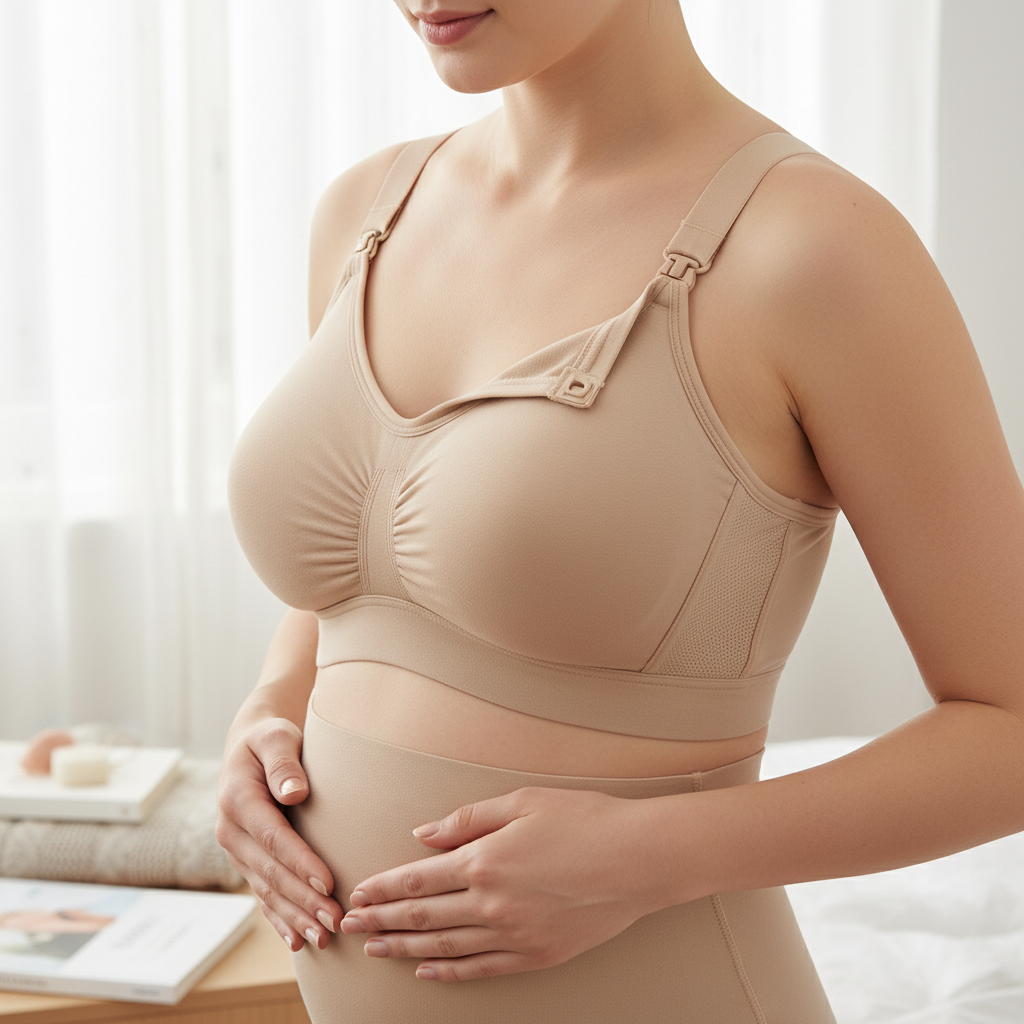
This guide presents the top five essential tips to help you navigate this essential purchase. By focusing on factors such as sizing, support, and fabric options, you can ensure that your Maternity and Nursing Bra not only fits well but also provides the necessary support for nursing. Understanding your body’s needs and the features that enhance the nursing experience is vital to making an informed choice. Whether you are seeking maximum comfort for day-to-day wear or a stylish option for special occasions, these tips will equip you with the knowledge you need to select the perfect Maternity and Nursing Bra.
Understanding Maternity Bra Basics: Key Features and Functions
When selecting the right maternity and nursing bra, understanding the basics of maternity bra features and functions is crucial for both comfort and support. According to a study by the International Journal of Women's Health, approximately 70% of women experience breast size changes during pregnancy, highlighting the importance of a well-fitting bra. A good maternity bra should accommodate these changes by offering adjustable features such as stretchable fabric and multiple hook positions to ensure a snug fit as the body transforms.
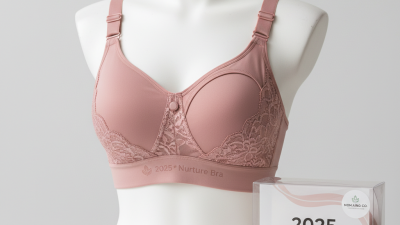
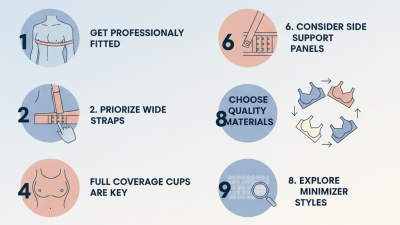
Key features to look for include wide straps and a supportive underband, which help to distribute weight evenly and alleviate pressure on the shoulders. Research indicates that nearly 60% of women report discomfort due to poorly designed bras during pregnancy. Moreover, nursing bras with easy-to-open clips or panels facilitate breastfeeding without the need to remove the entire garment, contributing to both convenience and comfort. Prioritizing these features will not only enhance comfort but also support the breasts effectively during this critical time.
Identifying Your Correct Size: How to Measure for the Perfect Fit
Finding the perfect maternity and nursing bra begins with understanding your correct size. According to the Journal of Obstetrics and Gynaecology, nearly 80% of women wear the wrong bra size, which can lead to discomfort and lack of support during pregnancy and breastfeeding. To measure for the perfect fit, start by wearing a non-padded bra to get an accurate assessment. Use a measuring tape to measure around your rib cage directly beneath your bust for the band size, and then measure around the fullest part of your bust for the cup size. This will provide you with a baseline to select the right size.
When selecting a maternity or nursing bra, look for features that promote both comfort and ease of use. Opt for bras with adjustable straps and multiple hook-and-eye closures, allowing for the necessary size adjustments as your body changes. A study published in the journal "BMC Pregnancy and Childbirth" emphasizes the importance of proper support in reducing back pain and enhancing overall comfort during this transformative time. Additionally, consider styles with drop-down cups for easy nursing access, enabling quick feeding while maintaining support.
Trial and error plays a significant role in finding the right fit. Many retailers offer a range of sizes and styles, so take advantage of fitting rooms to try on various options. Make sure to perform the “bounce test” – jump lightly to check if the bra provides adequate support without causing discomfort. Remember, the right maternity and nursing bra is crucial not only for physical comfort but also for boosting your confidence during pregnancy and postpartum.
Exploring Material Options: Comfort vs. Support in Bra Fabrics
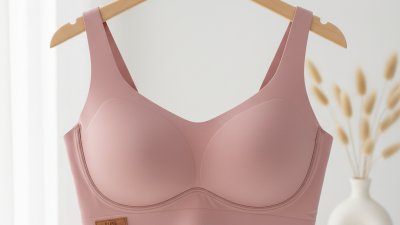
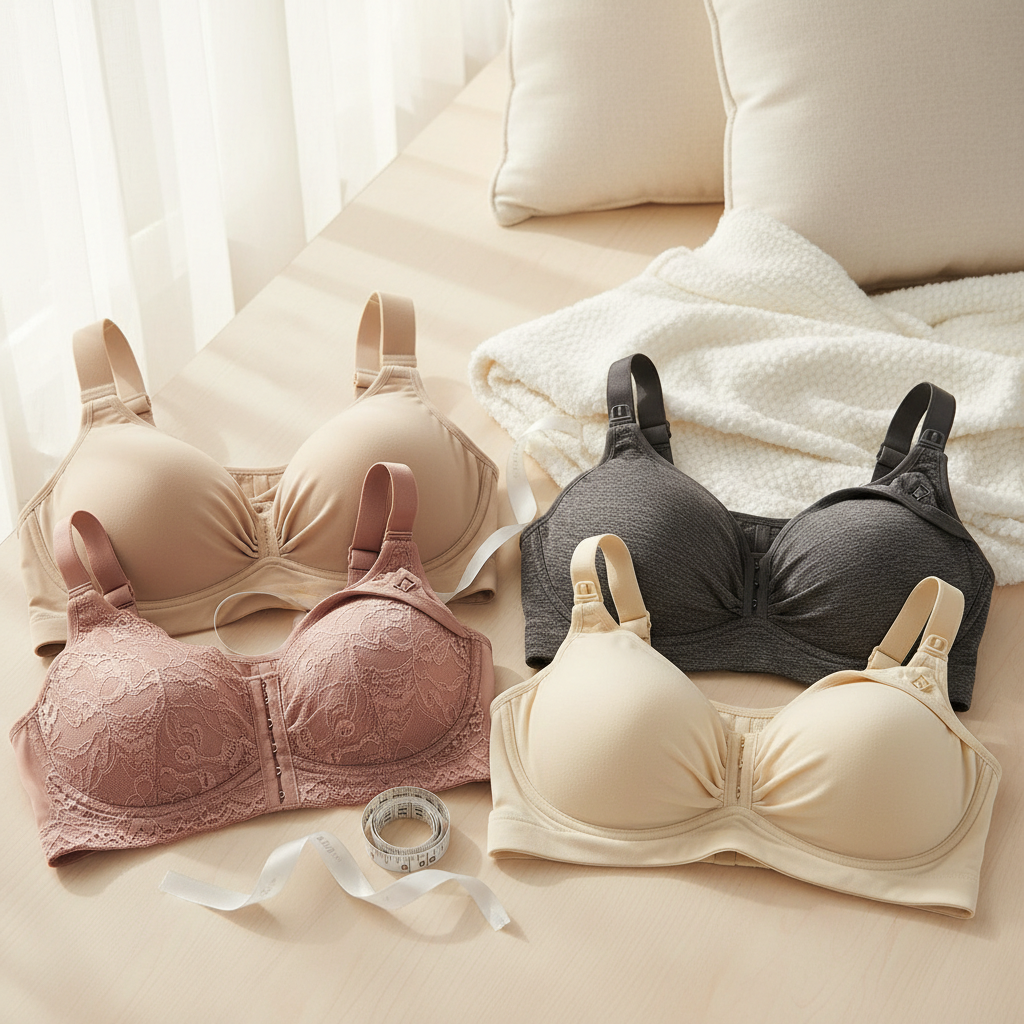
Choosing the right maternity and nursing bra is critical for both comfort and support, and the material used plays a significant role in this decision. When selecting a bra, consider fabrics that offer breathability and stretch, such as cotton or bamboo blends. These materials provide comfort against sensitive skin, especially during the postpartum phase when changes in breast size are common. Natural fibers like cotton are also less likely to irritate, making them ideal for those long days when a nursing mother requires both function and comfort.
On the other hand, while comfort is essential, support cannot be overlooked. Fabrics that incorporate spandex or elastane can provide the necessary firmness that helps in supporting the breasts. Look for bras with a good structure, such as those featuring underwire or reinforced seams, as these elements are crucial in maintaining support throughout the day. Thus, a blend of breathable materials for softness with supportive fabrics will ensure that the bra not only feels good but also delivers the necessary support during this transformative time.
10 Essential Tips for Choosing the Right Maternity and Nursing Bra for Comfort & Support
| Dimension |
Comfort Factor |
Support Factor |
Recommended Material |
| Fit |
High |
Medium |
Cotton Blend |
| Strap Width |
Medium |
High |
Elastic |
| Underband |
High |
High |
Spandex |
| Closure Type |
Medium |
Medium |
Hook & Eye |
| Cup Design |
High |
High |
Molded Foam |
| Fabric Breathability |
High |
Medium |
Bamboo Fiber |
| Flexibility |
High |
Low |
Modal |
| Adjustability |
Medium |
High |
Adjustable Straps |
| Design Style |
Personal Preference |
N/A |
Lace, Simple, Sporty |
| Price |
Varies |
Varies |
Affordable to Premium |
Nursing Bra Styles: Choosing Between Convertible, Full-Coverage, and Bralette
When it comes to selecting the right nursing bra, understanding the differences between various styles is crucial for both comfort and functionality.
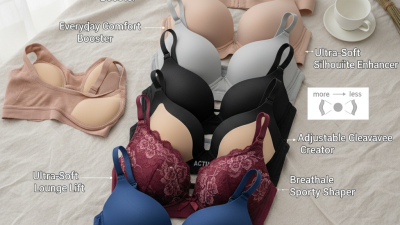
Convertible nursing bras offer versatility, allowing mothers to adapt the straps for different occasions, whether it’s a relaxed day at home or an outing. These bras are designed to provide the support needed while enabling easy access for nursing. Look for options with clips or hooks that can be quickly undone with one hand—ideal for multitasking moms.
Full-coverage nursing bras, on the other hand, are perfect for those seeking maximum support and a smooth silhouette under clothing. These bras cover more of the breast and often provide a secure fit, which can be particularly comforting during the early stages of breastfeeding when sensitivity may be heightened. They come in various designs that can suit both everyday wear and special occasions.
Lastly, bralette nursing bras combine soft, stretchy fabrics with a more relaxed fit, making them a great choice for casual wear at home. They often lack underwires, providing a non-restrictive option that still allows for nursing access when needed. Each style serves its purpose, catering to the diverse needs of nursing mothers.
Care Tips for Maternity and Nursing Bras: Maintenance for Longevity and Comfort
When it comes to maternity and nursing bras, proper care is essential for ensuring longevity and comfort. First and foremost, always check the care label before washing your bras. Most maternity and nursing bras are made from delicate materials that require gentle handling.
Hand washing in cold water with a mild detergent is typically recommended, as it helps preserve the elasticity and shape of the bra. Avoid wringing out the bras; instead, gently squeeze out excess water and lay them flat to dry. This method helps prevent damage and prolongs the lifespan of your bras.
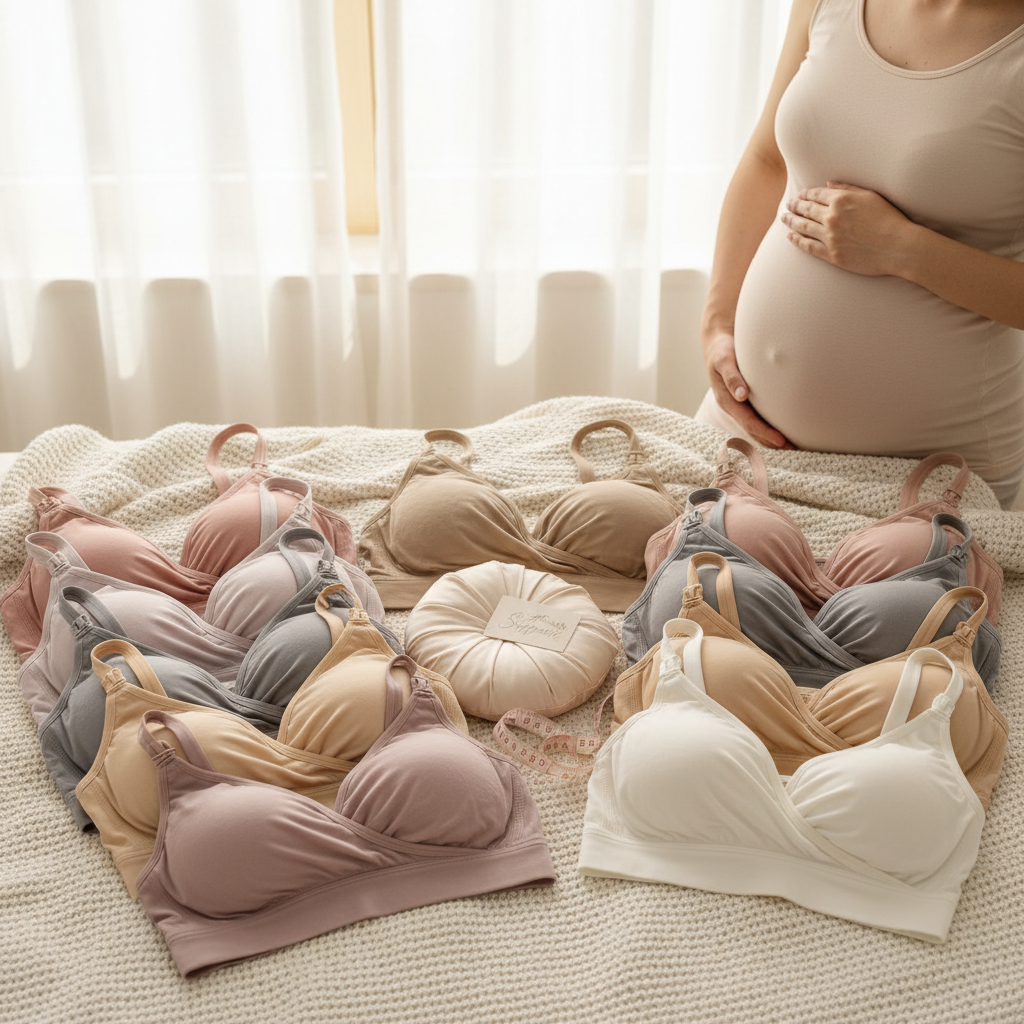
Additionally, consider rotating your bras to reduce wear and tear. Having a few different options allows you to give each bra a break, which can enhance their durability. Store bras by laying them flat or using a designated drawer, avoiding folding them in half, which can distort their shape.
Regularly inspect your bras for signs of wear, such as frayed straps or stretched bands, so you can address any issues before they affect your comfort and support. By following these care tips, you can ensure that your maternity and nursing bras continue to provide the support you need during this special time.