10 Essential Tips for Choosing Nursing Bras For Breastfeeding
Choosing the right Nursing Bras For Breastfeeding is essential for new mothers. Studies show that nearly 70% of nursing mothers struggle with discomfort during breastfeeding due to poor bra choices. Dr. Emily Johnson, a lactation consultant, asserts, "A well-fitting nursing bra can make a significant difference in a mother’s breastfeeding experience."
Many women underestimate the importance of breast support during this vital period. The right nursing bra should provide comfort, easy access for feeding, and adjustability. Inappropriately fitted bras can lead to issues like back pain or skin irritations. Yet, many mothers find themselves confused by the multitude of options available.
Research indicates that over 60% of mothers report issues with their nursing bras. This highlights a need for education on how to select the best one. It's crucial to prioritize both functionality and comfort. Women often overlook the importance of trying on several sizes and styles to find the ideal fit. Choosing the best Nursing Bras For Breastfeeding can profoundly enhance the overall experience for mothers and their babies.

Understanding the Importance of Nursing Bras for Breastfeeding
Choosing the right nursing bra is essential for breastfeeding mothers. A well-fitted nursing bra supports comfort and makes breastfeeding easier. Studies show that 68% of women experience breast discomfort during lactation. Therefore, selecting the right bra can significantly alleviate these concerns.
Consider the fabric. Look for breathable materials like cotton or bamboo. These fabrics help regulate temperature and minimize moisture, which can reduce the risk of skin irritation. A good tip is to choose a bra with a flexible band. It should fit snugly but not restrict, allowing for body changes during breastfeeding.
Don’t overlook the importance of style. Nursing bras come in various designs, from pull-down to snap-down styles. Each has its conveniences. A common issue is finding bras that provide easy access while maintaining support. Ensure the cups open easily, as this will make the process simpler during feedings. Many mothers report frustration with complicated closures. Keep it simple to enhance your breastfeeding experience.
Key Features to Look For in Nursing Bras
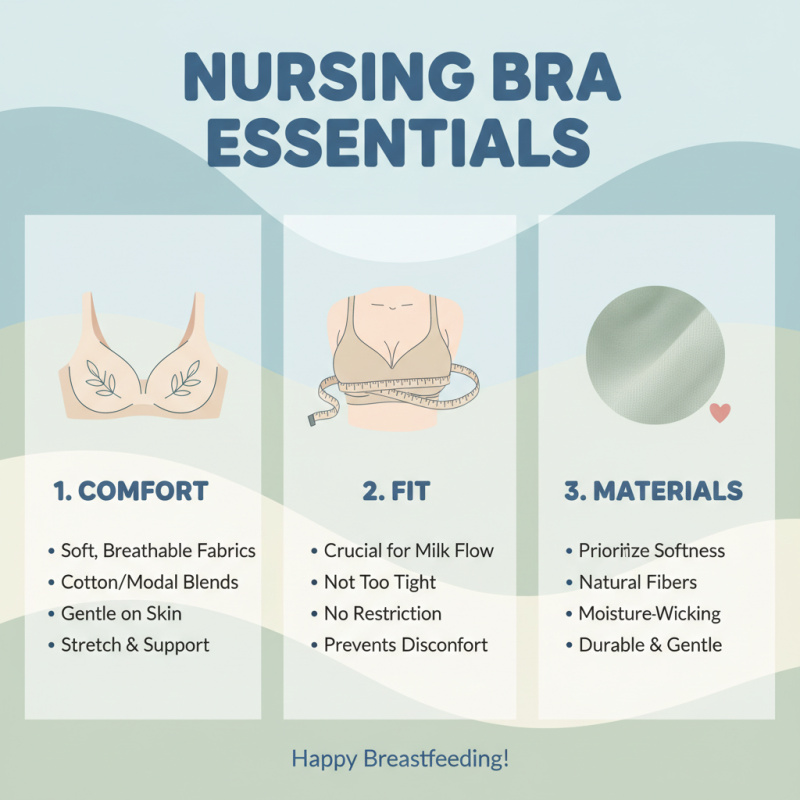
Choosing the right nursing bra is essential for breastfeeding mothers. Consider comfort as a top priority. Look for soft, breathable fabrics that feel good against your skin. You may prefer bras with cotton or modal blends. These materials offer stretch and support. The fit is crucial, too. Avoid bras that are too tight or restrictive. They can affect milk flow and lead to discomfort.
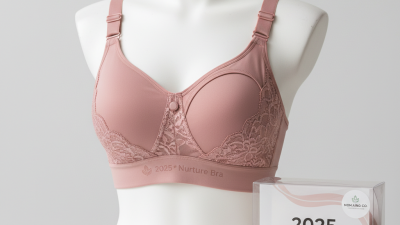
Also, think about the closure type. A front or side-opening design can make breastfeeding easier. Adjustable straps will help you find the perfect fit. Check if the bra has extra hooks for adjusting as your body changes. Feeding access is important. Choose bras with easily removable cups. You shouldn't struggle when it's time to feed your baby.
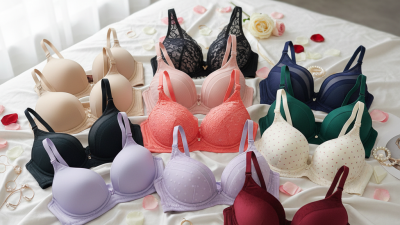
Don’t forget about style, either. Although functionality is key, a bit of flair can boost your confidence. Look for colors and designs that you love. Keep one or two favorites for outings or special occasions. It’s okay if you don’t find the perfect one right away. Your preferences might change as your breastfeeding journey evolves. Embrace the process of finding what works best for you.
Different Types of Nursing Bras Explained
Choosing the right nursing bra is crucial for breastfeeding mothers. Various types of nursing bras cater to different needs and preferences. Supportive bras can help reduce discomfort, especially during the postpartum period. According to a study published in the Journal of Maternal-Fetal & Neonatal Medicine, over 70% of women experience breast changes during lactation. A well-fitting nursing bra can ease this stress.
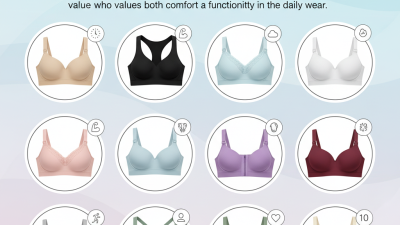
There are several types of nursing bras available. The most common types include the classic drop-down cup, which allows easy access for nursing. This design can be particularly beneficial during late-night feedings. Wireless nursing bras provide gentle support and flexibility, ideal for those who prefer comfort. However, they may lack the structure some women need.
Full-cup nursing bras offer more coverage, which can help alleviate leaks. In contrast, the sports nursing bra is great for active lifestyles but may not provide enough support for larger breast sizes. It’s important to explore different styles and find the right fit. Remember, comfort and functionality should be your top priorities. Many mothers express dissatisfaction with their initial choices, indicating that trial and error are often part of the process.
How to Find the Right Size for Your Nursing Bra
Finding the right size for your nursing bra is crucial for comfort and support during breastfeeding. Start by measuring your band size. Use a soft measuring tape to find your rib cage's circumference, just under your bust. Round this number to the nearest whole number. Next, add four to six inches to this measurement, depending on your preference for a snug or looser fit.
For the cup size, measure the fullest part of your bust while wearing a non-padded bra. Subtract the band measurement from this bust measurement. This difference will help determine your cup size. If the difference is one inch, you’re an A cup. Two inches indicates a B cup, and so on. It can be tricky to get accurate measurements, though.
Remember, each nursing bra may fit slightly differently. Don't hesitate to try several styles. Straps and clasps should be adjustable for personal comfort. Some may find they require a size change as breastfeeding progresses. It’s okay to feel uncertain about sizing—many moms go through this. Always prioritize what feels comfortable and supportive.
10 Essential Tips for Choosing Nursing Bras For Breastfeeding - How to Find the Right Size for Your Nursing Bra
| Tip Number |
Tip Title |
Description |
| 1 |
Measure Before Buying |
Ensure accurate measurements for the best fit by measuring both band and cup size. |
| 2 |
Consider Your Breast Changes |
Choose bras that accommodate fluctuating breast sizes during breastfeeding. |
| 3 |
Opt for Comfort |
Look for soft, stretchable fabrics that provide comfort and support. |
| 4 |
Check for Nursing Features |
Select bras with easy-to-open flaps or clips for convenient breastfeeding access. |
| 5 |
Choose the Right Style |
Decide between underwire, wireless, or sports nursing bras based on your lifestyle. |
| 6 |
Consider Size Adjustability |
Opt for bras with adjustable straps and closure to accommodate changes in size. |
| 7 |
Look for Full Coverage |
Ensure your nursing bra offers full coverage for support and discretion. |
| 8 |
Select Breathable Fabrics |
Choose fabrics that help wick moisture and keep you cool during nursing. |
| 9 |
Read Customer Reviews |
Look for feedback from other mothers to assess comfort and fit. |
| 10 |
Don’t Skimp on Quality |
Invest in quality bras that will last through your breastfeeding journey. |
Tips for Maintaining and Caring for Nursing Bras
Taking care of nursing bras is essential for comfort and longevity. Always follow the washing instructions on the label. Most bras can be gentle washed by hand or in a machine with a lingerie bag. Use cold water and a mild detergent. Avoid fabric softeners, as they can reduce elasticity. Hang them to dry instead of using a dryer, which may lead to shrinkage.
Regularly inspect your nursing bras for wear and tear. Check for stretched bands or damaged hooks. Even minor issues can affect support. Rotate your bras to allow them to rest. This helps maintain their shape and fit. It’s okay if some bras fit differently after a few washes. This can happen, and it’s a good chance to reevaluate your selection. Always be open to adjustments and new sizes.
Don’t forget to store your bras properly. Lay them flat to avoid creasing the cups. If you have limited space, stack them but ensure they’re not squished. A little care goes a long way. Finding the right fit and style is important, yet maintaining them is just as crucial. Regular care will ensure your bras remain comfortable during your breastfeeding journey.
Comparison of Nursing Bra Features