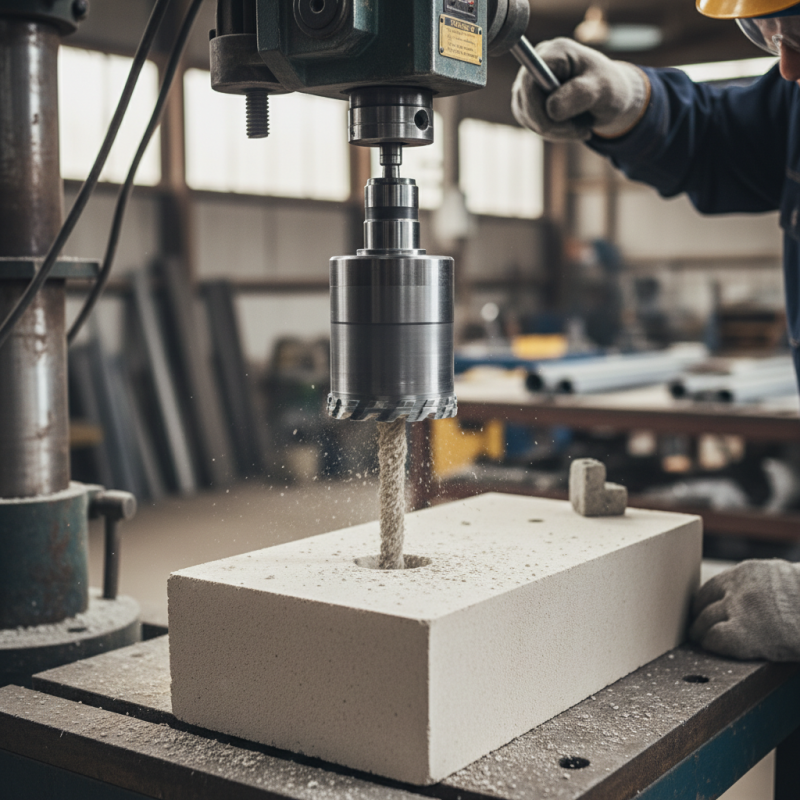
What is a Hollow Bit and How is it Used in Drilling?
A Hollow Bit is a specialized drilling tool designed for efficiency and precision. Unlike traditional bits, it features a cylindrical shape with a hollow center. This unique design allows for the removal of debris while drilling, making it a preferred choice in various applications.
Using a Hollow Bit can enhance productivity in construction and manufacturing. The ability to drill clean holes quickly is invaluable. However, it requires careful handling. Improper technique can lead to issues like breakage or inaccurate holes.
Understanding the usage of a Hollow Bit is essential for effective drilling. It is not just about the tool's design. It also involves mastering the technique. With practice, one can achieve better results. Yet, many still struggle with its application. Acknowledging these challenges can lead to improved skills.
Definition of a Hollow Bit in Drilling Applications
A hollow bit is a specialized tool used in drilling applications. It has a unique design that allows for a core sample to be extracted while minimizing disruption to the surrounding material. Typically, this bit drills a cylindrical hole, creating a core that can provide valuable geological information. The core recovered can be analyzed for minerals, soil composition, or other crucial data.
When using a hollow bit, proper technique is vital. Align the drill carefully to maintain accuracy. Consider the type of material being drilled. Different earth types can affect performance. Avoid using excessive pressure; this may lead to bit breakage or incomplete core extraction.
Tips: Always measure the depth accurately. Keeping your drill steady can prevent misalignment. Check your hollow bit regularly for wear or damage. A well-maintained tool performs better.
It's important to reflect on your drilling techniques after each project. Did you get the core sample needed? Were there any complications? Learning from these experiences can greatly enhance your efficiency and success in future drilling endeavors.
Types of Hollow Bits and Their Specific Uses
Hollow bits are specialized drilling tools designed for specific tasks. They create clean, precise holes. There are different types of hollow bits, each serving unique purposes.
One common type is the auger bit, ideal for drilling deep, narrow holes in wood or soil. It's useful for fence posts or planting bulbs. Another type is the core bit, often used in concrete. It removes a cylinder of material, allowing for deep drilling. This is great for installing plumbing or electrical lines.
Tip: Always choose the right bit for your project. Using the wrong type can lead to frustrating outcomes. Check for compatibility with your drill.
Masonry bits are also crucial, designed for drilling through hard surfaces. They might wear down faster than others. This can be a hassle. Regularly inspect your bits for wear and replace them as necessary.
Tip: Keep your drill bit cool while working. Overheating can decrease efficiency and lifespan. Use water or lubricant, especially with tougher materials.
Materials Used to Construct Hollow Bits
Hollow bits are essential tools in drilling. They allow for efficient material removal while creating holes. The design of hollow bits enables them to work effectively with various materials.
When constructing hollow bits, different materials are used. Steel is a common choice for its durability. However, it can wear down quickly under extreme conditions. That's why some have carbide tips. These tips enhance hardness and resistance to wear.
Another material used is high-speed steel. It offers excellent hardness and retains sharpness even after repeated use. Yet, high-speed steel bits can be brittle. Under certain pressures, they may break. There's also titanium-coated bits. These boast lower friction and help prolong the bit's life. Still, they require careful handling to avoid damage. Choosing the right material is crucial for effective drilling.
Advantages of Using Hollow Bits in Various Drilling Projects
Hollow bits are specialized tools used in drilling operations. They feature a cylindrical shape with a hollow center. This design allows for efficient removal of material. When drilling, the bit can create clean, precise holes. This is crucial in many projects.
Using hollow bits offers several advantages. They can enhance productivity by minimizing the time spent on drilling. The hollow design facilitates better waste removal. This leads to less downtime for the equipment. Additionally, the bits can be used in various materials, from wood to metal. Their versatility makes them ideal for diverse projects.
However, using hollow bits is not without challenges. The drilling process can sometimes produce excessive debris. This requires extra effort in cleanup. Furthermore, if not used correctly, the bits can become dull quickly. Understanding proper techniques is essential. This might require some trial and error in the field. Overall, the benefits of hollow bits often outweigh these drawbacks.
Best Practices for Maintaining and Operating Hollow Bits
Hollow bits play a crucial role in drilling operations. Proper maintenance is essential for optimal performance. Regular inspections can help identify wear patterns early. It is reported that 30% of drilling failures stem from inadequate maintenance. Operators must ensure that hollow bits are free from debris and damage.
Cleaning hollow bits frequently is vital. Dust and cuttings can hinder performance. A good practice is to flush out debris frequently during drilling. This minimizes the risk of overheating, which can reduce the bit's lifespan. According to industry data, bits can experience a 25% increase in efficiency with proper cleaning techniques.
Training personnel on hollow bit operation is equally important. Experienced operators can spot inefficiencies promptly. Inadequate training may lead to incorrect usage, causing premature wear. Reports indicate that investments in operator training can yield up to a 40% increase in drilling productivity. Ultimately, maintaining and operating hollow bits requires diligence and attention to detail.
What is a Hollow Bit and How is it Used in Drilling? - Best Practices for Maintaining and Operating Hollow Bits
| Aspect | Details |
| Definition | A hollow bit is a drilling tool designed with a central hole to allow the removal of core samples or debris during drilling operations. |
| Common Uses | Used in geological exploration, construction, and mining to collect core samples and enhance drilling efficiency. |
| Materials | Typically made from high carbon steel or strong tungsten carbide for durability and performance. |
| Types | Includes diamond core bits, carbide-tipped bits, and different sizes for varying applications. |
| Best Practices | Regularly inspect for wear, keep the bit lubricated, and maintain optimal drilling speed and pressure to prolong lifespan. |
| Safety Measures | Always wear protective gear, ensure proper equipment setup, and follow manufacturer guidelines. |