Best Maternity and Nursing Bra Tips for New Moms
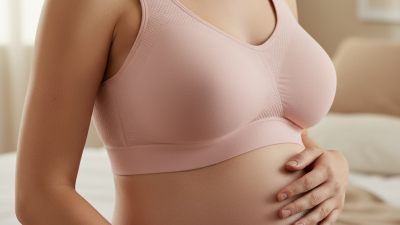
Navigating the world of Maternity and Nursing Bras can feel overwhelming for new moms. It’s essential to choose the right fit to ensure comfort during this transformative time. A well-fitted bra supports your changing body, providing relief as your body adapts to breastfeeding.
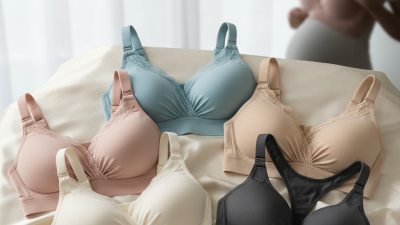
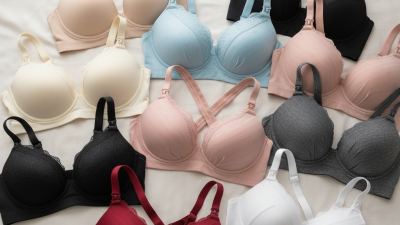
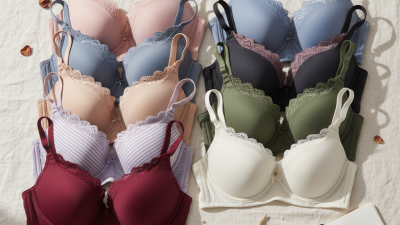
Maternity and Nursing Bras come in various styles, fabrics, and features. Understanding these differences can improve your experience. For instance, some bras offer easy access for nursing, while others prioritize support. It’s not just about aesthetics; functionality matters too.
New moms often overlook the importance of a proper fit. Many women wear the wrong size, leading to discomfort or inadequate support. Take the time to get measured and try on different styles. Remember, your needs may change as you go through this journey, and that’s perfectly okay. Prioritize your comfort and well-being while exploring the best options out there.
Choosing the Right Maternity Bra: Key Features to Consider
Choosing a maternity bra is crucial for new moms. Proper fit and support can impact comfort and confidence. A study from the Journal of Obstetrics and Gynaecology found that 70% of women experience breast changes during pregnancy. This highlights the need for adjustable features in maternity bras.
Look for bras with soft, breathable fabrics. Cotton and modal blends allow for comfort, especially during warm months. A good bra should avoid pressure points while providing adequate support. Many experts suggest bras with wide straps and a full-coverage design. This helps distribute weight evenly, reducing back pain.
When considering nursing bras, ease of access is essential. Many styles offer clips or panels for quick breastfeeding. Remember, personal preference plays a role. Some mothers may find underwire supportive, while others prefer wireless options. It's important to try different styles and make adjustments based on your daily activities and comfort level. Keep reflecting on your needs as your body changes postpartum.
Best Maternity and Nursing Bra Tips for New Moms
This chart illustrates the key features to consider when choosing a maternity and nursing bra, based on their importance level. New moms can use this information to make informed decisions about their maternity bra purchases.
Understanding Nursing Bras: Types and Functions Explained
Understanding nursing bras is essential for new moms. They come in various types, designed to provide comfort and convenience during nursing. A study highlights that 85% of new mothers prefer bras with easy access for feeding. This preference influences design, with many bras featuring drop-down cups for quick access.
When choosing a nursing bra, consider your body’s changes. During pregnancy and postpartum, breasts can fluctuate in size. Opt for bras with adjustable straps and wide bands for better support. Look for fabrics that are breathable and stretchy. The right fit can improve comfort and confidence.
Tip: Invest in a quality nursing bra early. It can make your nursing journey smoother. Remember to measure your size regularly. Your body is not static during this time. Many experts recommend having at least two to three bras on hand to rotate. This approach ensures cleanliness and comfort when nursing your baby.
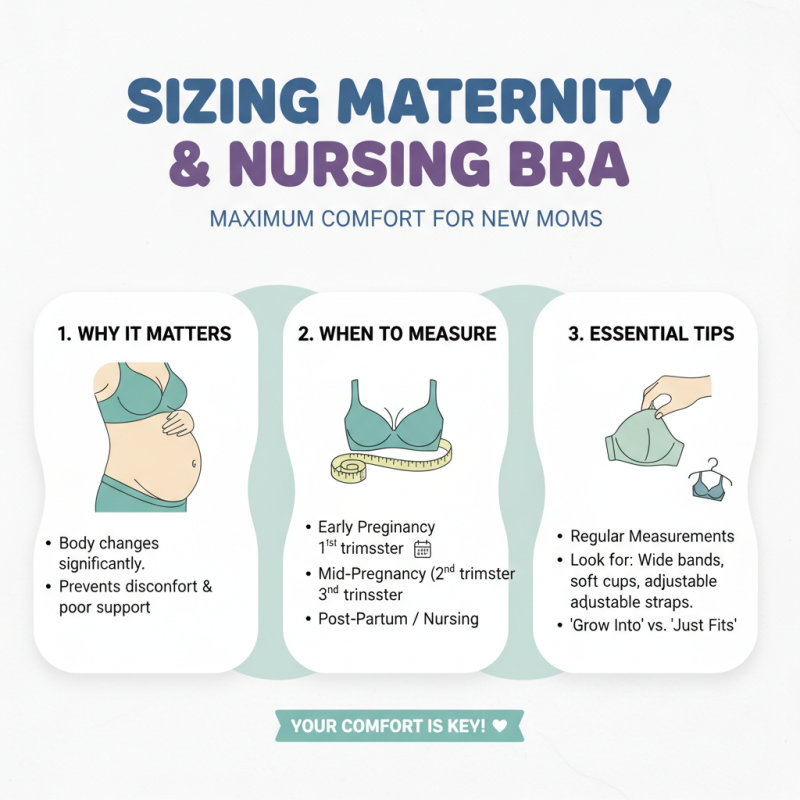
Sizing Your Maternity and Nursing Bra for Maximum Comfort
Choosing the right size for your maternity and nursing bra can make a significant difference in your comfort. Many new moms underestimate the importance of proper fit. Your body goes through immense changes during pregnancy and breastfeeding. Regular measurements are essential.
To find your perfect size, start by measuring your band size. Use a soft measuring tape around your ribcage, just under your bust. Make sure it’s snug but not too tight. For your cup size, measure the fullest part of your bust while wearing a lightly lined bra. The difference between the two measurements will give you your cup size.
Don’t hesitate to try on multiple styles. Not all bras fit the same, even if they are the same size. Some styles may not provide enough support, while others may feel too restrictive. It’s perfectly okay to feel uncomfortable or unsure about what fits best. Remember, it’s about finding the balance between comfort and support as your body continues to change.
Care Tips for Maternity and Nursing Bras: Maintenance and Longevity
When it comes to maternity and nursing bras, proper care is essential for maintaining their shape and comfort. These bras support you during a significant transitional period. Follow these tips for optimal maintenance and longevity.
Regularly hand wash your bras with a gentle detergent. Machine washing can be harsh and may deform the fabric. Air drying is preferable; avoid the dryer to prevent shrinkage. It's crucial to give your bras room to breathe. This keeps them in shape.
Replace your bras every six months, or sooner if they lose elasticity. Signs of wear may include stretched straps or unusual fit. Remember, your body is changing, and your bras should accommodate that. Investing in a few staple pieces is wise.
Lastly, store your bras flat, rather than folding them, to preserve their structure. This small adjustment can significantly extend their lifespan. Think about how you treat your favorite garments. Your nursing bras deserve similar care and attention.
When to Transition from Maternity to Nursing Bras: A Timeline Guide
Transitioning from maternity to nursing bras can be a challenging journey for new moms. Understanding when to make this shift is crucial. Maternity bras provide support during pregnancy. They accommodate changes in breast size as the body prepares for nursing. Most women find comfort in these bras during the final trimester. However, the right time to switch is as soon as breastfeeding begins.
After delivery, nursing bras become essential. They are designed for easy access while providing the necessary support. Ideally, you should transition within the first week post-delivery. This allows your body to adjust to breastfeeding and ensures comfort. Look for bras with adjustable straps and easy clasps. These features make nursing more manageable. Every woman's experience is unique. Some may need to adjust sizes quickly, especially during the first month.
Evaluate how your body feels during this period. If your maternity bra feels restrictive, it may be time to switch. Listen to your instincts and choose what feels best. Remember that comfort varies widely among women. There is no one-size-fits-all solution. Emphasizing personal experience can guide you in selecting the right nursing bra. Adjustments will be necessary as your body changes during this phase.
Best Maternity and Nursing Bra Tips for New Moms - Transition Timeline
| Timeline Stage |
Recommended Bras |
Key Features |
Transition Tips |
| Pregnancy (0-9 months) |
Maternity Bra |
Flexible support, adjustable straps, full coverage |
Choose a bra with stretchable fabric to accommodate breast growth. |
| Postpartum (0-3 months) |
Nursing Bra |
Easy access for breastfeeding, soft fabric |
Look for bras with clip-down cups for convenience during feedings. |
| Breastfeeding (3-6 months) |
Nursing Bra & Tank |
Supportive, breathable, convertible styles |
Consider bras that transition into normal bras once breastfeeding ends. |
| Weaning (6-12 months) |
Underwire Nursing Bra |
Added structure, still functional for nursing |
Transition to underwire for more support as breastfeeding decreases. |