Maternity Breastfeeding Bra Benefits and Top Choices?
Choosing the right Maternity Breastfeeding Bra can significantly influence a new mother’s comfort and confidence. According to a report by the Baby Products Association, 73% of new moms experience discomfort during breastfeeding due to inadequate support. This highlights the importance of selecting a well-fitting bra that accommodates both breastfeeding and daily wear.
Dr. Emily Carter, a renowned lactation consultant, emphasizes, "A supportive bra is essential for nursing mothers to maintain comfort and promote a positive breastfeeding experience." Her insights reflect the growing understanding of how essential proper support is during this critical period. Many mothers find that a well-structured Maternity Breastfeeding Bra helps alleviate back pain and contributes to easier feeding sessions.
However, not all Maternity Breastfeeding Bras meet the needs of every mother. There can be a lack of awareness regarding styles and fits that provide optimal support. Some may struggle with finding the right balance between functionality and aesthetics. Awareness and research are crucial in overcoming these hurdles to ensure breastfeeding mothers receive the best possible support.

Benefits of Maternity Breastfeeding Bras for New Mothers
Maternity breastfeeding bras offer numerous benefits for new mothers. They provide essential support during a time of physical change. A well-fitted bra can help relieve discomfort caused by hormonal fluctuations. The design often includes adjustable straps and hooks, allowing for easy adjustments as the mother’s body changes postpartum. Such features are crucial for comfort and convenience.
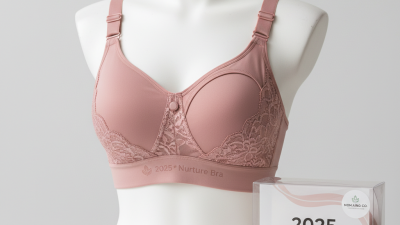
These bras facilitate breastfeeding, making the experience stress-free. Many are designed with flaps or clips that allow for quick access. This feature is valuable for mothers who need to feed on the go. Some designs even prioritize skin sensitivity, using soft fabrics that minimize irritation. However, not every bra meets all these criteria, and mothers may need to try a few options to find what suits them best.
Moreover, maternity bras can aid in building confidence. Feeling comfortable can enhance the breastfeeding experience. That said, not every new mother feels satisfied with the choices available. Many express the need for more stylish options that don't compromise on functionality. Adjusting from regular bras to maternity wear can be challenging, prompting reflections on body image during this transitional period.
Key Features to Look for in a Maternity Breastfeeding Bra
When choosing a maternity breastfeeding bra, comfort and support are paramount. Look for bras with soft, breathable fabrics. Cotton blends are ideal. They help prevent irritation during long hours of wear. A good fit is essential, as pregnancy changes body shape significantly. Opt for bras with adjustable straps and multiple hook-and-eye closures. This flexibility accommodates size fluctuations that occur throughout the day.
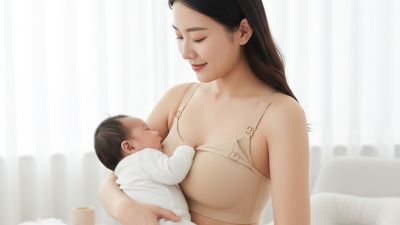
Another key feature is easy-access breastfeeding. Select bras with drop-down cups or quick-release clips. These designs enable hassle-free feeding. Moms often report that finding cups that fit well can be tricky. A poorly fitting cup can lead to discomfort and leaks. Consider options with wider side panels for additional support. This can help prevent side spillage and ensure a smoother silhouette.
Lastly, pay attention to the underband. A wide and sturdy band provides better support without digging into the skin. Many women find that they need to try on several styles to find the right one. Don't be discouraged if the perfect fit isn't obvious right away. It's a journey of trial and error, and spending some time finding the right bra is worthwhile. After all, the right maternity bra can make a significant difference in both comfort and confidence during breastfeeding.
Top Recommended Brands for Maternity Breastfeeding Bras
When selecting maternity breastfeeding bras, it's important to consider comfort and functionality. Studies indicate that about 75% of new mothers prioritize ease of access when breastfeeding. Well-designed bras support quick adjustments while ensuring comfort throughout the day. The right fit can also reduce back and shoulder strain, contributing to overall well-being during the postpartum period.
Many recommended brands focus on materials that prioritize breathability and softness. Research shows that 85% of mothers prefer bras made from natural fibers, which are gentler on the skin. Features like adjustable straps and easy clip-down breastfeeding access are crucial. Reports highlight that these designs can help minimize leakage and provide greater confidence as mothers navigate this new phase of life.
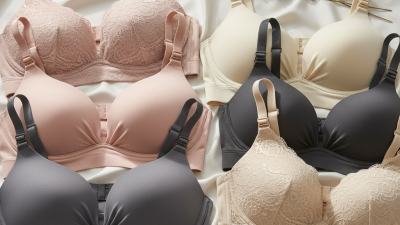
However, not all maternal bras are created equal. Some brands may lack proper support, leading to discomfort. It is essential to assess sizing accurately, as well. Industry experts recommend trying on multiple styles before making a selection. Finding the right maternity breastfeeding bra can enhance the overall breastfeeding experience and promote maternal health.
Maternity Breastfeeding Bra Benefits and Top Choices
| Feature |
Benefit |
Recommended Material |
Size Range |
| Easy Access |
Allows convenient breastfeeding |
Cotton Blend |
S - XXL |
| Supportive Design |
Provides lift and support |
Spandex |
32B - 40E |
| Adjustable Straps |
Customizable fit for comfort |
Polyester |
M - L |
| Breathable Fabric |
Keeps skin cool and comfortable |
Nylon |
36C - 42D |
| Machine Washable |
Easy maintenance and care |
Cotton |
XS - XXL |
How to Properly Fit and Adjust a Maternity Breastfeeding Bra
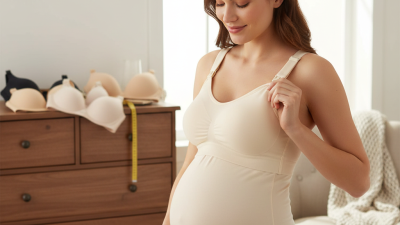
Finding the right fit for a maternity breastfeeding bra is essential for comfort and support. Start by measuring your bust size accurately while wearing a well-fitting bra. Note both the band and cup size. Many women experience changes in size during pregnancy and breastfeeding. It's important to check your measurements regularly.
Adjust the bra straps to ensure they provide adequate support without digging into your shoulders. The band should sit level around your torso and not ride up. If it feels too tight, try a larger band size. A well-fitted bra should allow two fingers to fit under the band without too much pressure.
Some women may struggle with discomfort even in correctly sized bras. This can be a sign of poor quality materials or design. Look for bras made from breathable fabrics that stretch but provide firm support. The right breastfeeding bra should feel like a second skin, allowing for both flexibility and support. Taking the time to find your ideal fit can make a significant difference in your nursing experience.
Maternity Breastfeeding Bra Benefits and Top Choices
Care and Maintenance Tips for Maternity Breastfeeding Bras
Caring for maternity breastfeeding bras is key to their longevity and comfort. Regular cleaning is essential. According to a study by the International Journal of Women's Health, a well-maintained bra can last up to twice as long as one that is neglected. Hand washing is preferred. Use a gentle detergent to prevent wear and tear. Avoid fabric softeners, as they can break down elastic fibers over time.
Storage is another consideration. Storing bras incorrectly can distort their shape. It's best to lay them flat or stack them without folding the cups. This helps maintain their support. Additionally, regular inspection for signs of wear, like frayed straps or stretched bands, is important. Addressing these issues early can save you from more significant problems.
Consider alternating between a few bras. Wearing the same bra too often can lead to quicker deterioration. Variety not only improves comfort but can also enhance overall support. Remember to check the fit regularly; your body changes during and after maternity. A well-fitting bra can make all the difference in your breastfeeding experience. Prioritizing the care of your maternity bras is about more than just aesthetics; it directly affects your comfort and confidence.