What to Look for in a Normal Bra for Best Comfort?
In the evolving world of women's lingerie, the Normal Bra remains a staple for comfort and support. According to a 2022 report from the Lingerie Insight, over 70% of women prioritize comfort when selecting a bra. However, many still struggle to find the perfect fit. Renowned lingerie expert Dr. Emily Radcliffe emphasizes, “A well-fitted Normal Bra can transform a woman's day-to-day comfort dramatically.”
Comfort is not just about the size; it also involves fabric choice and strap design. A recent survey indicated that nearly 65% of women are unaware of the correct size they should wear. This underlines a crucial need for education on proper bra fitting. When shopping for a Normal Bra, several factors come into play, like band size, cup size, and material. However, shoppers often overlook these details.
In today's market, the desire for a Normal Bra that balances style and functionality is stronger than ever. Still, many women find themselves buying bras that do not meet their needs fully. The journey to the perfect Normal Bra is often riddled with confusion and mismarked sizes, highlighting an area that requires industry improvements.
Understanding Different Types of Bras for Comfort
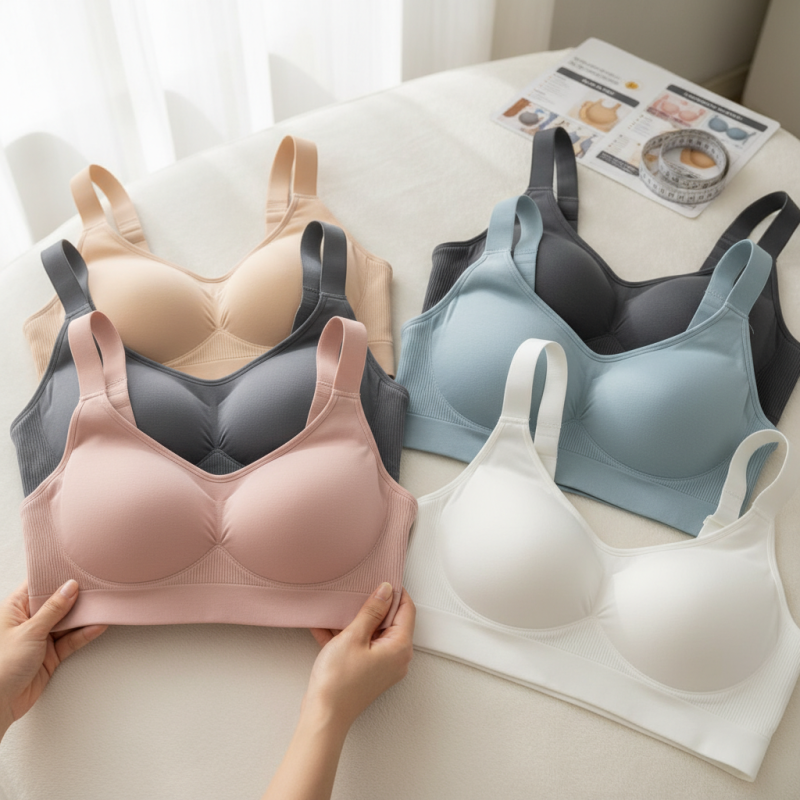
When selecting a comfortable bra, understanding the various types available is essential. Research indicates that almost 80% of women wear the wrong bra size. This can lead to discomfort, back pain, and skin irritation. A well-fitted bra should support without digging into the skin.
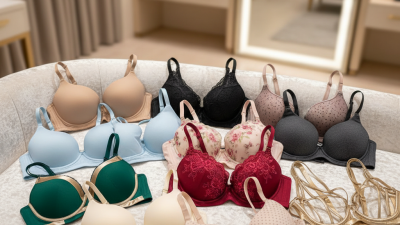
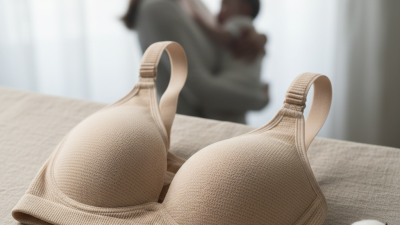
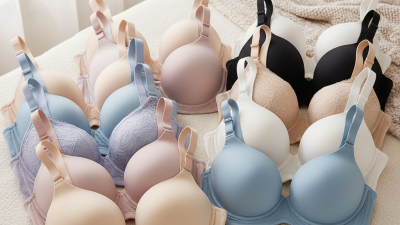
Different bra styles cater to specific needs. T-shirt bras offer seamless coverage, ideal for everyday wear. They provide a smooth look under clothing. Sports bras, on the other hand, minimize movement and support during physical activities. Reports show that 73% of women prefer sports bras for workouts, highlighting their importance in active lifestyles.
Strapless bras are often overlooked but can be surprisingly comfortable when fitted correctly. Women frequently report struggles with keeping them up. Many experience skin irritation due to poor design and fit. It's crucial to consider materials too. Breathable fabrics, such as cotton and moisture-wicking blends, enhance comfort. Therefore, investing time in finding the right type can significantly improve overall comfort and support.
What to Look for in a Normal Bra for Best Comfort?
| Bra Type |
Description |
Comfort Features |
Best For |
| T-Shirt Bra |
Seamless cups for smoothness under clothing. |
Soft fabric, no lines, comfortable fit. |
Everyday wear, under fitted tops. |
| Sports Bra |
Provides support during physical activity. |
Wide straps, moisture-wicking fabric. |
Exercise and sports activities. |
| Underwire Bra |
Includes underwires for lift and support. |
Structured support, can be comfortable with the right fit. |
Dressing up, increased bust support. |
| Bralette |
Lightweight, often unlined and wireless. |
Soft material, no underwire. |
Relaxation, loungewear, casual attire. |
| Full Coverage Bra |
Cups that fully cover the breast. |
Comfortable straps, good support. |
Larger bust sizes, all-day wear. |
Key Features to Consider in a Comfortable Bra
When searching for a comfortable bra, consider several crucial features. The right fit is essential. A bra that’s too tight can cause discomfort. An overly loose one may not provide the needed support. Adjustable straps allow for personalized fit. They can help distribute weight evenly, reducing pressure on your shoulders.
Fabric choice is another important factor. Soft, breathable materials enhance comfort. Look for fabrics that have some stretch. This elasticity can accommodate your body’s movements. Seamless designs can also contribute to a smoother feel against your skin.
Pay attention to the underwire. While some find underwires supportive, others feel restricted. Finding the balance is key. Lastly, the band width plays a role. Wider bands can reduce dig-in and enhance comfort. It’s crucial to reflect on your own comfort standards. What feels right may not always be the same for everyone. Careful consideration of these features can lead to a more enjoyable wearing experience.
Comfort Features in Normal Bras
This chart displays various comfort features of normal bras, rated on a scale from 0 to 10. The ratings reflect how significant each feature contributes to overall comfort, with breathability and support being the most important aspects.
Importance of Proper Fit for Maximum Comfort
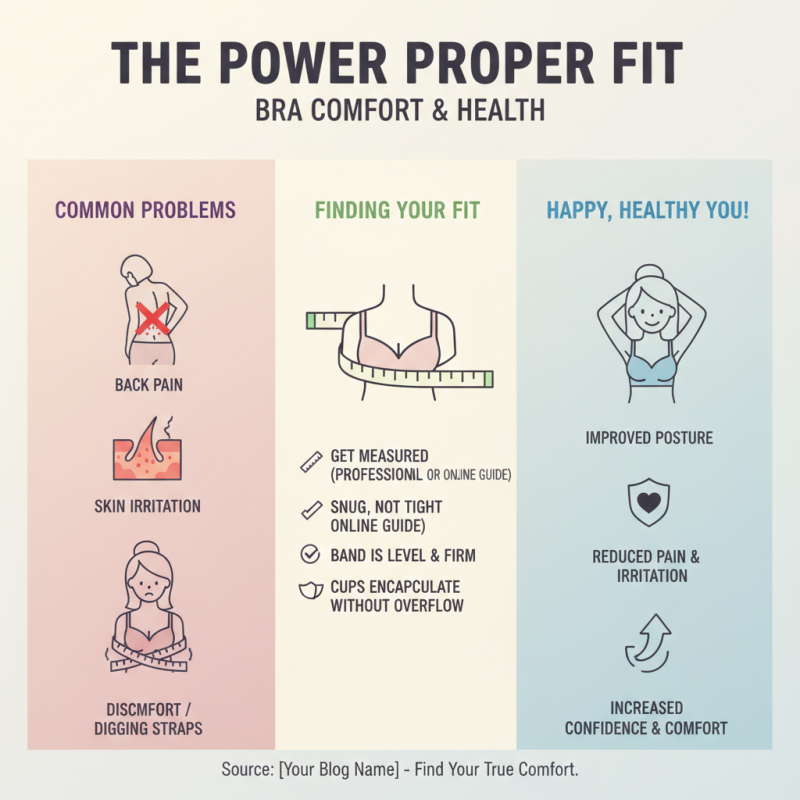
Finding a bra that fits properly is essential for ensuring maximum comfort. Many women, however, struggle with determining their correct size. An ill-fitting bra can cause discomfort, back pain, and even skin irritation. It's shocking how often women wear the wrong size. A good fit should feel snug but not tight. Your bra should support without digging into your skin.
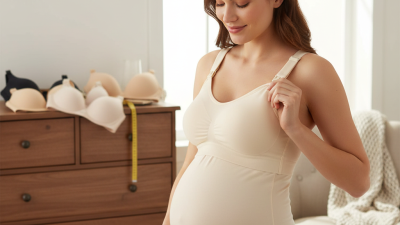
Measuring your band size and cup size is a crucial step. Yet, it's not uncommon to skip this. Many forget to reassess their size regularly. Factors like weight fluctuations and hormonal changes can affect fit. Make it a habit to check your fit every few months. The right bra should move with you, not restrict you. Look for styles that offer flexibility and adjustability.
Don't underestimate the importance of trying on different styles. Each design can fit differently, and your comfort level matters. Sometimes, how a bra looks may tempt you, but if it doesn’t fit right, it won’t feel good. Feel free to experiment until you find the best option. A comfortable bra can enhance your daily life, but it takes effort to find the right fit.
Material Choices and Their Impact on Bra Comfort
Choosing the right material for a bra is crucial for comfort. Soft cotton is a popular choice. It allows the skin to breathe and absorbs moisture. However, it may lack support for larger sizes. Synthetic fabrics like nylon and spandex offer stretch and support. They can provide a snug fit, but they might cause irritation for some.
Wool or modal blends can be an excellent alternative. They are softer and often have better moisture-wicking properties. Still, they may not be suitable for sensitive skin. It's essential to try different materials to see what feels good. Each fabric reacts differently with body heat and moisture.
Many women overlook how seams and tags can impact comfort. Look for seamless options or those with soft, tagless designs. Adjusting the fit can also make a significant difference. A well-fitted bra should support without digging into the skin. The right material combined with the perfect fit can transform your everyday experience. It's a process of learning and adapting to personal comfort preferences.
Adjustable Elements and Support for All-Day Wear
When choosing a normal bra for comfort, adjustable elements play a vital role. Features like adjustable straps can significantly impact fit and support. According to industry data, around 70% of women wear the wrong bra size. A well-fitted bra with adjustable straps can alleviate discomfort. It allows users to tailor the fit to their unique body shape and size.
Support is another crucial element for all-day wear. Bras with reinforced bands and sufficient underwire can improve support without compromising comfort. The right level of support can help reduce back pain and shoulder strain. A study published in the Journal of Fashion Technology found that improper support can lead to long-term posture issues. Ensuring your bra fits snugly without being too tight is essential for health. Many women often neglect this in the pursuit of style.
Ultimately, while aesthetics matter, comfort is paramount. Focus on features that enhance wearability. Remember, the ideal bra should adapt to your body, not force your body to adapt to it. The quest for comfort should not ignore the essentials of proper support and adjustability. Reflecting on these factors may lead to a more satisfying wearing experience.