Get a quote today!
  •               247187193@qq.com
  • 15770667897  
  • Leave Your Message

    What Is a Plus Size Pregnancy Bra and How Does It Fit?

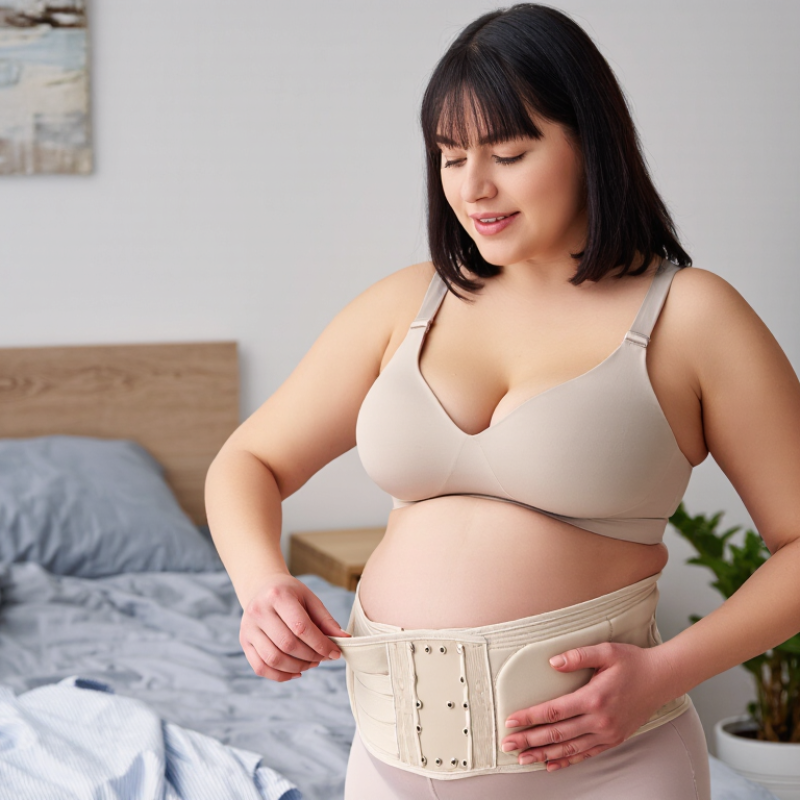
    Pregnancy changes quickly, and bra fitting rarely follows a perfect chart. A Plus Size Pregnancy Bra is designed for fuller breasts, expanding ribs, and changing sensitivity. It should feel supportive without pressing against tender tissue.

    Kimmay Caldwell, a professional bra-fitting educator, often reminds clients, “A bra should never hurt.” That simple advice matters during pregnancy. A comfortable band should sit level across the back, not ride upward. The cups should contain the breasts without cutting into the upper tissue. Wide straps can reduce shoulder pressure, while smooth, breathable fabric may prevent irritation beneath the bust.

    Small details matter. Check the fit while standing and sitting. Notice whether the underband digs in after lunch. Try the bra beneath a loose cotton shirt. The outline should look smooth, not strained. Several rows of hooks can provide useful adjustment as the rib cage expands. Some shoppers may prefer light padding, while others need deeper cups and stronger side support.

    There is no universal fit.

    Even careful guidance has limits. Breast size may change unevenly, and one brand’s “plus size” can differ from another’s. A trained bra fitter, maternity specialist, or healthcare professional can help when swelling, pain, or unusual breast changes appear. This guide will explain how a Plus Size Pregnancy Bra fits, which measurements matter, and what practical signs reveal a better choice. Comfort remains important, but fit should be reassessed throughout pregnancy.
    What Is a Plus Size Pregnancy Bra and How Does It Fit?

    Define Plus-Size Pregnancy Bras: Band 38+ and Extended Cup Sizing

    A plus-size pregnancy bra usually begins at a 38-inch band and offers extended cup sizing. However, “plus size” has no universal industry definition. A 38D may fit differently from one manufacturer to another. A 38H can also provide more volume without needing a wider band.

    Pregnancy often increases both rib-cage measurement and breast fullness. The American College of Obstetricians and Gynecologists recommends supportive, comfortable bras during pregnancy, especially when breasts feel tender. The 2024 Grand View Research maternity-wear report valued the global market at approximately 2.1 billion dollars in 2023. That growth reflects wider demand, but sizing still feels inconsistent. This is the frustrating part. A label is only a starting point.

    Tips: Measure under the bust while standing naturally. The band should sit level across your back. You should slide two fingers underneath it. Cups should contain the breast without spilling, wrinkling, or pressing the nipple area. Choose adjustable straps and several hook rows. Your body may change again within weeks. A bra that fits today may not fit later. Some shoppers size up too quickly, though a loose band cannot provide stable support. Professional fitting guidance from the U.S. National Library of Medicine also emphasizes comfort and proper support during breast changes.

    References: Grand View Research, Maternity Wear Market Report, 2024; American College of Obstetricians and Gynecologists, pregnancy comfort guidance.
    Track Pregnancy Changes: NHS Reports Breast Growth of at Least One Cup Size

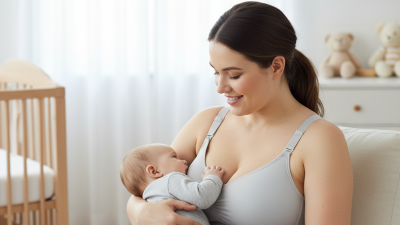
    During pregnancy, breast changes can begin before the bump becomes visible. NHS guidance reports that breasts may grow by at least one cup size. Some people change more. Others notice mainly a wider ribcage.

    A plus size pregnancy bra should support fuller breasts without squeezing them. Measure your underbust while standing naturally, then measure the fullest part of your bust. Do not pull the tape tightly. Pregnancy hormones can make breasts feel tender, heavy, or uneven from one week to the next.

    Fit matters more than the label.

    Choose a firm but comfortable band that sits level across your back. It should not ride upward when you move. The cups should hold all breast tissue, with no spilling near the neckline or underarm. Adjustable straps can reduce shoulder pressure, especially with a heavier bust. Wide, soft straps often feel kinder during long workdays.

    Leave room for change.

    A bra with several hook settings can adapt as your ribcage expands. Stretch fabric may help, but excessive looseness can reduce support. I once assumed a larger cup always meant better comfort; it did not. The band was too loose, so the straps carried the weight.

    Check the fit again after a few weeks. Swelling, tenderness, and milk leakage can alter comfort quickly. If pain, a hard area, unusual discharge, or sudden swelling appears, contact a qualified healthcare professional.

    Measure Fit Precisely: ISO 8559-2 Underbust and Bust Measurements in Centimeters

    A plus size pregnancy bra supports changing breasts with wider bands, deeper cups, and adjustable straps. Fit should begin with centimeters, not a familiar letter size. ISO 8559-2:2017 defines consistent garment body-measurement methods, including underbust and bust reference points. This improves communication between shoppers, fitters, and manufacturers.

    Stand upright, breathe normally, and keep the tape level beneath the breasts. Record the underbust measurement in centimeters after a gentle exhale. Then measure the fullest bust area, keeping the tape comfortably loose. Do not compress breast tissue.

    The difference between bust and underbust helps estimate cup volume, but it is not a universal conversion. A 2023 U.S. National Vital Statistics report recorded about 3.6 million births, showing the scale of changing pregnancy needs. Yet size charts still vary widely. That is the frustrating part.

    Tips: Measure twice, preferably at different times of day. Pregnancy swelling can change the result. Wear a thin, non-padded bra, or measure without one. Check the band first: it should sit level across your back without digging. The cups should contain breast tissue without wrinkles or overflow. Leave room for adjustment. I have found that many fitting errors come from pulling the tape too tightly, not from choosing the wrong bra. A professional fitting can help when measurements seem inconsistent. Recheck after each trimester, because one measurement may not represent the whole pregnancy.

    Evaluate Support: Four Professional Fit Checks for Plus-Size Maternity Bras

    A plus-size pregnancy bra is designed for a fuller bust and a changing ribcage during pregnancy. It usually offers wider straps, deeper cups, and a stronger, flexible band. Fit matters more than the label. I have seen bras feel supportive in the morning, then restrictive after lunch as swelling increases.

    Check one: assess the band. It should sit level across your back without riding upward. Slide two fingers beneath it. More space may indicate a poor fit. The band should feel firm, not crushing.

    Check two: inspect the cups. Breast tissue should remain fully inside, with no spilling near the armpits or neckline. Wrinkled fabric can also signal an oversized cup. Pregnancy changes are uneven, so one breast may need more room.

    Check three: test the straps and center panel. Straps should stay flat without digging into your shoulders. The center panel should rest against your breastbone, if underwire remains comfortable. Some wearers prefer wire-free styles when tenderness increases.

    Check four: move naturally. Raise both arms, bend forward, and take several deep breaths. The bra should remain stable without pinching or shifting. Try it while seated, too. That detail is easy to miss. Pain, numbness, or red marks lasting beyond a short period deserve attention from a qualified bra fitter or healthcare professional. I would not ignore discomfort just because the size appears correct.

    Compare Features: Four-Row Hook Systems, Stretch Panels, and Nursing Access

    A plus size pregnancy bra is designed for changing breasts, a wider rib cage, and heavier support needs. It should feel firm, not restrictive. The band must sit level around your back. A reliable fit leaves room for two fingers beneath the band, while cups should contain breast tissue without spilling. ACOG notes that breast and rib-cage changes commonly occur during pregnancy, so one fitting may not remain accurate.

    Compare the fastening system carefully. Four-row hook systems offer adjustable band depth as the body changes. Use the loosest row early, then move inward when the band stretches. Stretch panels across the upper cup can follow breast growth without sharp pressure. However, excessive stretch may reduce support during walking or lifting. That trade-off is easy to miss. Wide straps, a stable underband, and side panels can improve comfort, especially for fuller busts.

    Nursing access matters after delivery. Drop-down cups allow one-handed opening, while wider openings expose more of the breast. The CDC Breastfeeding Report Card reports that 83.2% of U.S. infants born in 2019 were ever breastfed, showing why practical access deserves attention. Test the clasp while seated, since feeding often happens at night or in a chair. Check that the cup stays open without pulling the neck. No fit chart replaces movement. Raise your arms, bend forward, and notice shifting. I would not treat “seamless” as automatically supportive; construction still matters.