Get a quote today!
  •               247187193@qq.com
  • 15770667897  
  • Leave Your Message

    China Top 10 Nursing Bra Manufacturers for Breastfeeding

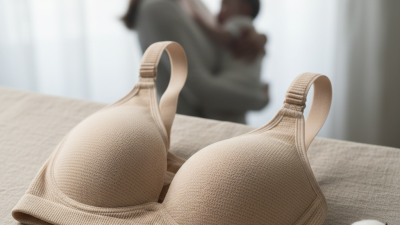
    Choosing a nursing bra is a daily comfort decision, not merely a style preference. A seam can rub against sensitive skin; a tight band may feel worse during a long feeding session. That is why Nursing Bra Breastfeeding products deserve careful comparison across fabric, fit, access, and support. The CDC’s 2024 Breastfeeding Report Card reports that 83.2% of infants born in 2021 had ever been breastfed, while 55.8% were still receiving breast milk at six months. These figures show how many families may rely on practical feeding garments, though they do not measure bra demand directly.

    Market context matters, too. Grand View Research estimated the global maternity-wear market at about US$12.2 billion in 2023. That broad category includes more than nursing bras, so it should not be mistaken for a nursing-bra sales figure. Breastfeeding expert Dr. Jack Newman has described breastfeeding as “not just a way of feeding a baby, but also a way of mothering.” The perspective is useful, but fit still varies from person to person. A product page cannot tell you whether a clasp opens smoothly with one hand or whether a band stays comfortable after hours of wear. This guide introduces ten manufacturers and looks at materials, construction, sizing, and feeding access. The evidence is helpful. It is not a substitute for trying on a bra.
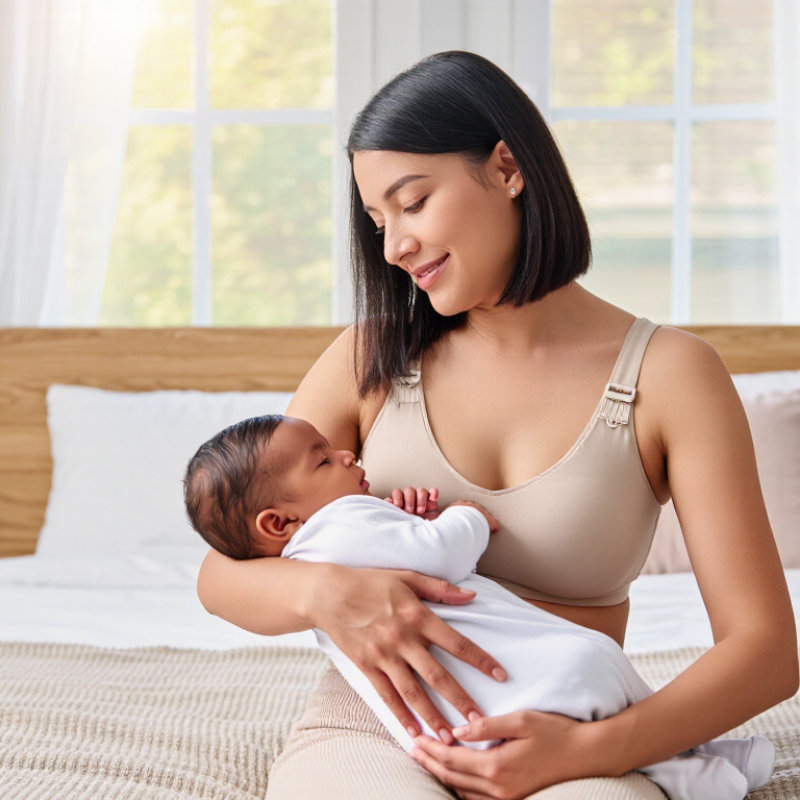
    China Top 10 Nursing Bra Manufacturers for Breastfeeding

    Understanding Nursing Bras and Their Role in Breastfeeding

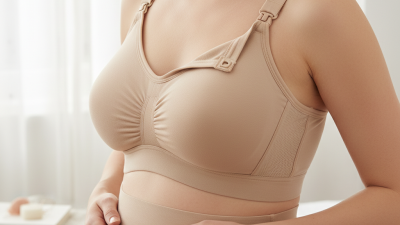
    A nursing bra supports practical access during feeding or pumping; it does not increase milk supply or guarantee comfort. Its role is simpler: soft cups, adjustable straps, and easy-open panels can make frequent feeds less awkward. WHO recommends exclusive breastfeeding for the first six months, then continued breastfeeding alongside complementary foods. That can mean many daily changes in fit and routine. Comfort matters.

    WHO and UNICEF’s 2023 Global Breastfeeding Scorecard estimated that 48% of infants under six months worldwide were exclusively breastfed. The figure reflects many influences, not clothing alone. A bra should fit without digging into the shoulders or pressing tightly across the breast. Swelling can change fit, sometimes within a day. A bra that felt fine last week may not feel fine now. That part is easy to overlook.

    Tips: Try the bra while seated, and open each cup with one hand. Check for pinching, rubbing, or firm pressure after a few minutes. Choose breathable fabric and adjustable sizing, especially as the body changes. If a particular style feels uncomfortable, switch it; there is no single best design. A nursing bra cannot solve every latch or feeding concern.

    China Top 10 Nursing Bra Manufacturers for Breastfeeding - Understanding Nursing Bras and Their Role in Breastfeeding

    No. Nursing Bra Feature What to Look For Role in Breastfeeding Practical Consideration
    1 One-handed nursing access Clips, pull-aside panels, or another opening that can be managed with one hand. Allows the cup to be opened for feeding while the other hand supports or holds the baby. Try opening and closing the fastening before use to check that it is convenient and secure.
    2 Adjustable band A comfortable underband with several hook-and-eye positions, or a flexible band design. Helps the bra accommodate changes in fit during pregnancy and the postpartum period. The band should feel supportive without restricting breathing or leaving persistent pressure marks.
    3 Adjustable shoulder straps Straps with enough adjustment to maintain a stable fit without digging into the shoulders. Helps keep the bra in place when cups are opened for feeding. Straps should not be relied on to compensate for a band that is too loose.
    4 Stretch and recovery Fabric that stretches comfortably and returns to shape after movement and washing. Accommodates normal breast-size fluctuations while helping the bra retain support. Check care instructions, since washing and drying methods can affect fabric longevity.
    5 Soft, breathable fabric A smooth fabric with a comfortable hand feel and suitable breathability for everyday wear. Supports comfort during extended wear and frequent feeding. Fabric preference varies; check for seams, labels, or trims that may irritate sensitive skin.
    6 Wire-free construction A supportive design without an underwire pressing against breast tissue. Can provide a flexible option for people who prefer less rigid structure while nursing. Fit matters: any bra that causes localized pressure or discomfort should be reassessed.
    7 Full cup coverage Cups that contain breast tissue comfortably without cutting in at the top or sides. Provides coverage and helps keep nursing pads in position when used. Recheck fit as the body changes; a cup that is too small may feel restrictive.
    8 Nursing-pad compatibility Cups with enough room for reusable or disposable nursing pads without bunching. Can help hold pads in place to absorb occasional breast-milk leakage. Pads are optional and should be changed when damp to help keep the skin comfortable.
    9 Easy-care construction Durable stitching and care instructions suited to regular laundering. Useful for a garment that may be worn frequently and washed often. Follow the garment label; a laundry bag and gentle cycle may help protect delicate fastenings.
    10 Fit and comfort checks A fit that feels supportive, with no painful pressure, pinching, or persistent tightness. Comfort supports practical use during feeding and day-to-day activities. Breast size and shape can change; seek advice from a qualified healthcare professional for persistent pain or concerns.

    This comparison summarizes general nursing-bra features and breastfeeding-related uses; it is not a manufacturer ranking or a substitute for individualized fitting or medical advice.
    How China’s Nursing Bra Manufacturing Industry Is Organized

    China’s nursing-bra supply chain is usually built around specialized stages, not one factory doing everything. Knitting mills supply stretch fabrics; dye houses handle color; trim suppliers provide nursing clips, elastics, and sliders. Bra factories then develop patterns, sew samples, grade sizes, and manage bulk production. Some factories focus on contract manufacturing, while others offer product development and sourcing. Not every supplier is equally integrated.

    This structure reflects a wider garment sector. China’s National Bureau of Statistics reported that output from above-designated-size garment enterprises declined 8.7% in 2023. The figure covers garments broadly, not nursing bras specifically, so it should not be treated as a nursing-bra market estimate. For buyers, the practical implication is that capacity can differ sharply by process: a sewing line may be available while molded-cup development or specialist fabric testing is outsourced.

    A capable supplier should explain who controls each step. Ask to see a sample room, fabric and trim records, and test results for stretch recovery and wash durability. Check how staff assess nursing access, band pressure, and fit across sizes. Small details matter. A clip that opens smoothly on a mannequin may be awkward during feeding. One limitation remains: published industry data rarely separates nursing bras from general underwear, making factory-level verification especially important.

    Criteria for Evaluating China’s Nursing Bra Manufacturers

    Choosing a Chinese nursing-bra manufacturer requires more than comparing sample prices. Test garments on people, not only mannequins. Check whether nursing clips open with one hand, straps stay secure, and seams feel soft against skin. Small details matter. Request size-graded samples, fabric specifications, wash-test records, and written defect limits before approving bulk production.

    Material traceability deserves equal weight. Textile Exchange’s Materials Market Report 2024 estimates that global fiber production reached 124 million tonnes in 2023. That scale makes clear fiber records essential. Ask for composition declarations, supplier-chain documentation, and test results covering colorfastness, pilling, and skin-contact safety. Confirm which laboratory performed each test and whether results apply to the exact fabric being ordered. A certificate alone may not cover every batch.

    Verify production capacity against machinery, staffing, and past lead times, rather than a polished showroom. Request a pilot run and inspect random pieces for stitching, closures, and feeding-panel function. Factory documents cannot predict comfort for every body or nursing routine. Keep fit feedback in the approval process, even when it means revising a sample.

    Profiles of 10 Leading Nursing Bra Manufacturers in China

    China’s nursing bra manufacturers vary in their strengths, from fabric sourcing to sample development. A useful profile looks beyond factory size. It checks adjustable straps, one-handed nursing clips, and cup panels that open without twisting. Small details matter.

    Among ten manufacturer profiles, some focus on seamless knitting for smooth, low-bulk cups. Others specialize in cotton-rich everyday styles, with soft inner seams and breathable linings. A few offer flexible sampling for changing cup shapes, while larger production teams may handle repeat orders more efficiently. Several suppliers also support custom colors, labels, and packaging. These are capabilities to verify, not assumptions to make.

    Ask each manufacturer how it tests stretch recovery after repeated washing. Request fabric details, sample measurements, and clear production timelines. Inspect clip strength and stitching around the nursing opening; a neat sample can still hide weak construction. Not every factory will suit every buyer. Some communicate quickly but provide limited technical detail. Others have strong specifications but slower sampling. That trade-off deserves attention. A reliable profile should include documented quality checks, realistic minimum order quantities, and direct answers about changes between samples and bulk production.

    How to Choose a Manufacturer for Your Business Needs

    Choosing a nursing bra manufacturer starts with a clear product brief, not a price list. Define the size range, fabric composition, cup access, support level, and target cost. Request a sample made with the intended fabric and trims. A polished photo cannot show whether a clasp opens one-handed or elastic feels tight after several hours. Test fit across different body shapes, if possible. Fit matters.

    Ask for written details on minimum order quantities, sample fees, lead times, labeling, and repeat-order capacity. Compare quotations line by line. A low unit price may exclude packaging or custom grading. Ask how the factory checks stitching, hook-and-eye strength, strap adjustment, and color consistency between production lots. Request inspection records or a clear process for handling defects. Small details add up.

    Communication is part of quality. Share a marked-up technical pack, confirm measurement tolerances, and keep decisions in writing. Ask who will notify you about fabric delays and how changes affect cost or delivery. A video call may show the workspace, but it cannot replace reviewing a physical sample. Check references for intimate apparel experience, not only general garment production. Some expectations may change after the first fitting, so allow time and budget for adjustments. The best partner is not always the cheapest; the right choice depends on your customers, margins, and tolerance for production risk.