Top 10 Comfort Bras for Global Buyers in 2026?
In the evolving landscape of women's lingerie, "Comfort Bras" have emerged as a staple for many. According to Dr. Emily Carter, a recognized expert in textile technology, “The right bra can enhance both comfort and confidence.” As more women prioritize comfort without sacrificing style, the demand for innovative designs is growing.
As we approach 2026, global buyers are increasingly interested in bras that offer unparalleled comfort and support. Traditional notions of lingerie are shifting; consumers seek versatile options that adapt to their lifestyles. Companies are responding by developing bras with advanced materials and ergonomic designs.
However, not all comfort bras are created equal. Finding the perfect fit remains a challenge for many shoppers. Some may struggle with sizing inconsistencies or lack of options for different body types. The journey to comfort is not always straightforward, but it is essential for empowerment and self-expression.
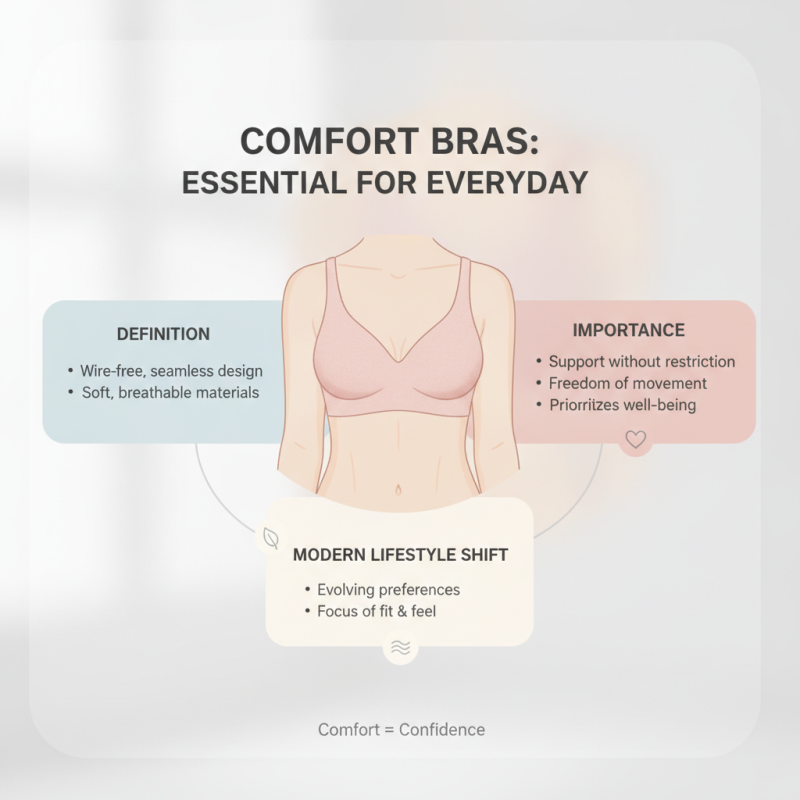
Overview of Comfort Bras: Definition and Importance
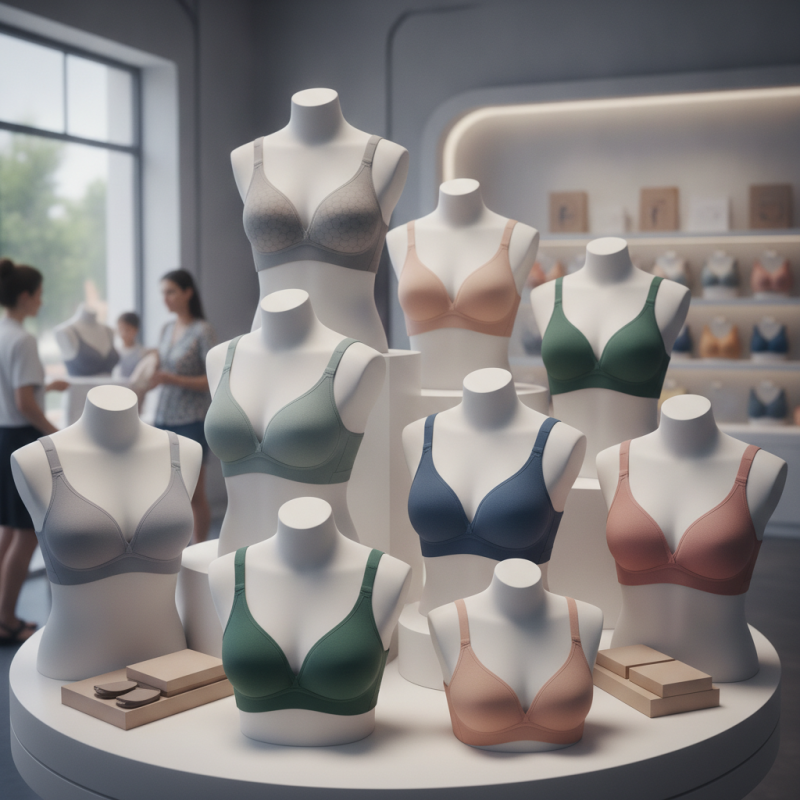
Comfort bras have become essential for everyday wear. They provide support while allowing freedom of movement. As lifestyles evolve, so do preferences for comfort. Many women seek bras that prioritize body comfort over conventional aesthetics. This shift reflects a deeper understanding of fit, materials, and design.
The importance of comfort bras lies in their ability to cater to diverse body shapes. They often feature soft fabrics and flexible designs. This makes them suitable for various activities, from work to exercise. However, not every comfort bra may fit perfectly. Sizing issues can lead to disappointment. Finding the right fit requires patience and experimenting with different styles.
Additionally, comfort bras can impact one's mood and confidence. Wearing a well-fitting bra can enhance self-esteem. Yet, many women struggle to find what works for them. It’s a personal journey that may involve some trial and error. Understanding one's own body and needs is key to this process. The quest for the perfect comfort bra is ongoing.
Factors to Consider When Selecting a Comfort Bra
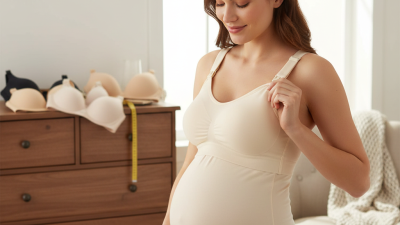
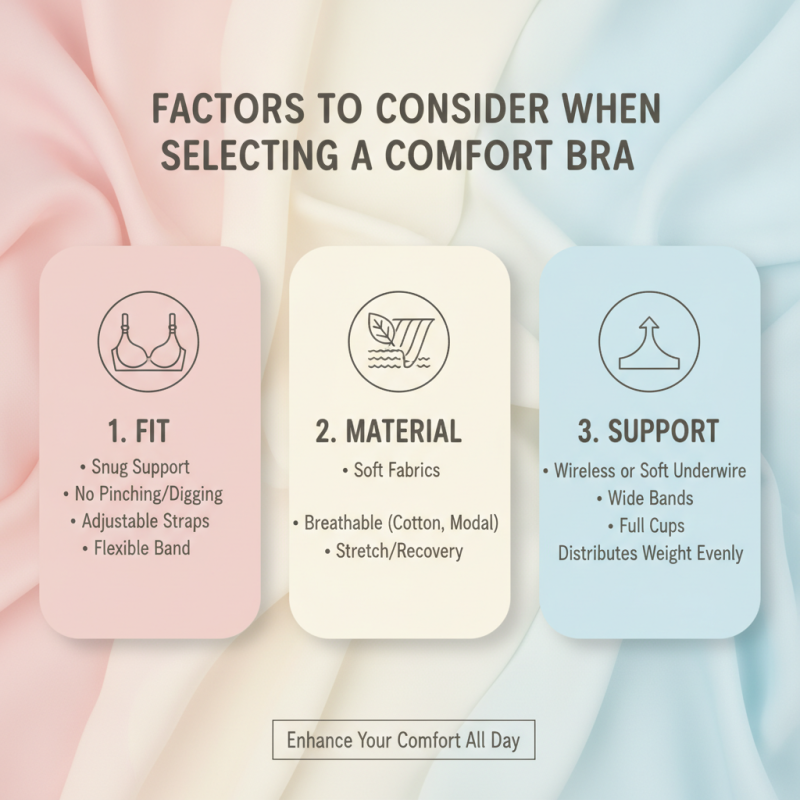
When selecting a comfort bra, consider fit, material, and support. A well-fitted bra is essential. It should snugly support without pinching or digging into your skin. Check for adjustable straps and a flexible band. These features enhance your comfort throughout the day.
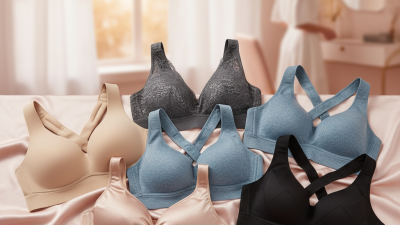
Material matters as well. Look for breathable fabrics that stretch with your body. Cotton blends or lightweight micromodal often provide the softest experience. Avoid stiff materials that may cause irritation. Pay attention to the seams as well. Flat seams reduce chafing, making a significant difference in long-term wear.
Tips: Always try on bras before buying. The right size can vary across styles. Don't hesitate to test different brands to find your perfect match. Lastly, consider your daily activities. A bra for lounging may differ from one for workouts. Tailor your choice to your lifestyle for the best comfort.
Top 10 Comfort Bra Brands in 2026: A Comparative Analysis
As we move towards 2026, the comfort bra market continues to evolve. Analysts project a steady growth rate of 6.7% per year, reflecting increasing consumer demand for comfort and support. The global intimate apparel market, valued at approximately $42 billion in 2022, is shifting towards brands specializing in comfort features.
In 2026, comfort bra brands will face the challenge of balancing quality and affordability. Many consumers lean towards sustainable materials. Reports indicate that 50% of shoppers are willing to pay more for eco-friendly options. This highlights the growing trend of environmental awareness among buyers. However, brands must ensure that these sustainable practices do not compromise comfort or design.
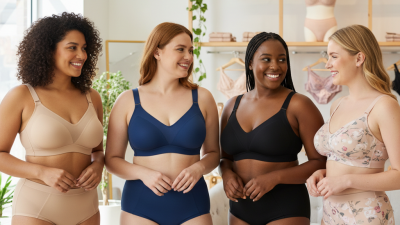
Innovative designs play a crucial role in consumer preferences. Brands that excel in offering adjustable fit and seamless styles often lead the market. Yet, the industry still faces criticism over size inclusivity. Many shoppers report frustration with limited size ranges, signaling an area for improvement. The desire for diversity in style and fit remains vital for brands aiming to capture a broader audience.
User Reviews and Ratings of Comfort Bras Globally
When looking for comfort bras in 2026, user reviews and ratings play a crucial role. A recent survey from the Intimates Industry Report indicated that 72% of women prioritize comfort over style when selecting bras. Customer feedback can highlight specific features that enhance comfort, such as adjustable straps and seamless designs.
Many users report issues with finding the right size. A notable 65% expressed frustration with inconsistent sizing across different brands. It’s clear that standardization could improve user experience. Reviews often mention the softness of fabric and breathability as key factors in comfort. Ratings that emphasize these elements can guide buyers toward better choices.
Tips for choosing the right comfort bra: always check user reviews for insights on fit and longevity. Look for materials that offer stretch but retain shape. Also, consider customer ratings as a quick reference to avoid brands known for discomfort. Ultimately, personal comfort can vary widely, so finding a bra that meets individual needs is essential.
Trends in Comfort Bras: Innovations and Future Directions
The comfort bra market is evolving rapidly, driven by innovations. A recent report from the International Textile and Apparel Association highlighted a 30% increase in consumer interest for adjustable and adaptable bras by 2026. This trend reflects a shift towards versatility in undergarments, allowing wearers to personalize their fit based on daily needs.
Materials play a crucial role in comfort. Recent advancements in fabric technology introduced breathable and moisture-wicking materials, enhancing wearability during different activities. According to a report by Market Research Future, 45% of consumers reported improved comfort levels with these materials. However, not all consumers find their desired fit. This discrepancy indicates a need for brands to focus on more inclusive sizing options and designs that cater to diverse body shapes.
The integration of smart technologies is another emerging trend. Wearable tech embedded in bras can monitor health metrics like heart rate and posture. This concept has drawn both excitement and skepticism. There are questions surrounding data privacy and consumer acceptance. As companies innovate, balancing comfort, technology, and user privacy becomes essential for success in this evolving market.