Top 10 China Normal Bra Suppliers for Global Buyers?
In the competitive landscape of the lingerie industry, China has emerged as a significant player in the production of Normal Bras. Industry expert, Dr. Anna Liu, emphasized, "Quality and design are essential in meeting global buyers' needs." This statement underscores the importance of understanding market demands and consumer preferences when selecting suppliers.
Navigating the vast network of bra manufacturers can be overwhelming. Buyers need to identify suppliers who prioritize quality, innovation, and reliability. The Normal Bra market reflects diverse styles and materials that cater to various demographics. It’s critical to ensure that the suppliers have a solid reputation for delivering products that meet international standards. Some suppliers, while offering competitive prices, may compromise on quality.
Evaluating potential partners involves looking beyond product offerings. It requires a thorough examination of their production processes and ethical practices. As buyers seek to forge long-lasting relationships, they must be aware of their own sustainability goals and the impact of their choices within this global market. Balancing these factors is vital for successful sourcing of Normal Bras.

Top 10 China Normal Bra Suppliers: Overview of Market Trends and Data
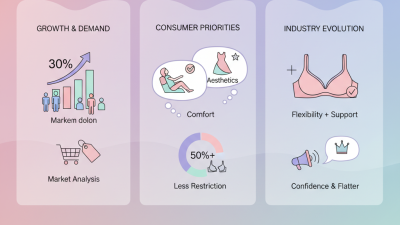
The market for normal bras in China continues to evolve. Data shows a steady increase in demand globally, spurred by changing consumer preferences and fashion trends. Many buyers now seek sustainable materials. This shift urges suppliers to adopt eco-friendly practices. But not every supplier has adapted. Some still rely on traditional materials, risking consumer trust.
Competition remains fierce among manufacturers. Established players dominate the market, while new entrants struggle to gain traction. The emphasis on quality is crucial. Buyers often report dissatisfaction with inconsistent sizing and fit from manufacturers. This inconsistency can undermine brand loyalty. Investing in quality control becomes essential for suppliers wanting to stand out.
Understanding consumer needs offers suppliers a roadmap for success. Personalized designs and inclusive sizing are increasingly important. However, not all suppliers effectively respond to these trends. Many miss opportunities by failing to innovate. The gap between consumer expectations and product offerings persists. Suppliers can improve by actively engaging with their customer base and incorporating feedback.
Evaluating the Quality Standards of Leading Bra Manufacturers in China
In the global lingerie market, China stands out as a significant supplier of normal bras. A recent industry report highlights that China's intimate apparel production accounts for approximately 22% of global output. This staggering figure reflects the efficiency and scalability of Chinese manufacturers. However, not all suppliers maintain the same quality standards, which poses a risk for buyers.
Quality control is essential in the production of bras. Many manufacturers adhere to ISO certifications, ensuring their products meet international safety and quality benchmarks. Yet, discrepancies often arise. For instance, an alarming 30% of sampled products from various suppliers failed to meet basic comfort and durability tests. This inconsistency suggests the need for thorough evaluations and inspections before procurement.
Furthermore, sustainability is becoming a growing focus in the industry. Reports indicate that nearly 60% of consumers prefer eco-friendly products. However, few Chinese manufacturers have fully adopted sustainable practices. This gap presents an opportunity for improvement. Buyers should seek manufacturers committed to environmental responsibility while ensuring they meet rigorous quality standards.
Analysis of Export Data: China’s Contribution to the Global Bra Market
China has become a significant player in the global bra market, with data indicating that its exports reached approximately $8 billion in the past year. This tremendous figure showcases China's growing influence and capability in the lingerie industry. The country accounts for nearly 30% of the global market share, highlighting its importance as a supplier. Key factors like cost-effective production, skilled labor, and advanced manufacturing technology contribute to this growth.
In terms of export data, the average price per bra exported from China is around $3.15. This price point is competitive, especially compared to alternatives from other countries. However, this raises questions about sustainability and quality. There are concerns regarding how low prices may affect manufacturing standards. It's vital for global buyers to carefully consider these elements when sourcing products.
Furthermore, China’s bra exports vary widely based on styles and materials. Over 60% of the exported bras are made of synthetic fabrics. This reliance on synthetics underscores a need for reflection on eco-friendly practices. As the demand for sustainable products rises, suppliers may face challenges. Balancing cost, quality, and sustainability remains a pivotal issue in the industry.
Top 10 China Normal Bra Suppliers for Global Buyers
| Rank |
Supplier Country |
Export Volume (units) |
Market Share (%) |
Major Export Regions |
| 1 |
China |
50,000,000 |
30% |
North America, Europe |
| 2 |
Vietnam |
40,000,000 |
25% |
Asia, Europe |
| 3 |
Bangladesh |
35,000,000 |
20% |
Europe, North America |
| 4 |
India |
25,000,000 |
15% |
Middle East, Asia |
| 5 |
Sri Lanka |
20,000,000 |
10% |
Europe, North America |
| 6 |
Pakistan |
15,000,000 |
5% |
Asia, Africa |
| 7 |
Cambodia |
10,000,000 |
3% |
Asia, North America |
| 8 |
Turkey |
8,000,000 |
2% |
Europe, Asia |
| 9 |
Thailand |
5,000,000 |
2% |
Asia, Oceania |
| 10 |
Philippines |
3,000,000 |
1% |
North America, Asia |
Emerging Technologies in Bra Production by Top Chinese Suppliers
Emerging technologies in bra production are reshaping the landscape of the apparel industry. Many Chinese suppliers are adopting innovative techniques to enhance design, comfort, and functionality. For instance, 3D knitting machines are becoming popular. They allow for seamless construction, improving fit and reducing fabric waste. Enhanced moisture-wicking fabrics are also gaining traction. These materials increase comfort by keeping the wearer dry throughout the day.
In addition to fabric innovations, automation is transforming production efficiency. Automated cutting and sewing processes minimize labor costs and increase precision. This technology enables suppliers to respond quickly to market demands. However, reliance on automation can lead to challenges in maintaining quality. Human oversight remains crucial to ensure that each piece meets high standards.
Sustainability is another critical focus area. Many suppliers are exploring eco-friendly materials and production methods. Biodegradable fabrics are being developed to reduce environmental impact. These advances underscore a shift toward responsible manufacturing practices. However, the journey towards fully sustainable production is ongoing. Many challenges remain in sourcing materials and reducing waste. Overall, the evolution of technology in bra production opens new possibilities while inviting reflection on the industry's future.
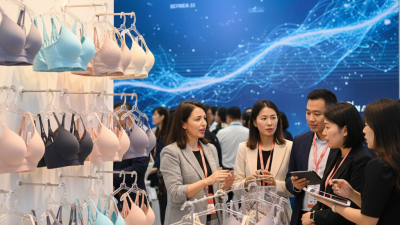
Top 10 China Normal Bra Suppliers - Production Capabilities
Buyer Insights: Selecting the Right Supplier for Normal Bras in China
When choosing suppliers for normal bras in China, understanding the market dynamics is crucial. According to recent industry reports, the global lingerie market is expected to reach over $44 billion by 2025, with a significant share from China. This growth means more competition among suppliers. It’s essential to identify those who can meet your quality and design standards.
Communication is key. Engaging with potential suppliers can reveal their commitment to quality and responsiveness. Research suggests that buyers who invest time in pre-selection conversations greatly improve their satisfaction rates post-purchase. Brands should also ensure their suppliers comply with international quality standards, as deficiencies can harm reputation. Some reports indicate up to 30% of returns are due to quality issues.
Consider conducting on-site audits. This practice, while potentially expensive, can prevent significant issues in the long run. Look for suppliers that offer sample products before bulk orders. Testing quality firsthand cannot be overstated. A recent survey found that 40% of buyers who utilized this step reported better alignment with supplier capabilities. Balancing cost and quality is often a challenge, yet it's vital for sustainable business growth.