Choosing a bra should feel practical, personal, and surprisingly simple. Yet global buyers often face confusing size charts, unfamiliar fabrics, and different support expectations. This guide introduces the Top 10 Types of Comfortable Supportive Bras for Global Buyers, with attention to fit, movement, construction, and everyday comfort.
Jene Luciani, a bra-fit expert and author of The Bra Book, offers a useful fitting principle: “The best bra is the one you forget you’re wearing.” That idea shapes every category discussed here. A supportive bra should hold the bust securely without painful straps, sharp wires, or restrictive bands. The band should sit level across the back. Cups should contain the breast tissue without cutting into it. Small details matter, including breathable microfiber, smooth seams, adjustable straps, and sturdy hooks.
Comfortable Supportive Bra designs vary widely. Wireless bras may suit relaxed days, while full-coverage styles can provide stronger control. Minimizer, sports, nursing, front-closure, and posture-support bras serve different needs. T-shirt bras reduce visible lines under thin clothing. Some buyers may prefer light padding, while others may find it too warm.
Fit is not universal. Bodies change.
Sizing also differs between brands and regions. Measuring helps, but it cannot replace movement testing. Raise your arms, sit down, and check the band after several minutes. I admit that even careful guides can oversimplify real bodies. A style praised for comfort may still fail someone with sensitive skin or uneven breast volume. Treat this list as informed guidance, not a rigid rule. Reliable sellers should provide clear measurements, fabric details, care instructions, and fair return information.
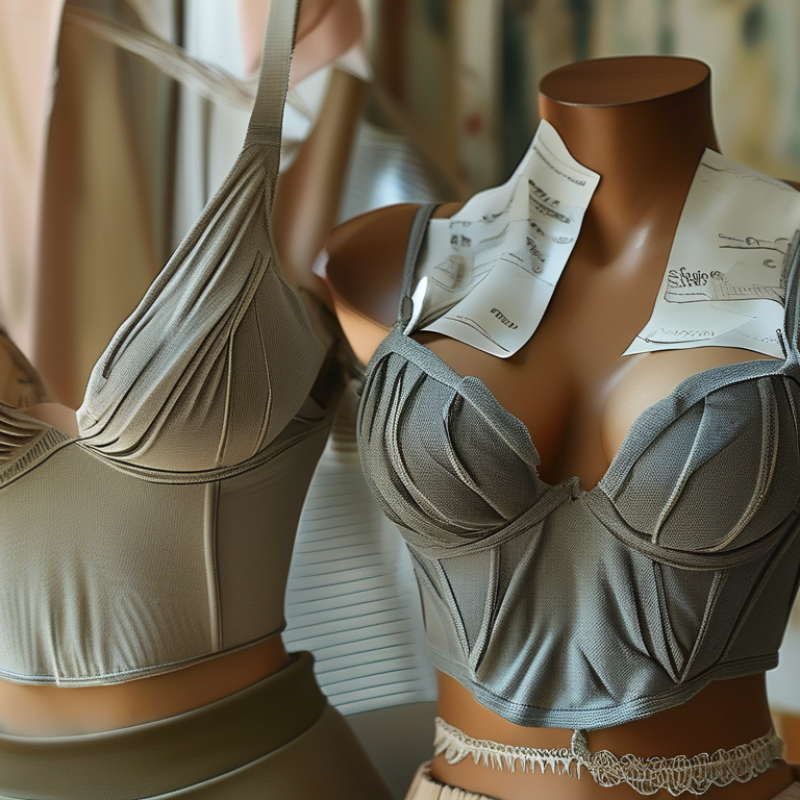
The global lingerie market reached USD 91.25 billion in 2023, according to Grand View Research. This scale reflects changing priorities: shoppers want support, softness, and reliable fit. Comfort is no longer a minor feature.
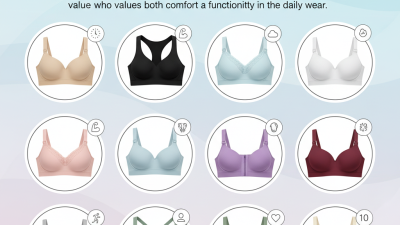
For global buyers, the top ten supportive choices include wireless bras, full-coverage bras, T-shirt bras, sports bras, minimizer bras, front-closure bras, longline bras, nursing bras, posture-support bras, and soft-cup bralettes. Each serves a different body need.
Wide straps can reduce shoulder pressure. A three-row hook system allows small fit adjustments. Breathable mesh helps during humid travel.
However, “supportive” does not always mean comfortable. A firm band may feel secure in a fitting room but restrictive after eight hours.
Grand View Research also identifies product innovation and online retail as important market influences. Meanwhile, textile industry testing guidance commonly evaluates stretch recovery, colorfastness, seam strength, and fiber safety.
Buyers should request measurable specifications, not vague comfort claims. Check band elasticity after repeated washing. Inspect underwire channels for rough edges. Ask for size charts based on actual measurements.
A useful detail is often missed: cup shape can matter more than the labeled size. Fit remains imperfect. Even professional recommendations need adjustment for posture, climate, breast shape, and daily movement.
Top 10 Types of Comfortable Supportive Bras for Global Buyers
Comfort begins with support, not softness alone. A bra should spread breast weight across the cups, straps, and band. Encapsulation cups separate and support each breast, while compression styles hold tissue closer to the chest. Research by McGhee and Steele found that well-designed sports bras can reduce breast movement by about 74% during exercise. That figure matters, but daily comfort requires more than motion control.
Band construction often decides whether support feels secure or restrictive. A wide, firm band distributes pressure across the ribcage. Three or four rows of hooks allow adjustment as the body changes. Side panels can reduce shifting, especially in full-coverage and plus-size designs. However, a tighter band is not automatically better. It may leave red marks, create heat, or encourage shallow breathing. Fit testing remains essential.
Global buyers should examine fabric recovery, seam placement, and cup depth. A 2024 Grand View Research report estimates the global lingerie market will continue expanding through 2030, increasing demand for varied fit solutions. That growth does not guarantee comfort. Materials with moisture management can help in humid climates, while brushed elastics may feel gentler against sensitive skin. Yet “seamless” construction can still roll or lose support. Comfort is personal, sometimes inconsistent, and easy to overstate.
How Support, Coverage, and Band Construction Define Bra Comfort
This comparative design scale reflects the typical characteristics of each bra type: support from structural features such as underwire, molded cups, compression, and wider straps; coverage from cup height and neckline design; and band construction from features such as wider bands, reinforced panels, adjustable closures, and longline extensions. Scores are indicative design ratings rather than laboratory measurements.
Top 10 Types of Comfortable Supportive Bras for Global Buyers
Top 10 Supportive Bra Types by Use, Structure, and Activity Level
Support needs change with movement, clothing, and body shape. Everyday wireless bras suit relaxed workdays, while lightly lined T-shirt bras reduce visible outlines under fitted tops. Full-coverage bras can stabilize fuller busts with wider straps and deeper side panels. Minimizer bras redistribute breast tissue, although some wearers may find their compression restrictive. Longline bras add support below the bust and can feel secure beneath dresses. They may also feel warm in humid climates.
For exercise, low-impact bralettes work for walking, stretching, and gentle yoga. Medium-impact encapsulation bras separate and support each breast during cycling or strength training. High-impact compression bras limit movement during running, but the fit must not restrict breathing. Front-closure bras help users with limited shoulder mobility, while nursing bras offer flexible cups and easy access. Posture-support bras use structured back panels; they should encourage alignment without forcing the shoulders backward. Fit matters more than labels. Really matters.
When comparing these ten types, check band firmness, strap adjustment, cup coverage, seam placement, and fabric recovery. A band should stay level after movement, not ride upward. I have found that soft fabric alone does not guarantee comfort. Some “supportive” designs dig into the ribs after several hours. Measurement charts are useful, but they cannot replace trying the bra while sitting, walking, and reaching. A small fit mistake can become a long workday problem.
| No. | Bra Type | Primary Use | Support Structure | Recommended Activity Level | Comfort Features | Support Level | Best Suited For | Important Buying Considerations |
|---|---|---|---|---|---|---|---|---|
| 1 | Wireless Comfort Bra | Everyday wear, travel, and relaxed home use | Wide underbust band, shaped cups, and sewn-in or removable support panels without an underwire | Low to moderate | Soft stretch fabric, smooth seams, wide straps, and flexible fit | Light to medium | Buyers prioritizing freedom of movement and reduced pressure from wires | Check band stability, cup coverage, strap adjustability, and support for larger cup volumes |
| 2 | T-Shirt Bra | Daily outfits worn under fitted or lightweight tops | Molded or lightly lined cups with a smooth outer surface and supportive band | Low to moderate | Seamless-looking cups, cushioned straps, breathable lining, and stable side panels | Medium | Office wear, casual clothing, and smooth layering | Molded cups may retain heat; verify cup depth and whether the shape suits the wearer’s breast profile |
| 3 | Full-Coverage Support Bra | Long workdays, fuller bust support, and secure everyday wear | Higher cups, reinforced side panels, broad band, and adjustable straps; may include an underwire | Low to moderate | Reduced spillover, wider straps, firm band, and structured cup construction | Medium to high | People seeking coverage, separation, and dependable daily support | A firm band should sit level without restricting breathing; accurate measurements are especially important |
| 4 | Low-Impact Sports Bra | Yoga, walking, stretching, Pilates, and light gym sessions | Light compression, flexible cups, racerback or cross-back construction, and moisture-managing fabric | Low impact | Soft elastic, breathable panels, minimal hardware, and unrestricted shoulder movement | Light to medium | Gentle movement and users who dislike highly restrictive compression | Not intended for running or repeated jumping; assess sweat management and band recovery |
| 5 | Medium-Impact Sports Bra | Cycling, brisk walking, hiking, dance, and strength training | Moderate compression or encapsulation, supportive cups, wide underband, and adjustable straps | Moderate impact | Moisture-wicking fabric, breathable mesh, chafe-resistant seams, and secure closures | Medium to high | Active users needing a balance between movement control and comfort | Look for stable bounce control without excessive chest compression or shoulder pressure |
| 6 | High-Impact Encapsulation Sports Bra | Running, aerobics, court sports, and repeated jumping | Separate encapsulated cups, firm underband, adjustable straps, and sometimes a front or back clasp | High impact | Structured support, breathable zones, padded straps, and anti-chafing finishes | High | Runners and athletes requiring strong bounce reduction and individual cup support | Prioritize correct band fit, cup containment, strap adjustment, and comfortable range of motion |
| 7 | Front-Closure Support Bra | Easy dressing, limited hand mobility, and practical everyday use | Front hook-and-eye, zipper, or clasp closure combined with a wide band and shaped cups | Low to moderate | Simplified dressing, soft lining, accessible closure, and broad shoulder straps | Light to high, depending on construction | Older adults, post-treatment users, and people preferring front access | Check closure security, skin comfort, adjustability, and whether the front hardware lies flat |
| 8 | Longline Bra | Extra torso stability, layering, and low-impact movement | Extended underbust band reaching farther down the rib cage, often with molded or seamed cups | Low to moderate | Distributed pressure, reduced band rolling, wider coverage, and smooth layering options | Medium | Users wanting additional abdominal or rib-cage coverage and a stable fit | Review length, heat retention, lower-edge grip, and compatibility with the wearer’s clothing |
| 9 | Nursing and Maternity Bra | Pregnancy, breastfeeding, and changing body measurements | Drop-down cups or one-hand nursing clips, flexible cups, supportive band, and adjustable fit points | Low to moderate | Stretch fabric, easy access, soft seams, breathable lining, and room for fluctuating breast volume | Light to medium | Pregnant and breastfeeding users needing flexible sizing and convenient access | Avoid excessive tightness; confirm clip strength, cup flexibility, coverage, and laundering requirements |
| 10 | Post-Surgical Comfort Bra | Recovery after breast procedures or when gentle support is required | Soft, seamless or low-seam construction, front opening, broad band, and adjustable compression | Rest, recovery, and light activity; follow medical guidance | Non-irritating fabric, minimal hardware, easy access, smooth interior, and gentle hold | Light to medium, depending on clinical design | Users needing comfort and access during medically supervised recovery | Fit and compression should follow healthcare-provider advice; inspect seams, closures, and fabric softness |
Top 10 Types of Comfortable Supportive Bras for Global Buyers
Global bra fitting needs more than a familiar S, M, or L label. ISO 8559-2:2017 defines primary and secondary body dimensions for clothing size designation. It does not promise identical fit across every market. Buyers should compare underbust, bust, and cup-related measurements with the seller’s chart. Measure on bare skin, while standing naturally. Keep the tape level. Small errors matter.
The ten useful categories include wireless, full-coverage, lightly lined, molded-cup, minimizer, sports, nursing, front-closure, longline, and postural-support bras. Each serves a different comfort need. Wire-free designs may suit sensitive ribs. Molded cups can reduce fabric wrinkles. Sports styles need stable bands, not only thick straps. Longline bras may feel secure, but warmer climates can make them uncomfortable. Personal testing remains important.
Cross-market fit is affected by cup shape, strap placement, fabric stretch, and regional grading practices. A 75C label may not feel equal everywhere. Body proportions also differ within the same country. In practical product reviews, I would record pressure marks, band movement, cup gaps, and washing changes. No chart is perfect. That deserves more honest attention. Buyers should check return conditions, measurement units, and fabric composition before ordering internationally.
Comfortable supportive bras begin with the right material, not decoration. Wireless, full-coverage, sports, nursing, bralette, and front-closure styles need different fabric structures. Nylon and recycled polyamide offer smooth surfaces and strong recovery. Cotton blends feel breathable but may lose shape after repeated washing. Modal can feel soft, yet it needs careful elastic support. Softness alone is not enough.
Stretch performance should be checked in both directions. A four-way knit can follow body movement without creating sharp pressure points. Recovery matters even more. After stretching, the band should return close to its original length. I recommend testing fabric swatches after repeated washing, heat exposure, and twisting. Measure the band before and after. Small changes can become uncomfortable during long wear.
OEKO-TEX STANDARD 100 requirements deserve direct documentation. Buyers should request a current certificate covering the finished bra, including fabric, thread, elastic, hooks, labels, and printed parts. A compliant main fabric does not automatically prove the entire product is compliant. This is often misunderstood. Product class and certificate scope should match the intended use and market. In practical inspections, I would also check odor, color transfer, loose stitching, and skin-contact areas. Some samples pass laboratory checks but feel too warm or restrictive in real use. That gap deserves honest review.