Top Mesh Bras Trends to Watch in 2026?
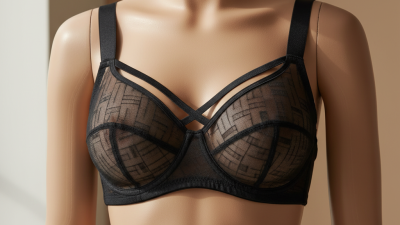
In recent years, the lingerie industry has seen a significant shift towards comfort and functionality. Mesh bras have emerged as a popular choice among consumers, combining style and practicality. According to a report by Market Research Future, the global lingerie market is expected to grow at a CAGR of 4.8% from 2021 to 2026, with mesh bras playing a key role in this trend.
The allure of mesh bras lies in their breathability and style versatility. They provide support without sacrificing comfort. A study from Statista indicates that 54% of women prioritize comfort in lingerie. Yet, manufacturers are still challenged to balance aesthetics and wearability. As mesh bras evolve, brands must remain vigilant, avoiding designs that compromise support for the sake of style.
Industry experts suggest that the demand for sustainable materials will also shape mesh bra designs in the coming years. Consumers are increasingly seeking eco-friendly options, pushing brands to innovate. Nevertheless, the rapid pace of change means that not all trends may resonate with every consumer. The journey of mesh bras continues to unfold, reflecting shifting priorities in the market.
Emerging Materials in Mesh Bra Construction for 2026
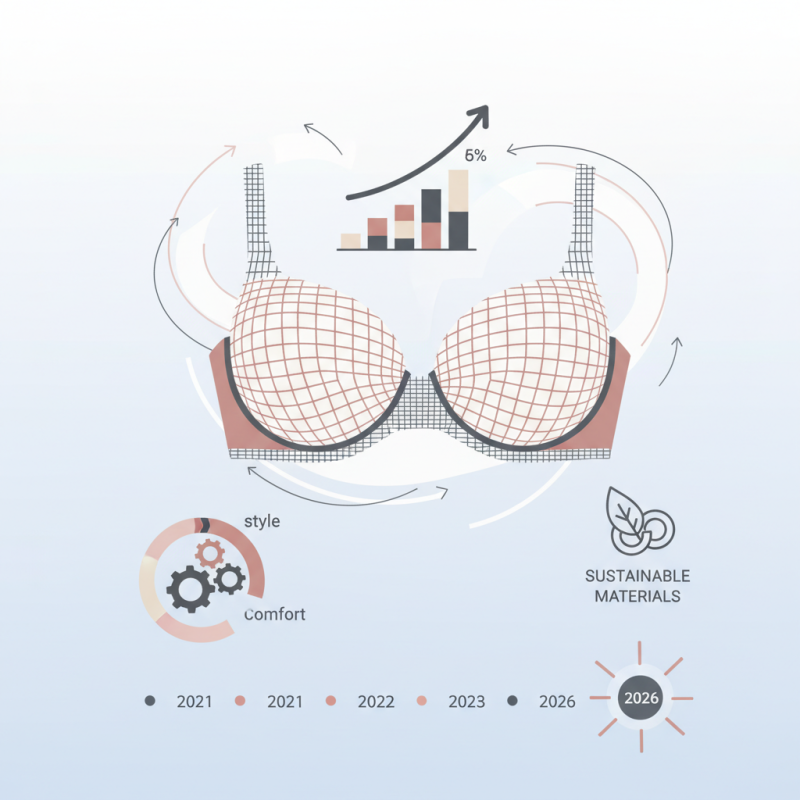
The mesh bra market is evolving rapidly, with emerging materials leading the charge in 2026. Innovations in fabric technology are reshaping how mesh bras are constructed. Recent industry reports indicate that the global market for innovative materials in intimate apparel is expected to grow by 8% annually through 2026. This growth is driven by consumer demand for both comfort and performance.
New materials, such as moisture-wicking mesh and recycled plastics, are making waves. Brands are increasingly opting for sustainable sources as consumers become more environmentally conscious. In fact, a survey found that 72% of shoppers are willing to pay more for eco-friendly products. However, there’s a challenge: balancing sustainability with durability and comfort. Many emerging materials struggle to provide the support traditional fabrics offer.
Further, the mesh itself is becoming more advanced. Innovations in breathable mesh constructions enhance airflow while maintaining necessary support. This year, a notable trend is ultra-lightweight yarn blends, which can enhance the overall bra experience. Yet, some designs are still under scrutiny for potential wear and tear. The quest for the perfect blend continues, prompting ongoing discussions about quality versus sustainability in mesh bra construction.
Top Mesh Bras Trends to Watch in 2026
Influence of Sustainability Trends on Mesh Bra Design
The influence of sustainability on mesh bra design is reshaping the lingerie industry. As consumers become more eco-conscious, brands are responding with innovative materials. Recycled fabrics are a top trend. They reduce waste and minimize carbon footprints. This approach not only caters to environmental concerns but also offers softness and breathability.
Tips for choosing sustainable mesh bras include looking for certifications. Brands that are transparent about their sourcing and production practices can be more trusted. Check for materials like organic cotton or recycled polyester. These options are not only better for the planet but often provide superior comfort.
While the trend is promising, challenges remain. Some sustainable materials may not perform as well as traditional fabrics. Durability and fit can be concerns. It’s essential to test different styles to find what works best for you. Stay informed about advancements in fabric technology, as this field is evolving rapidly. Sustainability in fashion must balance ethics and performance.
Consumer Preferences: Mesh Bra Features Demand in 2026
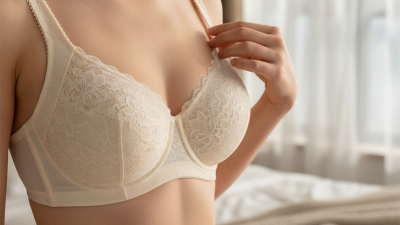
As we look ahead to 2026, consumer preferences in mesh bras are shifting significantly. Comfort and breathability will remain top priorities. Many shoppers are seeking bras that feel light and airy against the skin. This demand for comfort will push brands to innovate with mesh materials, offering better support without sacrificing softness.
A growing trend is personalization. Consumers want styles that reflect their individual tastes. This means choosing colors, patterns, and sizes that resonate with personal style. Mesh bras must now cater to diverse body shapes as well. Inclusivity in sizing could be a key selling factor.
Tip: When shopping for mesh bras, consider your lifestyle. Active individuals may need more support and flexibility. Those focusing on everyday comfort might prioritize softness and seamless designs.
Sustainability is also vital. Eco-friendly materials will attract environmentally conscious consumers. Brands must be transparent about their sourcing and production processes. The challenge will lie in maintaining quality while offering sustainable options.
Tip: Look for brands that highlight their sustainable practices. This can provide peace of mind and align with your personal values.
Top Mesh Bras Trends to Watch in 2026
| Feature |
Consumer Preference (%) |
Trend Description |
| Breathability |
75% |
High demand for breathable materials for comfort. |
| Lightweight Design |
68% |
Preference for lightweight bras for daily wear. |
| Sustainable Materials |
60% |
Increased interest in eco-friendly and sustainable fabrics. |
| Customizable Fit |
65% |
Desire for bras that allow for personalization in fit. |
| Fashionable Designs |
70% |
Trends towards stylish patterns and colors in mesh bras. |
| Wireless Options |
72% |
Growing preference for wireless styles for comfort. |
Technological Innovations Shaping the Future of Mesh Bras
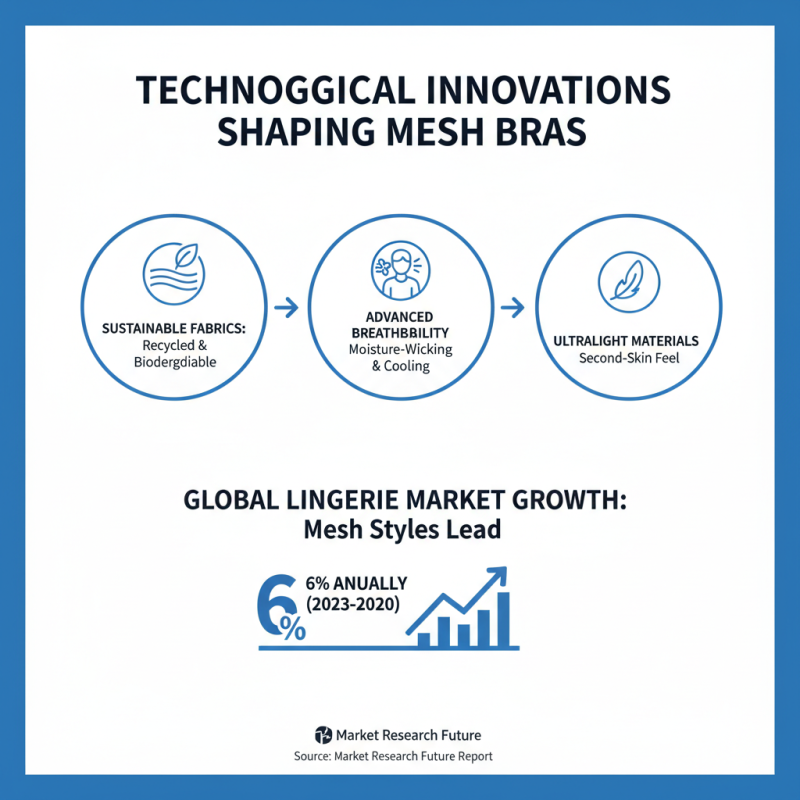
The future of mesh bras is poised for transformation, driven by innovative technologies. According to a report by Market Research Future, the global lingerie market is projected to grow by 6% annually, with mesh styles leading the way. This growth is largely due to advancements in fabric technology. New materials are becoming lighter, more breathable, and more sustainable.
Innovations like moisture-wicking capabilities are enhancing comfort. Smart fabrics, incorporating sensors, are on the horizon. These fabrics can adjust support based on activity levels. This flexibility could redefine how we view comfort in lingerie. Reports project that by 2026, over 30% of consumers will seek out technologically enhanced options.
Sustainability is another critical factor shaping trends. Many consumers prioritize eco-friendly materials. Approximately 70% of shoppers are more likely to buy products labeled as sustainable. The challenge lies in balancing performance and environmental impact. Brands must innovate without compromising on quality. As mesh bras evolve, the interaction of technology and sustainability will be crucial.
Market Growth Projections for Mesh Bras: Data Insights for 2026
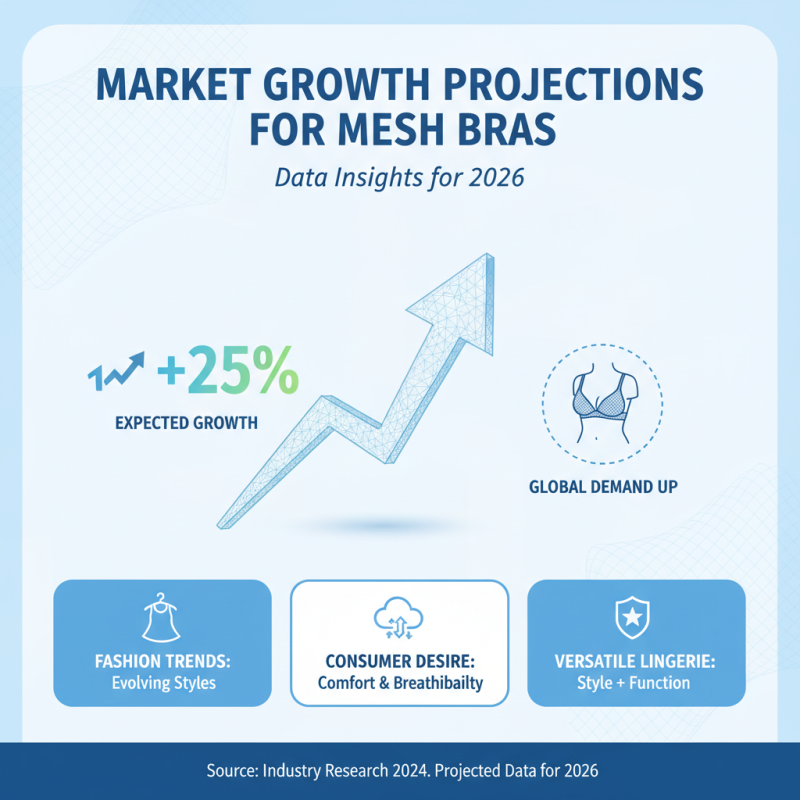
As we look ahead to 2026, the market for mesh bras is poised for significant growth. Research indicates that consumer demand is influenced by evolving fashion trends and the desire for comfort. Mesh bras offer breathability and support, making them an ideal choice for many. Statistics show a rising preference among women for versatile lingerie that marries style with functionality.
Experts predict that innovations in fabric technology will enhance the appeal of mesh bras. Manufacturers are exploring new materials that improve stretch and comfort. However, challenges remain. There is criticism regarding sizing inconsistencies across brands, which can lead to dissatisfaction. Additionally, some consumers express concerns over durability, questioning how long these bras will last under regular use.
The mesh bra market must also adapt to changing consumer values, including sustainability. Eco-friendly materials are becoming increasingly relevant. Addressing these concerns could help brands establish trust and credibility. Transparent practices in production and sourcing may foster loyalty. Engaging with customers directly through feedback can lead to better products. The future of mesh bras looks promising, yet it requires ongoing reflection and adaptation to truly meet consumer needs.