Why Choose Bras Without Underwire for Ultimate Comfort?
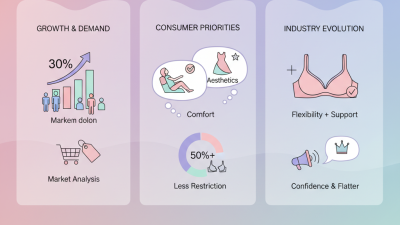
In recent years, "Bras Without Underwire" have gained significant popularity among consumers seeking ultimate comfort. A report by the Intimates Market shows that the demand for wire-free bras has increased by over 30% in the past three years. This shift reflects a growing awareness of the discomfort caused by traditional underwire bras. Many women report irritation, soreness, and restrictions in movement with wired options.
Studies indicate that the average woman spends more than 10 hours a day in a bra. When considering comfort, many find that wire-free designs provide better support without sacrificing style. Notable brands have embraced this trend, offering a variety of designs that cater to different preferences and body types. However, some consumers remain skeptical, believing that wire-free bras cannot provide adequate support.
This hesitation highlights a need for more education on the benefits of "Bras Without Underwire." As comfort takes precedence in today’s fashion, the industry must address these concerns. Reliable sources emphasize that wire-free bras can still offer structure and shape while prioritizing comfort. The evolution of these products invites consumers to rethink their choices for a more enjoyable wearing experience.

Benefits of Underwire-Free Bras for Everyday Comfort
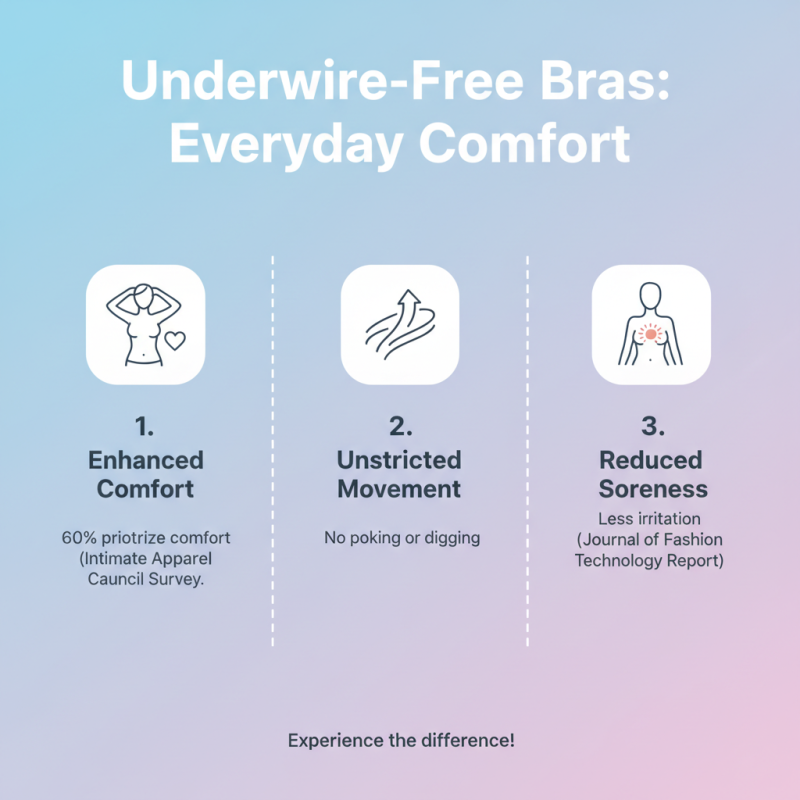
Choosing bras without underwire can significantly enhance everyday comfort. According to a survey by the Intimate Apparel Council, nearly 60% of women consider comfort as the top priority when choosing a bra. Underwire bras can create discomfort and restrict movement. A report from the Journal of Fashion Technology indicates that many women experience soreness from underwires, which can poke or dig into the skin throughout the day.
Many women report that underwire-free bras offer greater freedom. They can move comfortably without worrying about pinching or irritation. Data from a recent market analysis shows that sales of wire-free bras have surged by 40% in recent years. This trend highlights a shift towards a comfort-focused approach in lingerie choices.
However, comfort does not always mean a perfect fit. Some women find it challenging to find the right size in underwire-free styles, leading to unnecessary adjustments throughout the day. Getting accustomed to different support levels can take time. It's important to listen to your body and prioritize comfort while still seeking a style that fits well. Exploring options can enhance overall satisfaction with everyday wear.
Understanding the Anatomy of Underwire Bras vs. Non-Underwire Bras
Underwire bras have long been the standard for support. However, they can sometimes be uncomfortable. Understanding the differences between underwire and non-underwire bras can enhance your comfort. Non-underwire bras offer a softer fit, allowing for more flexibility. They mold to your body shape without digging in. This design can reduce irritation and create a natural silhouette.
Choosing the right bra is essential. Ensure the fabric is breathable. Look for materials that wick moisture away from the skin. Comfort should be your priority. If you're unsure about fit, consider trying various styles. Each body is unique, and what works for one may not work for another. Reflect on your needs and preferences.
Tips: Always check the sizing chart before purchasing. Sizes can vary significantly between different styles. When in doubt, size up for a looser fit. Remember to replace your bras regularly to maintain support and comfort. A well-fitted bra should feel like a second skin. Listen to your body and make adjustments as needed.
Why Choose Bras Without Underwire for Ultimate Comfort?
| Feature |
Underwire Bras |
Non-Underwire Bras |
| Comfort Level |
Medium |
High |
| Support |
High |
Medium |
| Breathability |
Medium |
High |
| Suitability for Daily Wear |
Varies |
Ideal |
| Range of Sizes |
Wide |
Narrow |
| Price Range |
Higher |
Lower |
Common Misconceptions About Underwire and Comfort
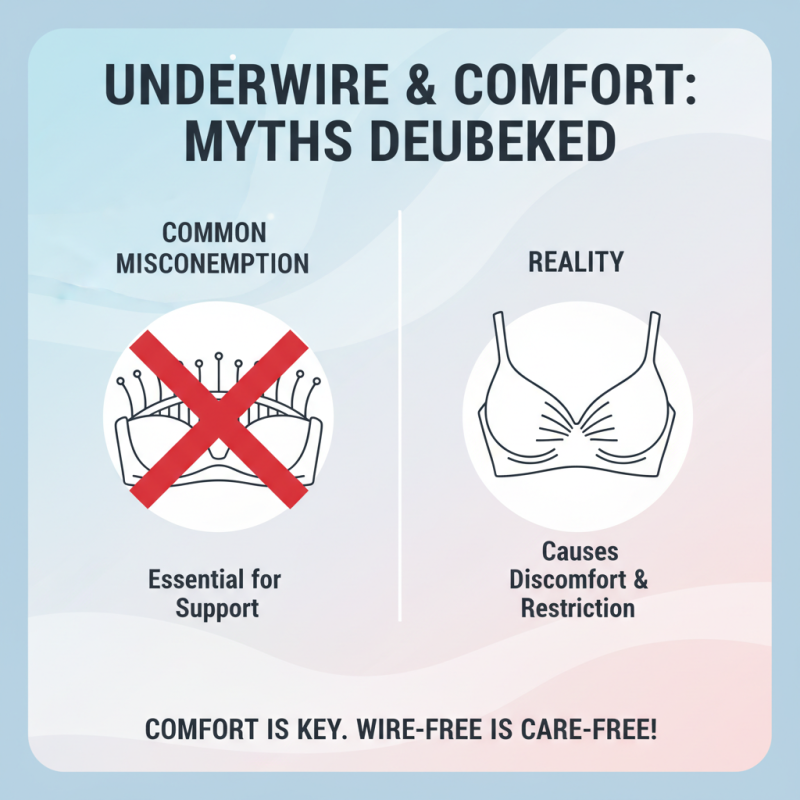
When it comes to comfort, many people believe that underwire is essential for support. This is a common misconception. In reality, underwire can cause discomfort and restrict natural movement. Many women report feeling restricted or pinched by underwire bras. This discomfort can lead to a negative experience overall.
Switching to bras without underwire can provide a liberating feeling. These bras often use soft fabrics and smart design to offer support without unnecessary pressure. The absence of rigid wires makes it possible to move freely throughout the day. It’s also worth noting that some women feel more self-conscious about their shape when wearing underwired bras, adding mental stress that detracts from overall comfort.
Some may argue that underwire provides a more structured look. However, many modern designs offer both support and a natural shape. The key is finding styles that suit individual preferences without sacrificing comfort. It’s important to redefine what we consider comfortable lingerie and to listen to our bodies, allowing for choices that promote well-being.
Choosing the Right Style: Types of Underwire-Free Bras Available
Underwire-free bras are becoming a popular choice for many women seeking comfort and style. These bras come in various designs, each tailored to specific preferences and needs. For instance, bralettes often feature soft fabrics and minimal support, making them ideal for lounging or relaxed days. They embrace the body’s natural shape without constrictive wiring, allowing for freedom of movement.
Another option is the wireless sports bra. This style provides support while engaging in physical activities. Designed to keep everything in place, they often use wide bands and moisture-wicking fabric. Some women may find the lack of underwire initially uncomfortable if they’re used to more structure. However, many quickly adapt and appreciate the flexibility these bras offer.
Full-coverage and plunge bras without underwire have also gained traction. These styles deliver a balance between coverage and aesthetics. The full-coverage option often features wide straps, which adds to comfort and support. In contrast, the plunge can enhance visual appeal while maintaining ease. The key is to try different styles to discover what feels best. Finding the right fit may take some trial and error, but the journey towards ultimate comfort can be rewarding.
How to Care for and Maintain Your Underwire-Free Bras for Longevity
Caring for underwire-free bras is essential for their longevity. Start by hand washing them in cold water. Use a mild detergent to avoid harsh chemicals that can damage the fabric. Gently rub the material without twisting or pulling. This protects the elasticity, keeping your bras in shape.
After washing, lay the bras flat on a clean towel to dry. Avoid hanging them, as this can stretch out the straps. Don’t use the dryer, as heat can weaken the fibers. If you wear these bras frequently, consider rotating them to give each one a break. This simple rotation can minimize wear and prolong their lifespan.
Store your underwire-free bras properly. Nest them inside each other rather than folding them flat. This helps maintain their shape and prevents creasing. Reflecting on your care routine can lead to better decisions. Choosing the right maintenance practices indicates your investment in comfort. Embrace this thoughtful approach for lasting wear.
Why Choose Bras Without Underwire for Ultimate Comfort?
This chart illustrates the comparison between underwire-free bras and traditional underwire bras across different comfort and performance metrics. The data reveals that underwire-free bras tend to score higher in comfort and breathability, while traditional bras excel in support and style.