Womens Bralettes have moved beyond seasonal fashion. They now support comfort, layering, and flexible everyday styling. For global wholesalers, this category offers practical commercial value. Bralettes use fewer components than many structured bras. They can also reduce fitting complexity. Still, simple construction does not guarantee strong performance.
Cora Harrington, a respected lingerie writer and founder of The Lingerie Addict, offers a useful principle: “Lingerie is clothing, not merely decoration.” This view matters when selecting Womens Bralettes for international markets. Buyers should examine fabric recovery, seam softness, strap adjustment, and size consistency. A cotton-modal bralette should feel smooth against skin. Its elastic should recover after repeated washing. Small details become visible on a retail rack.
Wholesale success also depends on dependable production. Suppliers should provide clear size charts, material information, sample approvals, and realistic lead times. Packaging should protect delicate fabric without creating unnecessary waste. Product descriptions must remain accurate across languages and regions. Local consumer expectations can differ sharply. A lightweight style may suit warm climates, while fuller coverage may perform better elsewhere.
Price matters, but it is not the whole story. A cheap order can become expensive after returns, inconsistent sizing, or delayed shipments. No buyer gets every decision right. That is worth admitting. Responsible sourcing, quality checks, and transparent communication create stronger partnerships. Womens Bralettes can become a reliable wholesale category when comfort, fit, durability, and market evidence guide each purchase. Trends help, but careful testing speaks louder.
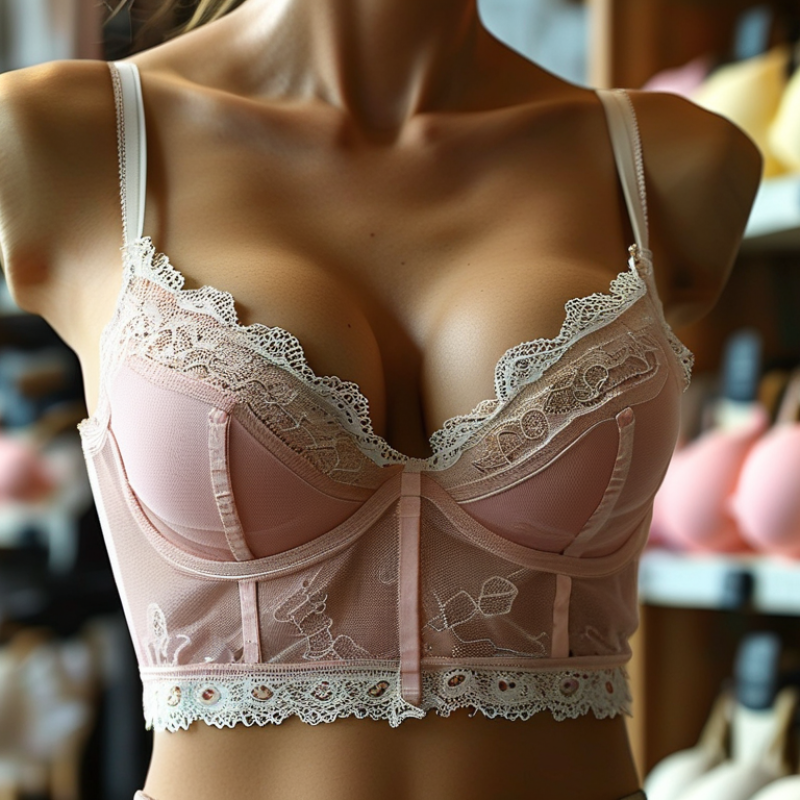
A women’s bralette is a soft, lightweight undergarment designed for comfort and natural shape. It usually has stretch fabric, wide straps, and minimal structure. Many styles use no underwire or molded cups. Some include removable pads, while others offer simple double-layer coverage.
A traditional bra is usually built for defined support. It may feature underwires, shaped cups, adjustable straps, and stronger back closures. A bralette feels more relaxed, but it is not automatically suitable for every body type or activity.
Support depends on fabric recovery, band width, cup construction, and size accuracy. The distinction is not perfectly fixed. Some bralettes now provide surprisingly firm support.
For global wholesale buyers, these differences affect product selection and quality inspection. I would check elastic recovery after stretching, seam comfort against skin, and colorfastness after washing. Size grading also deserves attention, because a small measurement error can change the fit noticeably.
Soft, not shapeless. A reliable supplier should provide fiber details, measurement charts, sample approval, and consistent production records. In my experience, buyers sometimes focus too heavily on appearance. That can be a mistake. A beautiful lace edge may still irritate skin or lose shape after several washes. Bralettes can reduce material complexity, but they still require careful testing, clear sizing, and honest product descriptions.
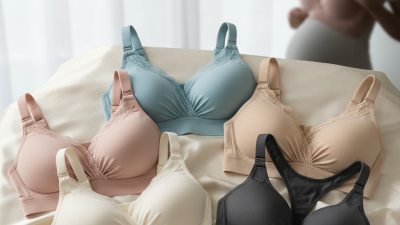
Women’s bralettes are gaining attention across international lingerie markets because they combine comfort, softness, and everyday flexibility. Many shoppers prefer light support without rigid underwires. This preference fits relaxed workwear, travel clothing, and layered outfits. A cotton-blend bralette under a loose linen shirt feels practical in warm climates. It also photographs naturally for online product pages.
Wholesale buyers often value bralettes because their simple construction can support efficient size planning. Adjustable straps, stretch panels, and removable pads help serve different body shapes. Neutral colors can suit conservative markets, while muted seasonal tones add visual variety.
During sample reviews, buyers should examine seam tension, elastic recovery, and cup coverage. Small faults become expensive when repeated across thousands of units.
Price matters, but it should not control every decision. Cheap elastic may twist after washing or lose support quickly. That damages customer trust and creates avoidable returns.
Sizing is another challenge, especially when regional measurements differ. Clear charts and real fitting feedback can reduce confusion. Still, no chart fits everyone perfectly.
Some designs need wider straps, deeper cups, or more modest coverage.
Climate also matters; breathable fabrics may perform better in humid regions than dense synthetic blends.
The market is broad, but comfort remains personal.
Bralettes offer global wholesale buyers a practical mix of comfort, flexibility, and visual appeal. Grand View Research valued the global lingerie market at approximately USD 94.6 billion in 2023. It also projects steady growth through 2030. This creates room for adaptable underwear categories.
Bralettes usually use softer structures than traditional bras. Many designs remove rigid underwires and heavy padding. That can reduce packing volume and simplify international shipping. Their lightweight shape also suits travel, layering, and casual styling. Buyers can offer several colors without carrying excessive size complexity.
However, comfort is not automatic. Weak elastic recovery, uneven stitching, or unclear sizing can quickly create returns. Wholesale teams should test fit across different body types before confirming production.
Tips: Request size samples before placing large orders. Check stretch recovery after repeated washing. Confirm fiber content and care labels. Textile Exchange’s 2024 Materials Market Report found polyester represented about 57% of global fiber production in 2023. Buyers should therefore examine recycled-content claims carefully and request reliable supplier documentation. A lower-impact material may still disappoint if it pills quickly. That detail matters. Examine packaging dimensions, carton strength, and minimum order quantities together. Small savings can disappear through damaged goods or slow-moving colors. Personally, I would review customer fit feedback after the first shipment, even when the initial samples look excellent.
Global wholesale buyers need bralettes that balance comfort, durability, and regional demand. Material selection should support repeated washing and varied climates. Cotton-modal blends offer softness and breathability for everyday collections. Recycled polyamide can improve stretch recovery and reduce dependence on virgin fibers. However, “sustainable” material claims require supplier documents, not attractive labels.
The Textile Exchange Materials Market Report 2024 states that polyester represented about 59% of global fiber production in 2023. This supports its practical role in affordable, quick-drying bralettes. Still, excessive polyester may feel warm in humid markets. A measured blend with elastane can improve movement without creating a heavy hand feel. Testing remains essential.
Triangle, seamless, longline, and lightly padded styles serve different wholesale channels. Seamless designs suit online basics, while adjustable straps help reduce fit complaints. Size planning should extend beyond a narrow core range. A practical opening curve may include XS to 4XL, with regional adjustments based on sales data. The World Health Organization reports that more than one billion people live with obesity worldwide, reminding buyers that inclusive sizing is commercially relevant. Yet, adding sizes without consistent grading is a weak solution. Fit samples should be reviewed on multiple body shapes, then corrected before bulk production.
Choosing womens bralettes for global wholesale requires more than comparing catalog photos. Buyers should assess fabric composition, stretch recovery, cup shape, strap strength, and size grading. Request physical samples in several sizes. A useful sample should survive repeated washing without twisting seams or losing support. Small tests matter.
Supplier evaluation should include production capacity, quality-control procedures, and experience with export documentation. Ask for clear measurement charts, material records, packaging details, and realistic lead times. Check whether the supplier can follow destination-market labeling and textile safety requirements. Do not rely on promises alone. A written specification sheet reduces disputes over colors, stitching, accessories, and acceptable defect levels.
Order planning deserves equal attention. Compare minimum order quantities, price breaks, sample fees, payment terms, and inspection arrangements. A small pilot order can reveal inconsistent sizing, weak elastic, or delayed communication before larger funds are committed. Buyers should also calculate freight, duties, packaging waste, and possible replacements. Some suppliers offer attractive prices but limited after-sales support. That matters. Experienced purchasing teams review defect photos, production updates, and final inspection records before shipment. Still, forecasts can be wrong, especially when seasonal colors lose demand. Leave room to adjust quantities, and record every lesson after delivery.