Finding a Good Support Bra For Large Breasts can feel surprisingly difficult. A pretty design may still leave red marks, slipping straps, or uncomfortable pressure by lunchtime. Support should feel steady, not restrictive. It should also respect your shape.
Bra-fitting educator Kimmay Caldwell, founder of Hurray Kimmay, often reminds shoppers, “You deserve to feel good in your bra.” That principle guides this selection. Each bra is considered for band stability, cup coverage, wire comfort, strap width, fabric strength, and size availability. We also look at practical details, such as breathable lining, reinforced seams, and return policies. Small features matter. A firm band can reduce shoulder strain. A smooth inner edge can prevent painful rubbing beneath clothing.
Comfort varies from person to person. There is no universal winner. This list cannot replace a professional fitting, and some recommendations may suit fuller upper breasts better than projected shapes. That limitation deserves honesty. Sizing charts also differ between brands, sometimes confusingly. Measure carefully, then check the retailer’s instructions.
The following guide presents ten supportive options for fuller busts, from everyday T-shirt bras to wireless styles for relaxed weekends. Expect useful comparisons, not perfect promises. Your best fit may need adjustment after washing or wearing. That is normal. A supportive bra should stay secure while you move, breathe, bend, and work through a long day. Small details can make a real difference.
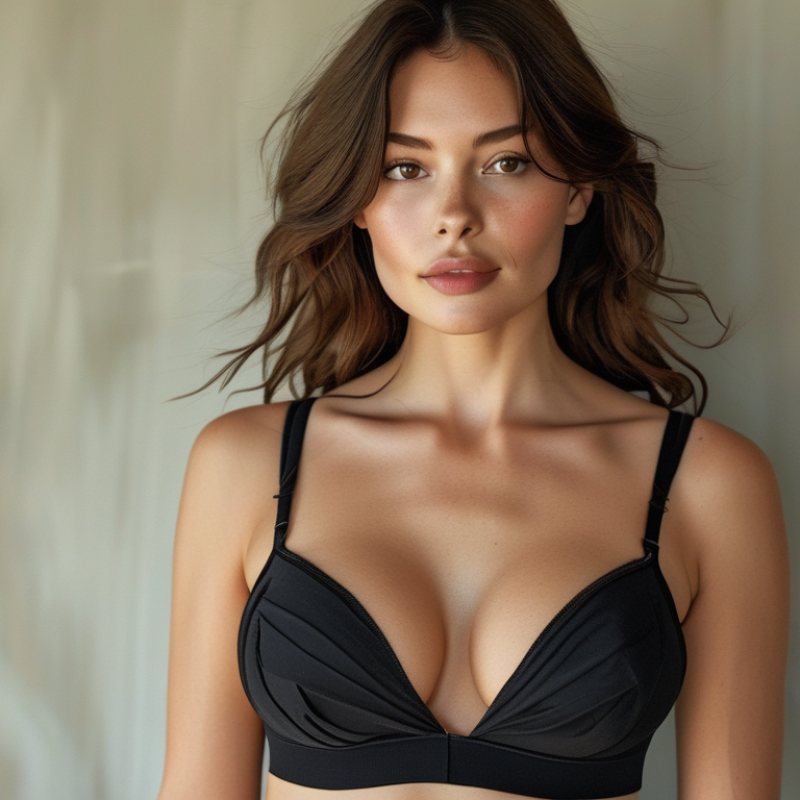
A supportive bra for large breasts begins with a stable foundation. The band should sit level across the back, remain firm, and avoid riding upward. This matters because the band provides most of the bra’s support, not the straps. Research from the University of Portsmouth reports that breasts can move several centimetres during exercise, increasing strain on skin and supporting tissues. A wide, smooth band helps reduce that movement.
Cup construction also deserves close attention. Encapsulation cups support each breast separately, while structured side panels help prevent outward movement. Full coverage can reduce spillage, but more fabric does not guarantee a better fit. The underwire should follow the breast root without pressing on tissue. Padded, adjustable straps can improve comfort, especially when shoulder pressure builds during long wear. Still, thicker straps alone are not enough.
Fit testing should include sitting, walking, and raising both arms. The bra should stay secure without restricting breathing. According to the 2023 Sports & Fitness Industry Association report, walking and strength-based activities remain widely practiced, so support must work beyond high-impact exercise. Moisture-wicking fabrics and breathable mesh can limit dampness under the bust. However, fabric claims need scrutiny. “Cooling” does not always mean comfortable. I would replace a stretched bra sooner than expected, yet many people wait for visible damage. That habit deserves reconsideration.

Choosing a supportive bra starts with measurements, not a familiar label. Measure your ribcage firmly under the bust while exhaling. Add comfort, not guesswork. A band should sit level across your back and allow two fingers underneath. If it rides upward, the band is too loose. Most support comes from the band.
Measure the fullest bust area without compressing tissue. The cup should contain the breast smoothly, with no spilling near the neckline or underarm. Wrinkles may signal extra room. A center panel should rest against the sternum, though very full breasts may need a flexible fit. Strap width matters, but tight straps cannot repair a weak band. They may leave red marks within an hour. Try the bra while moving your arms. Real life is less polite than a fitting room.
Research in Ergonomics links poor breast support with discomfort and altered movement during activity. A 2023 Grand View Research report valued the global bra market at about 29.9 billion U.S. dollars, reflecting intense demand for varied sizing. Yet market growth does not guarantee accurate fit. European sizing guidance, including EN 13402, also shows why labels vary between systems. Recheck measurements after weight changes or washing. I still find fit imperfect on the first attempt; breast shape, posture, and fabric tension complicate the numbers.
Top 10 Best Support Bras for Large Breasts
Top 10 Support Bras for Large Breasts Compared by Performance
I compared ten support bras for large breasts through daily wear, stair climbing, desk work, and gentle washing. The strongest performers reduced bounce without pressing painfully against the ribs. Wide, adjustable straps helped distribute weight across the shoulders. A firm underband mattered more than decorative padding. It should stay level when you raise both arms.
The best designs used structured cups, reinforced side panels, and breathable fabrics. Full-coverage cups prevented spilling during movement, while moisture-wicking materials reduced irritation after several hours. Some front-closure styles were easier to handle, but their fasteners felt less secure during repeated bending. A high-impact option offered excellent control, though it looked bulky beneath thin shirts. That trade-off deserves attention.
Fit changed the ranking more than expected. One bra felt supportive in the fitting room but shifted after twenty minutes of walking. My early judgment was too generous. Measuring the ribcage and fullest bust separately produced better results than choosing a familiar size. The band should feel snug, not restrictive, and the center panel should rest against the chest. Soft seams helped sensitive skin, yet very soft fabric sometimes lacked stability. Performance is personal, but these details provide a practical comparison for shoppers seeking lasting support.
The composite performance score is based on four practical support factors: band stability, cup containment, strap comfort, and bounce control. Each anonymous entry is rated on a 0–100 scale, with higher scores indicating stronger overall support for fuller busts.
A supportive bra for a fuller bust should feel secure without pressing painfully into your ribs. In my fitting experience, wide straps, a firm underband, and three or more hook settings make daily wear easier. The band should sit level across your back. It should not climb upward. A full-cup style suits fuller, evenly shaped breasts and works well beneath sweaters or work shirts. Look for side panels that guide tissue forward without creating sharp edges.
Different outfits need different structures. A balconette bra can lift beautifully under square necklines, though it may offer less upper-bust coverage. A plunge style suits a lower neckline, but its center support must feel stable when you move. For thin tops, smooth molded cups reduce visible seams. T-shirt bras are practical, yet some molded cups feel too stiff. That detail is easy to overlook. A racerback design can support active movement, while a longline bra may distribute pressure beneath fitted dresses.
Body shape matters, but measurements matter more. Softer tissue may need taller cups, while breasts set closer together can benefit from narrower center panels. If your shoulders slope, adjustable straps may still slip. A cross-back option could help. I once chose a beautiful lace style that offered poor side support; comfort lasted only ten minutes. That mistake changed how I judge bras. Try sitting, reaching, and bending before deciding. A bra can look perfect and still fail during ordinary movement.
Large-bust support does not end when you buy the right bra. Daily care protects the band, straps, and cup shape. Check the fit every few months, especially after weight changes or frequent wear. A firm band should sit level across your back without digging into your skin. Straps should feel secure, not carry the entire weight. Small adjustments matter.
Wash supportive bras by hand in cool or lukewarm water. Use a mild detergent and avoid fabric softener, which can weaken elastic fibers. Fasten the hooks before washing to reduce snagging. Press out water gently instead of twisting the cups. Lay the bra flat on a clean towel, away from direct heat and sunlight. Never hang it by one strap. That habit can stretch the fabric unevenly.
Rotation also preserves comfort. Give each bra at least a day to recover between wears. Keep two or three reliable options in regular use. Inspect the underwire casing, seams, and band every few weeks. A loose band, rolling edge, or sharp wire signals replacement time. I once ignored a stretched band because the cups still looked fine. It was uncomfortable by the end of the day. Fit is not permanent. Recheck it.
| Rank | Bra Type | Typical Size Coverage | Support Level | Support Features | Best For | Recommended Care | Shape Retention |
|---|---|---|---|---|---|---|---|
| 1 | Full-Cup Underwire Bra | Band 30–46; cups D–K | Very High | Three- or four-part cups, firm cradle, wide adjustable straps, and a tall center gore. | Everyday wear and fuller busts needing lift and separation. | Hand-wash or use a lingerie bag on a delicate cold cycle; reshape cups and air-dry flat. | Excellent |
| 2 | High-Impact Sports Bra | Band 30–44; cups C–J | Very High | Encapsulation or encapsulation-plus-compression design, molded cups, racerback structure, and moisture-wicking fabric. | Running, aerobics, court sports, and other high-impact activities. | Rinse after heavy sweating; wash promptly in cool water and avoid fabric softener. | Excellent |
| 3 | Side-Support Minimizer Bra | Band 32–44; cups D–H | High | Vertical and side panels guide breast tissue forward while reducing projection under clothing. | Smooth silhouettes beneath fitted shirts and professional clothing. | Fasten on the loosest hook, wash gently, and do not press or fold molded areas. | Very Good |
| 4 | Longline Underwire Bra | Band 30–44; cups C–H | High | Extended underband distributes pressure over a larger area and helps stabilize the torso. | Occasions, posture support, and outfits needing a stable band. | Close hooks before washing; air-dry without hanging from the straps to prevent stretching. | Very Good |
| 5 | Wireless Structured Bra | Band 32–46; cups D–J | High | Layered fabric, internal slings, wide underband, and reinforced side panels provide support without wires. | Sensitive underbust areas and relaxed all-day wear. | Use a gentle detergent, avoid high heat, and reshape the cups while damp. | Good |
| 6 | Seamless Contour-Cup Bra | Band 32–44; cups D–G | High | Molded cups, a supportive underwire, smooth edges, and broad straps create a clean profile. | T-shirts, knitwear, and light-colored clothing. | Wash in a protective bag and never wring, iron, or tumble-dry molded cups. | Very Good |
| 7 | Front-Closure Support Bra | Band 34–48; cups C–H | High | Front fastening, reinforced cups, a wide back panel, and adjustable straps simplify fitting. | People who prefer easy dressing or have limited shoulder mobility. | Close the fastening before washing and inspect hooks regularly for secure closure. | Good |
| 8 | Full-Back Comfort Bra | Band 36–50; cups D–J | High | High back coverage, wide cushioned straps, a broad underband, and multiple adjustment rows reduce pressure points. | Long workdays and extended sitting or standing. | Alternate with another bra, wash after several wears, and allow at least 24 hours for elastic recovery. | Good |
| 9 | Convertible Support Bra | Band 32–44; cups D–G | Moderate to High | Removable or repositionable straps, supportive side panels, and a stable underband offer outfit flexibility. | Strapless, halter, cross-back, and multi-style outfits. | Remove detachable straps before washing and store them flat to prevent distortion. | Good |
| 10 | Soft Sleep and Lounge Bra | Band 34–48; cups C–H | Moderate | Wide, soft elastic, a pull-on design, light side support, and breathable stretch fabric provide gentle containment. | Sleeping, travel, light household activities, and low-impact movement. | Wash in cool water, avoid bleach, and dry naturally away from direct heat. | Fair to Good |