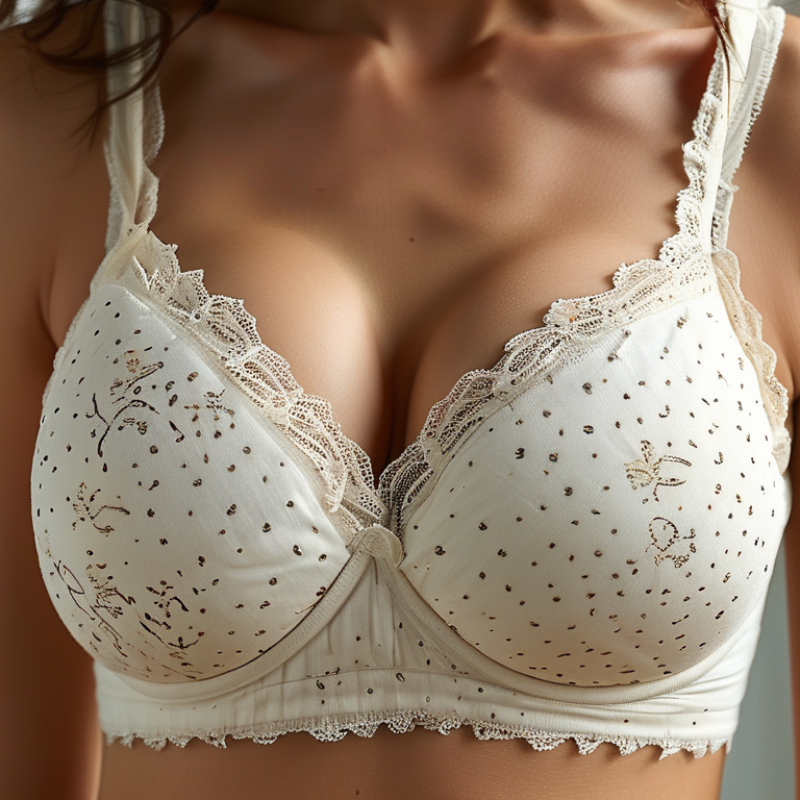
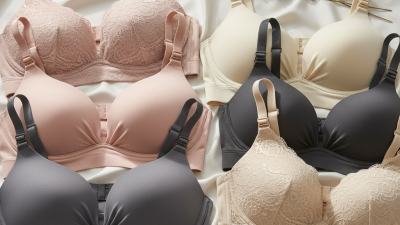
How to Choose the Best Cotton Breastfeeding Bra for Comfort?
Choosing the right Cotton Breastfeeding Bra is essential for nursing mothers. Comfort is a top priority during this special time. A well-fitted bra can make breastfeeding easier and more enjoyable.
When selecting a Cotton Breastfeeding Bra, consider the fabric's breathability and softness. Cotton is often recommended for its natural properties. It helps to keep you cool and comfortable throughout the day. Look for features like adjustable straps and easy access for feeding. These details can enhance your overall experience.
Many mothers find the process overwhelming. There are countless styles and brands available. Some may prioritize fashion over function, which could lead to discomfort. It’s important to evaluate your own needs and preferences before making a decision. Spending time researching will ensure you find a reliable and supportive option that meets your unique requirements.
Understanding the Importance of Comfort in Breastfeeding Bras
When selecting a cotton breastfeeding bra, comfort should be a primary consideration. Research shows that about 87% of new mothers prioritize comfort over style in their nursing bras. This is crucial during a time when physical changes and postpartum recovery can make wearing the wrong bra especially painful. A well-fitted cotton bra can help alleviate discomfort while providing the necessary support.
Understanding the importance of comfort also means recognizing that a mother’s emotional well-being is linked to her physical comfort. A survey found that 72% of mothers reported feeling more positive about breastfeeding when they wore supportive and comfortable bras. Cotton is a breathable fabric, which prevents moisture buildup and skin irritation during prolonged wear. This aspect is vital as mothers often need to feed their babies frequently.
Many women overlook the necessity of adjusting sizes, especially during the early breastfeeding stages. It’s common for breast size to change; thus, trying on multiple sizes is essential. Experts recommend checking the fit regularly. If a bra feels tight or causes discomfort, it may be time to re-evaluate the choice. Skipping this step can lead to ongoing discomfort and frustration. Prioritizing comfort is not only about physical health but also about fostering a positive breastfeeding experience.
How to Choose the Best Cotton Breastfeeding Bra for Comfort?
| Feature |
Description |
Importance |
| Material Quality |
Cotton fabric that is soft, breathable, and stretchable |
Ensures comfort and reduces irritation during breastfeeding |
| Size Adjustment |
Adjustable straps or band to accommodate changes in breast size |
Allows for a perfect fit as breastfeeding progresses |
| Support |
Underwire or wireless options that provide adequate support |
Helps to prevent discomfort and back pain |
| Ease of Use |
Quick-release clips or supportive pull-down access |
Facilitates breastfeeding without having to remove the bra completely |
| Design Features |
Diverse styles with lace, colors, or patterns |
Allows mothers to feel feminine and stylish during lactation |
| Washing & Care |
Machine washable, quick dry without losing shape |
Easy maintenance for busy breastfeeding mothers |
Key Features to Look for in Cotton Breastfeeding Bras
When choosing a cotton breastfeeding bra, comfort should be a priority. Look for soft, breathable fabrics. Cotton is an excellent choice as it allows for airflow and minimizes irritation. A good fit is essential for all-day comfort. Check for adjustable straps that can accommodate body changes during and after pregnancy. This flexibility ensures the bra won't dig or pinch during wear.
Support features are vital as well. A nursing bra should have clips that enable easy access for feeding. Consider wide underbands for additional support. Some women prefer padded cups for a smooth silhouette. However, too much padding can lead to discomfort, so balance is key.
Straps should be strong yet gentle. Avoid styles that dig into your skin. A good nursing bra should feel secure but not restrictive. Each woman's body responds differently, so it may take several tries to find the perfect bra. Pay attention to any discomfort or chafing. Always trust your instincts; comfort is the ultimate guide in this important choice.
Sizing Guidelines: Finding the Right Fit for Your Body
Choosing the right size for a cotton breastfeeding bra is crucial for comfort. Many women overlook the importance of a proper fit. Research shows that about 80% of women wear the wrong bra size. This can lead to discomfort, skin irritation, and even physical strain. To find your size, measure your band size and cup size. Use a soft measuring tape for accuracy.
Understanding sizing guidelines is essential. Band sizes typically range from 30 to 46, while cup sizes go from A to H. A good rule of thumb is to ensure there's no spillage over the top of the cup. Many breastfeeding bras come with adjustable straps and multiple hooks, allowing for easier size adjustments.
When trying on a bra, raise your arms and lean forward slightly. The bra should stay in place without digging into your skin. If you experience any discomfort or the fabric feels tight, you may need to adjust your size. Pay attention to how the bra feels during everyday activities. A poorly fitted bra can lead to thoughts about body image issues. It’s worth taking time to find a comfortable fit that suits your needs.
Materials Matter: The Benefits of Using 100% Cotton
Choosing the right breastfeeding bra is crucial for comfort, especially when materials are considered. 100% cotton is often recommended for its breathable nature. Cotton allows for air circulation, which can help prevent irritation and discomfort during nursing. According to recent studies, fabrics like cotton can reduce rashes and skin irritations, making it ideal for sensitive postpartum skin.
Cotton's moisture-wicking properties are also important. This natural fiber can absorb sweat, helping mothers stay dry during long nursing sessions. A report from the Textile Research Journal highlights that cotton maintains a comfortable temperature in various conditions, improving overall wearability. Many women report feeling more at ease in bras made of this material, yet some may overlook the importance of this choice.
The softness and natural feel of cotton contribute to a relaxed experience. However, not all cotton is the same. Organic cotton, for instance, is free from pesticides, which can be a safer option for new mothers and their babies. Yet, it's vital to be cautious of blends that include synthetic materials. These can negate the benefits of cotton, potentially causing discomfort. It's worth reflecting on how one’s choice of fabric can influence overall breastfeeding experiences.
How to Care for Your Cotton Breastfeeding Bra for Longevity
Taking good care of your cotton breastfeeding bra can drastically increase its lifespan. Regular washing is essential, but how you wash it matters. The best practice is to opt for a gentle cycle with cold water. A study published by the Textile Research Journal found that washing clothes in cold water can reduce energy consumption by 90% compared to hot washes. This not only saves energy but also maintains the fabric integrity of cotton.
It's crucial to avoid fabric softeners and bleach. These substances can break down fibers, decreasing elasticity. Instead, consider using natural detergents that are gentle on sensitive skin. An analysis from the Consumer Products Safety Commission shows that many women experience irritation from harsh chemicals in common laundry products, especially postpartum.
Drying is just as significant. Air drying is the best choice for your cotton bra. The heat from dryers can warp the fabric and damage its structure. A survey by the National Breastfeeding Center indicated that women who use proper care methods for their breastfeeding bras report higher comfort and satisfaction levels. That’s a reflection of how small adjustments to your care routine can lead to lasting comfort.