Get a quote today!
  •               247187193@qq.com
  • 15770667897  
  • Leave Your Message

    How to Choose Bras for Plus Size Women in 2026?

    Choosing a supportive bra should not mean choosing between comfort and appearance. For many shoppers, the challenge is practical: finding a stable band, comfortable straps, and cups that contain breast tissue without digging in. Bras For Plus Size Women are not one uniform category, because size, shape, posture, and personal preference all affect fit. A label is only a starting point.

    Grand View Research’s 2024 Lingerie Market Size, Share & Trends Analysis Report tracks a broad, evolving lingerie market. That commercial data helps explain why brands offer more styles and size options, but it cannot tell you whether a specific bra will fit your body. Fit is personal. A tape measure can help, yet measurements should be checked against the brand’s size chart and, when possible, a professional fitting. Small details matter: a firm band should sit level around the torso, while cups should lie smoothly without cutting in or gaping.

    This guide explores how to choose bras in 2026 by comparing support, construction, fabric, and everyday use. It will also explain what to check in a fitting room, from wire placement to strap pressure. No single style suits everyone. And size charts can still feel confusing. That deserves an honest look, not a promise that one “perfect” bra exists.
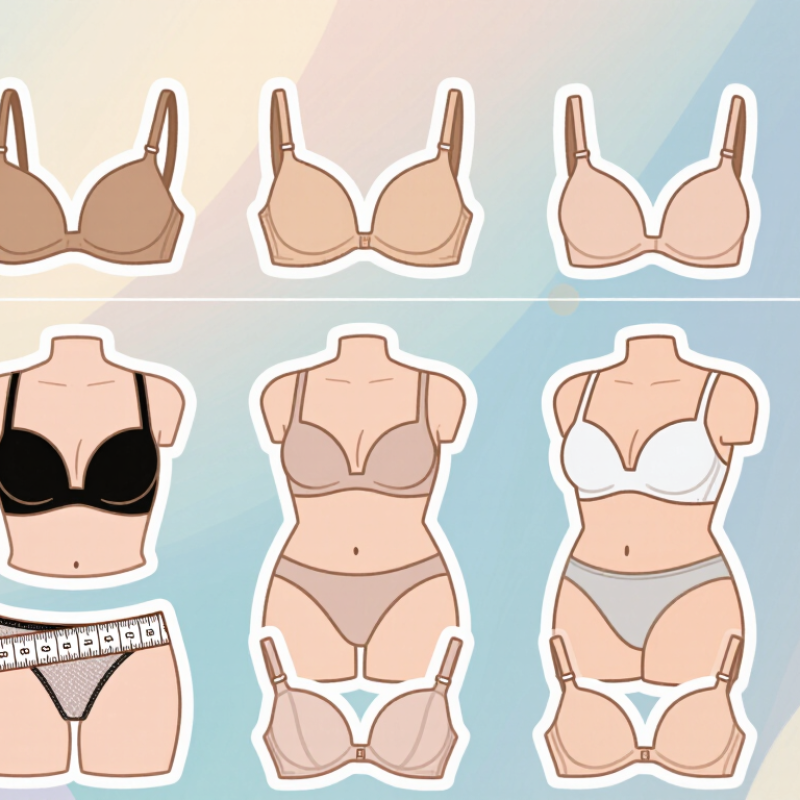
    How to Choose Bras for Plus Size Women in 2026?

    Understanding Plus-Size Bra Sizing and Measuring Your Fit

    A comfortable plus-size bra starts with measurements, not a number on a tag. Sizing varies between makers, and body shape can change how the same size feels. Use a soft measuring tape, and measure over a lightly lined bra or without one. Keep the tape level around your rib cage, just below your bust. It should feel snug, not tight. Then measure around the fullest part of your bust without pressing the tape into your skin. The difference between these measurements can help estimate a starting cup size, but it is only a guide.

    Tips: Measure twice, especially if the tape slips at your back. Write down both numbers. Try a bra near your estimated size, then compare neighboring sizes if the fit feels off.

    Check the band first: it should sit level and stay put when you raise your arms. Cups should contain breast tissue without gaps, wrinkling, or painful spilling near the edges. Straps should stay in place without carrying the band’s job. A firm new band may feel snug at first, but breathing should remain easy. If you’re between sizes, your shape, fabric, and preferred support can affect the best choice. Measuring is useful, though I’ve found it doesn’t always predict comfort perfectly. The try-on still matters.
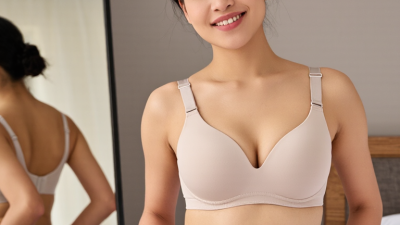
    How to Choose Bras for Plus-Size Women in 2026

    Understanding Plus-Size Bra Sizing and Measuring Your Fit

    Measure snugly around your underbust and around the fullest part of your bust, then subtract the underbust measurement from the bust measurement. In a common US sizing guide, each inch of difference corresponds approximately to one cup step. This chart is a general guide, not a universal sizing rule: sizing can vary by brand and country, so check the size chart and fit of each bra.

    Identifying the Support Features Your Body Needs

    Support starts with a band that stays level around your body, not straps pulled tight over your shoulders. Try raising your arms and taking a few deep breaths. The band should feel secure without pinching or sliding upward. That matters. A snug band often provides more support than tightening the straps, though comfort is personal.

    Next, check the cups and center front. Breast tissue should sit inside the cups without spilling at the top or sides, and the fabric should lie smoothly rather than wrinkle. If the center panel lifts away from your chest, try a different cup size or style. Wider, cushioned straps may ease pressure, but straps alone cannot fix a loose band. Look for firm side panels and a supportive underband if you want more coverage and less movement.

    Consider your daily routine, too. A long walk may call for a stable, wide band, while desk work may make softer materials more comfortable. Different shapes need different cuts; size labels are only a starting point. Move around in the bra before deciding. Reach overhead. Sit down. Check for rubbing beneath the arms or along the band. No fitting guide gets everything right, and comfort can change across the month. A small fit adjustment can make a real difference.

    Matching Bra Styles to Your Shape and Daily Activities

    Choosing a bra starts with noticing where you need support, not chasing a particular shape. For fuller, heavier breasts, a wide band and firm, adjustable straps can spread pressure more comfortably. If your breasts sit farther apart, a lower center gore may feel less intrusive. A balconette or seamed cup can suit a fuller lower shape, while a stretch-cup style may adapt better to unevenness. These are starting points, not rules. Bodies rarely fit neat categories.

    Daily plans matter, too. A smooth, lightly lined bra can work under a close-fitting shirt, while a breathable, wire-free style may feel easier during long desk hours. For walking or workouts, choose a supportive sports bra with secure coverage and limited bounce; it should not restrict your breathing. Small detail. Check the fit near the end of a normal day, when your body may feel different than it does in the fitting room. The band should stay level, cups should not spill or gape, and straps should not dig in. If one style feels almost right but still pinches, try another cup shape or band size. Fit advice can help, but comfort is personal and sometimes takes a second look.

    How to Choose Bras for Plus Size Women in 2026? - Matching Bra Styles to Your Shape and Daily Activities

    Use these practical fit and activity guidelines as a starting point. Comfort and support depend on individual fit, construction, and personal preference.
    Fit Need or Preference Daily Activity Bra Style to Consider Useful Construction Features Fit Checks
    More support through the band and cups Work, errands, or everyday wear Full-coverage bra or supportive everyday bra Firm, level band; adjustable straps; cups that contain breast tissue without cutting in The band should feel secure without restricting breathing. It should stay level around the body when you move.
    Preference for separated, defined cup shapes Office wear or outfits that benefit from a smooth silhouette Seamed or molded-cup bra, depending on personal preference Side panels or cup seams can help shape; a molded cup offers a smoother outline under clothing Check for cup wrinkling, overflow, or wires resting on breast tissue. A comfortable fit matters more than the cup style.
    Less pressure on the shoulders Long days or extended periods of sitting and standing Supportive bra with a wide, stable band Comfortable, wider straps may improve comfort; most of the bra’s support should come from a properly fitted band Straps should stay in place without digging in. If tightening them is needed to lift the cups, reassess the band and cup fit.
    Comfort while relaxing at home Rest, lounging, or light movement Wireless bra, lounge bra, or soft-cup style Soft fabric, flexible support, and a band that does not roll or pinch Choose the level of support you find comfortable. A wireless style should still feel stable during ordinary movement.
    Support during low-impact movement Walking, stretching, or gentle yoga Low- or medium-support sports bra Moisture-managing fabric, a secure underband, and enough coverage for the movement involved Try reaching, bending, and twisting. The bra should remain in place without uncomfortable compression.
    Reduced movement during vigorous exercise Running, aerobics, or other high-impact activity High-support sports bra; encapsulation or compression designs may suit different preferences Secure adjustable closures, supportive straps, stable coverage, and fabrics designed for active use Test with the movements in your workout. Look for shifting, chafing, restricted breathing, or pressure points.
    Clothing with a low back, narrow straps, or a strap-free neckline Occasional special-occasion outfits Convertible, multiway, or strapless bra designed for the outfit A secure band and compatible strap configuration; some styles include removable or repositionable straps Check the fit while sitting and moving. A strapless style should stay in place without needing constant adjustment.
    Changing fit or sensitivity throughout the day Daily wear when comfort needs vary Adjustable everyday bra or soft, flexible style Multiple hook-and-eye settings, adjustable straps, and a comfortable fabric with some flexibility Recheck fit periodically, especially after body changes. Sizing can vary between styles, so use measurements as a starting point rather than a guarantee.

    Evaluating Materials, Construction, and Adjustability

    A plus-size bra should feel secure without making the ribs or shoulders work overtime. Start with the fabric: stretch mesh can improve airflow, while a soft lining may reduce rubbing beneath the cups. Textile Exchange’s 2024 Materials Market Report estimates polyester made up 57% of global fiber production in 2023. That figure describes the wider textile market, not bra performance. Check how a fabric feels against your skin, and whether it recovers after stretching. A high-stretch cup that stays slack after washing is not a bargain for long.

    Construction matters just as much. Look for a firm, wide underband, cups that contain breast tissue without cutting in, and straps that lie flat. Seams should feel smooth under a thin shirt; exposed elastic can leave marks. Small details matter. Adjustability helps when bodies change or left and right sides differ slightly. Try the loosest hook first, then tighten as the band relaxes. Raise your arms and sit down: the band should stay level, and the wires should not press painfully. This check is useful, but not perfect; comfort can shift after an hour. Prefer care labels and fabric details over vague claims, and treat a “supportive” label as a starting point, not proof.

    Checking Fit and Comfort Before You Buy

    Checking fit means more than reading the size on a label. Breast Research Australia’s 2012 survey reported that about 80% of participating women wore an incorrectly fitted bra. The sample was limited, so the figure is not a universal estimate, but it highlights how common fit problems can be. Try a bra near the end of its band range: it should feel secure without digging in. The band should sit level across your back, while the center panel rests close to your chest. Small details matter.

    Move around before buying. Raise both arms, reach forward, and sit down. The cups should contain breast tissue without cutting in or wrinkling, and straps should stay put without carrying most of the support. No pinching. For fuller busts, wider straps or a broader band may feel more comfortable, but design alone cannot guarantee fit. Check the bra under a familiar top, too; a smooth fitting-room mirror can hide what shows through thin fabric. A tape measure can guide a starting size, not settle the question. And sizing varies between makers, so I would not assume one label fits every style. If the fit feels distracting after a few minutes, trust that discomfort.