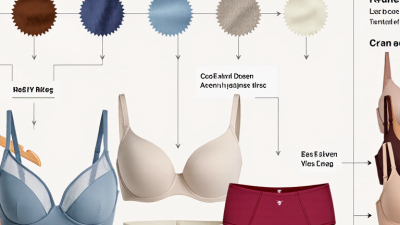
China Top 10 No Underwire Bra Manufacturers?
China Top 10 No Underwire Bra Manufacturers? This guide examines manufacturers serving the growing market for soft, flexible, and supportive No Underwire Bras. The focus is practical, not promotional. We look at fabric selection, pattern development, production capacity, quality controls, and customization services. We also consider how each factory handles cup shaping, side support, shoulder straps, elastic recovery, and size grading. These details matter when a bra must remain comfortable during long workdays, travel, light exercise, or quiet evenings at home.
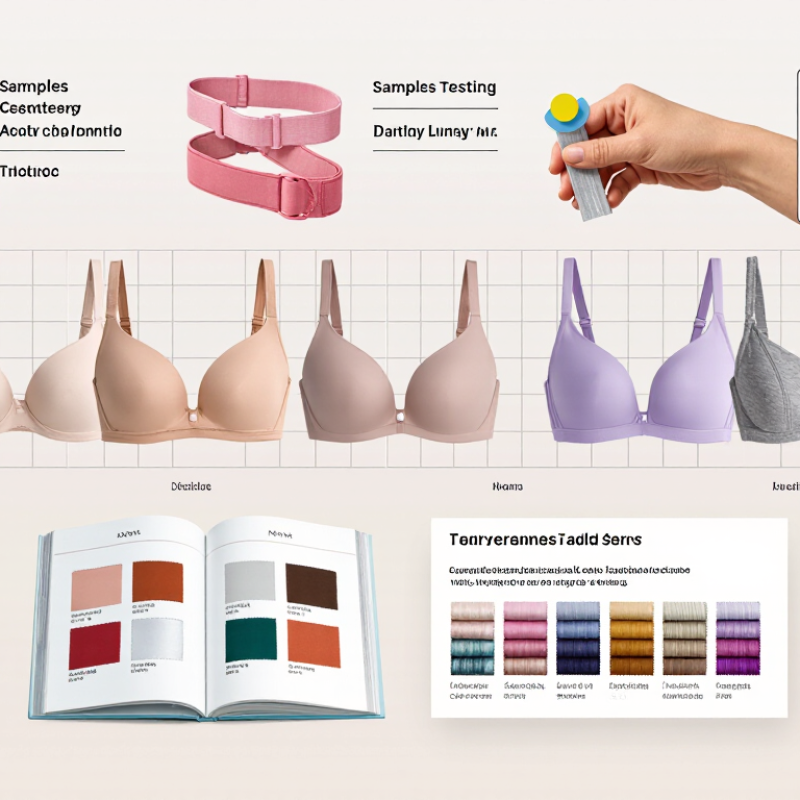
Kimmay Caldwell, a certified bra fit educator, often emphasizes, “Your bra should support you, not restrict you.” That principle guides this comparison. A reliable supplier should explain its testing process clearly. It should provide samples before large orders. It should also discuss shrinkage, colorfastness, seam strength, and repeated washing. A smooth sample may still fail after ten laundry cycles. That is where buyers need evidence, not attractive showroom language.
This list is not a final verdict. Factory capabilities can change, and online information may be incomplete. Some manufacturers excel at private-label production but offer limited design advice. Others provide excellent development support but require higher minimum order quantities. Those trade-offs deserve honest attention. We encourage brands to verify certifications, inspect production samples, request recent client references, and test finished bras on real bodies. Comfort is personal. Fit can vary widely. The best No Underwire Bras manufacturer is the one that combines dependable workmanship, transparent communication, and a repeatable quality process.
What Are No-Underwire Bras and Why Choose Chinese Manufacturers?
No-underwire bras use flexible fabrics, molded cups, side panels, and an elastic underband instead of metal support. They reduce pressure under the bust and suit everyday movement, travel, sleep, and sensitive skin. However, wireless does not mean unsupported. Fit depends on cup depth, band tension, fabric recovery, and careful grading across sizes.
Grand View Research valued the global lingerie market at about US$91 billion in 2023. Its forecast also indicates steady growth through 2030, supported by comfort-focused products. This shift explains the rising interest in wireless designs. Chinese manufacturers offer practical advantages because many production clusters combine knitting, dyeing, molding, sewing, and packaging suppliers. That shorter supply chain can support faster sampling and more flexible order quantities.
A reliable Chinese factory should provide fiber composition records, shrinkage tests, colorfastness results, and size charts based on real fittings. The International Organization for Standardization identifies ISO 9001 as a framework for consistent quality management, but certification alone proves little about bra comfort. I would inspect stitching around the armhole, recovery after repeated stretching, and cup distortion after washing. Small failures matter. A soft bra can still roll upward, flatten the bust, or lose support by noon. Product teams should test several body shapes, not only a standard mannequin. Factory communication can also be imperfect, especially when fit terms differ across languages. Clear measurement sheets, photographed samples, and written correction rounds reduce that risk.
China’s Top 10 No-Underwire Bra Manufacturers
China’s top ten no-underwire bra manufacturers are often evaluated through comfort, construction, and production consistency. A reliable comparison should examine fabric sourcing, cup shaping, size grading, and quality control. Soft cotton blends, bamboo fibers, and moisture-wicking fabrics are common choices for daily bras. The best factories usually offer flexible fit development, not just standard patterns.
Details matter. During sampling, check whether the band rolls after washing, whether the cups collapse, and whether shoulder straps stay flat. Bonded seams can reduce pressure, while carefully placed elastic supports the bust without rigid wires. Experienced manufacturers should provide material specifications, test reports, sample records, and clear production timelines. Factory audits also help confirm workforce standards, equipment capacity, and inspection procedures.
The phrase “top ten” needs caution. Rankings can change with order volume, export experience, and product specialization. A factory may produce excellent seamless bras but struggle with extended sizes. Another may handle small custom orders but lack fast bulk capacity. Buyers should request pre-production samples, wash-test results, and measurements from several size ranges. Do not judge quality from photographs alone. A smooth sample can still feel tight after eight hours of wear. Some suppliers communicate well, yet their final batches vary slightly. That gap deserves attention.
Comparing Product Quality, Customization, MOQ, and Pricing
China’s top 10 no-underwire bra manufacturers should be compared through evidence, not factory photos. Product quality starts with fabric recovery, seam strength, cup stability, and wash testing. A practical audit should review test records for shrinkage, colorfastness, pilling, and elastic fatigue. Textile Exchange’s Materials Market Report 2024 highlights continuing pressure for traceable and lower-impact fibers, making material documentation increasingly important.
Customization separates capable factories from simple trading suppliers. Ask whether the manufacturer can adjust cup depth, side wings, strap width, lining, labels, packaging, and grading rules. A real sample should be tested on different body sizes. It should survive repeated washing. Grand View Research reports continued growth in the global lingerie market, which supports demand for flexible, comfort-focused designs. Still, market growth does not prove factory competence.
MOQ and pricing require careful comparison. Some Chinese manufacturers accept small trial orders near 300–500 pieces, while custom colors, molds, or packaging may raise the minimum substantially. Prices often change with fabric composition, labor, testing, and order volume. My first scoring draft gave too much weight to low quotations. That was a mistake. A cheaper bra may use weaker elastic or inconsistent sizing. Request a full quotation, pre-production sample, inspection standard, production timeline, and replacement policy. Compare landed cost, not only the factory price. A top-10 list should show these details clearly, even when the ranking remains imperfect.
China No-Underwire Bra Manufacturers: Comparison Benchmark
The benchmark uses a 1–5 scale to compare commonly evaluated OEM/ODM capabilities: product quality consistency, customization flexibility, MOQ accessibility, pricing competitiveness, and development speed. These are indicative industry benchmarks rather than company-specific claims; actual results vary by fabric, construction, order volume, testing requirements, and packaging specifications.
How to Verify and Select the Right Manufacturing Partner
Selecting a no-underwire bra manufacturer requires more than comparing catalog photos. Request the factory address, business license, production capacity, and recent third-party audit. Then verify them independently. A video tour is useful, but it can hide subcontracting. Ask to see cutting tables, cup-shaping equipment, elastic testing, and finished-goods inspection records.
Material control matters. Textile Exchange reports that global fiber production reached 124 million tonnes in 2023, with polyester representing about 59%. Ask whether the factory can document fiber content, recycled claims, dyeing sources, and batch traceability. For each sample, test stretch recovery, seam strength, colorfastness, and washing performance. A comfortable bra should keep its shape after repeated washing, not only during a showroom fitting. Independent laboratory reports are stronger than factory promises.
Production reliability also needs evidence. Review three months of defect data, rework rates, delivery records, and corrective-action reports. Interview current or previous customers when possible. WRAP research indicates that extending clothing life by nine months can reduce carbon, water, and waste footprints by roughly 20–30%. That makes durability a commercial issue, not just a sustainability claim. Still, one weakness remains: a clean audit may reflect one good day. Use a pilot order, inspect randomly, and record every disagreement in writing. A cheaper quote can become expensive after repeated repairs, delayed shipments, or inconsistent sizing.