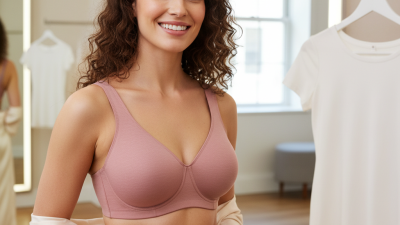
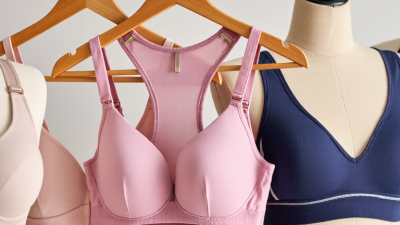
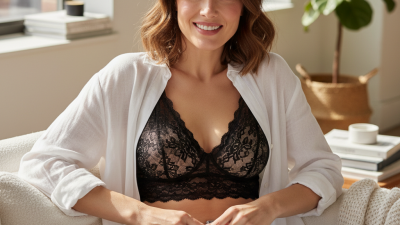
In 2026, Lingerie is moving beyond decoration. It is becoming more personal, practical, and visibly connected to everyday life. Soft bralettes, sculpted balconettes, and high-waisted briefs are sharing the spotlight. Comfort matters, but visual confidence still shapes the buying decision.
Cora Harrington, lingerie writer and author of In Intimate Detail, describes the category this way: “Lingerie is not about seduction; it is about self-expression.” That idea helps explain the year’s strongest direction. Shoppers are seeking pieces that feel attractive under a white shirt, supportive during long workdays, and effortless beneath loose tailoring. Expect breathable mesh, flexible underwires, adjustable straps, and more inclusive sizing. Some brands are also testing recycled fibers and lower-impact dyeing. Yet sustainability claims deserve careful attention. A green label alone proves very little.
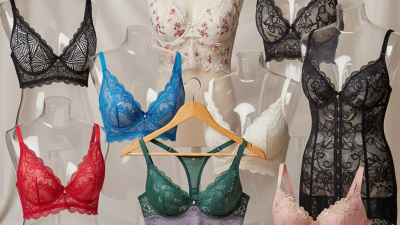
Color will become more deliberate. Deep cherry, espresso, muted blue, and warm ivory may replace predictable black as wardrobe staples. Sheer panels will appear, but they will be balanced with solid cups and thoughtful coverage. Lingerie-inspired dressing will continue outside the bedroom, especially with camisoles, corset details, and visible bra straps. Still, not every trend suits every body or lifestyle. That is worth remembering. The most useful 2026 choices may be less dramatic: a stable band, smooth seams, accurate measurements, and fabric that remains comfortable after hours of wear. Fashion can inspire us. Fit keeps us honest.
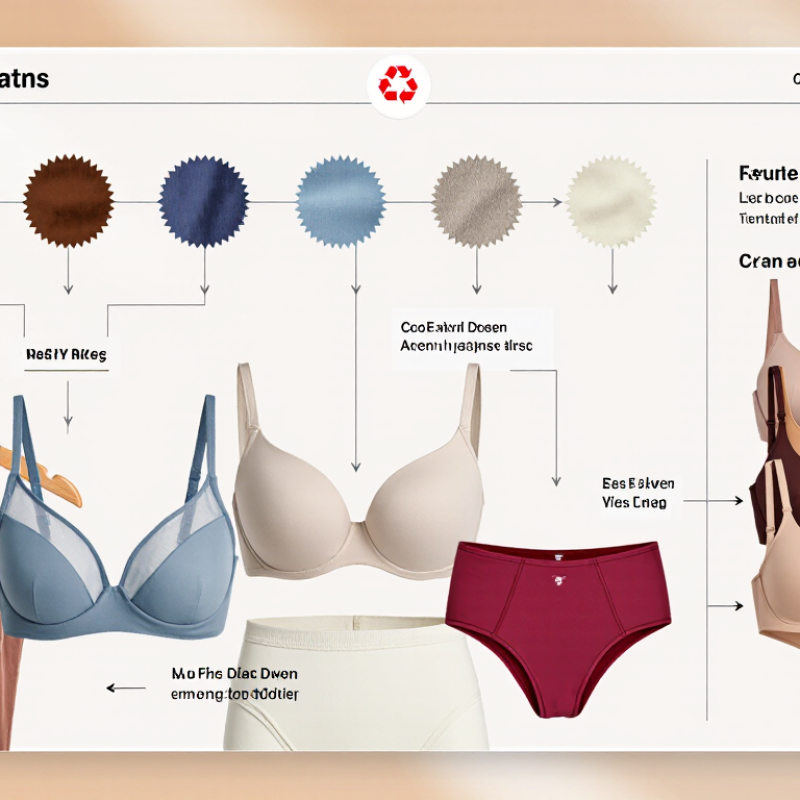
What Are the Top Lingerie Trends for 2026?
Defining the Key Lingerie Trends Emerging in 2026
In 2026, lingerie is becoming more practical, expressive, and adaptable. Fit specialists are seeing stronger demand for pieces that support movement without feeling restrictive. Soft, but structured. Wireless designs now use wider bands, shaped panels, and carefully placed seams for stability. Adjustable straps and flexible cups also help accommodate natural body changes throughout the day.
Breathable fabrics are gaining attention, especially lightweight cotton blends, recycled fibers, and smooth plant-based materials. However, sustainability claims need careful checking. A fabric may contain recycled content but still require complex processing. Reliable shoppers should examine care labels, fiber percentages, and durability information. Comfort is not only about softness. It also depends on airflow, moisture control, and how the garment behaves after repeated washing.
Visual trends are becoming less predictable. Sheer panels, sculptural straps, and delicate cutwork are appearing as layering details under open shirts and fine knitwear. At the same time, minimalist silhouettes remain useful for everyday dressing. Inclusive sizing is also influencing construction, with deeper cups, longer bands, and more flexible support levels. These changes are promising, though sizing remains inconsistent across different makers. A beautiful design can still fail when the band rides up or the seams irritate skin. Fit testing should remain central, even when the product looks perfect in photographs.
Projected annual growth rates for key lingerie segments associated with emerging 2026 consumer demand.
Shapewear, sports bras, sustainable lingerie, seamless designs, and bralettes are expected to remain among the strongest growth areas through 2026. The figures show rounded projected CAGR ranges synthesized from publicly available market-research forecasts for 2024–2030 and represent segment outlooks rather than company or brand performance.
In 2026, lingerie design is moving beyond appearance toward measurable comfort. Lightweight recycled polyamide and plant-based cellulose fibers are gaining attention for their soft hand feel and moisture management. Cotton remains valuable, especially in everyday styles, although it may dry more slowly after washing. That limitation matters.
Texture is becoming more deliberate. Designers are combining fine ribbing, airy mesh, brushed surfaces, and subtle jacquards within one garment. A smooth cup can meet a textured side panel, creating contrast without excessive decoration. These surfaces also influence support. Ribbed zones may provide gentle structure, while flexible mesh can improve airflow around the waist and back.
Construction techniques are changing quietly but significantly. Bonded seams reduce bulk beneath fitted clothing, and laser-cut edges create cleaner lines around briefs and bralettes. However, these methods are not automatically better. Poor bonding can weaken after repeated washing, and unfinished edges may roll during wear. Reliable development requires stretch testing, wash testing, and fit reviews across different body shapes.
Adjustable straps are becoming wider and more stable, with softer sliders that resist digging into the skin. Some new designs use targeted compression rather than rigid wiring. This approach can feel supportive, but comfort still depends on accurate sizing. I would not treat every trend as a solution. Personal movement, climate, and fabric sensitivity remain more important than seasonal predictions.
In 2026, lingerie color palettes are moving beyond predictable black, white, and beige. WGSN and Coloro’s S/S 2026 forecast highlights Transformative Teal, Amber Haze, Blue Aura, Jelly Mint, and Electric Fuchsia. These shades support calmer, more expressive wardrobes. Grand View Research valued the global lingerie market at $88.32 billion in 2023, with a projected 5.7% CAGR through 2030. That growth encourages more color experimentation, but daily comfort still matters. A pale mint bra may look fresh online, yet it can feel difficult under ordinary clothing.
Patterns are becoming softer and less perfectly arranged. Blurred florals, tiny botanical marks, narrow stripes, and uneven polka dots create visual movement without overwhelming the body. Euromonitor International’s 2024 apparel analysis continues to identify comfort, versatility, and emotional value as important clothing drivers. Decorative details follow that direction. Expect scalloped elastics, small satin bows, tonal embroidery, matte hardware, and contrast piping. Lace appears lighter, with open spacing and less rigid structure. Fit teams should test every detail after washing, not only on a studio mannequin. A beautiful rosette can twist. That is the problem. Forecasts also need humility. Trend colors may photograph strongly, while consumers choose quieter shades for repeated wear.
Understanding Comfort, Inclusivity, and Sustainable Design
Lingerie in 2026 is moving closer to everyday reality. Soft support, adjustable straps, and breathable panels matter more than dramatic structure. Many shoppers want pieces that remain comfortable during commuting, desk work, and long evenings. Wider bands can reduce pressure, while bonded seams may prevent irritation under thin clothing. Still, comfort is personal. A design that feels secure to one person may feel restrictive to another.
Inclusivity is becoming more practical, not merely visual. Extended sizing should include consistent proportions, not just wider measurements. Cup depth, torso length, and strap placement can change the fit significantly. Nude shades also need broader undertones, from cool beige to rich brown.
Product descriptions should explain stretch, support level, and care requirements clearly. Better size charts help, but real fit testing across different bodies remains essential. The industry still falls short here.
Sustainable design is also shaping new collections. Recycled fibers, certified natural materials, and durable elastics can reduce waste when selected responsibly. A removable pad or replaceable strap may extend a garment’s useful life. Smaller production runs can limit unsold inventory, although they may increase prices. That trade-off deserves honest discussion.
Care instructions matter too: washing lingerie in cool water and air-drying it can protect fabric and elastic. Beautiful design is not enough. It must survive ordinary life.
In 2026, lingerie choices are shaped by comfort, data, and changing daily routines. Many shoppers now expect underwear to support movement, temperature control, and personal confidence. Soft adaptive fabrics can respond to heat, while seamless construction reduces pressure under fitted clothing. These features matter during long commutes, remote work, and evening exercise. Fit specialists increasingly use body measurements to recommend better sizes. However, measurements cannot fully capture posture, swelling, or sensory preferences. A fitting room still teaches something that an algorithm may miss.
Wearable technology is entering intimate apparel with practical, limited functions. Some garments can monitor temperature or movement through small sensors. Privacy must remain central. Consumers should know what data is collected and how long it is stored. Clear consent is more important than impressive marketing language. Textile professionals also need to test breathability, washing durability, skin comfort, and electrical safety. A clever feature is not useful if it fails after several washes.
Lifestyle changes are influencing design in quieter ways. People want fewer garments that serve more situations. Convertible straps, adjustable panels, and breathable lining can support travel, caregiving, and active workdays. Inclusive sizing is improving, but progress remains uneven. Some supposedly flexible designs still fit only narrow body shapes. I am cautious about calling every innovation empowering. Comfort depends on fabric, fit, budget, culture, and personal taste. Sometimes the most advanced choice is a simple garment that stays comfortable from morning to night.
A data-based outlook on the product features, technologies, and lifestyle priorities expected to influence lingerie choices in 2026
| Trend | 2026 Outlook | Lifestyle Driver | Technology or Design Feature | Expected Consumer Benefit | Market Readiness |
|---|---|---|---|---|---|
| Comfort-first wireless lingerie | Mainstream growth | Remote work, long daily wear, and preference for less restrictive clothing | Wireless construction, bonded seams, flexible support zones, and soft elastic | Reduced pressure points and improved all-day comfort | Established |
| Seamless and second-skin garments | Continued expansion | Demand for discreet underwear under fitted and lightweight clothing | Circular knitting, laser-cut edges, seamless zones, and lightweight stretch fabrics | Low visibility under clothing and greater freedom of movement | Established |
| Inclusive sizing and adaptive fit | High-priority growth area | Body diversity, disability inclusion, post-surgical needs, and changing body shapes | Extended size ranges, adjustable closures, front fastenings, sensory-soft materials, and fit data | Improved accessibility, fit accuracy, and dressing independence | Established to expanding |
| Moisture-management and temperature comfort | Broader everyday adoption | Warmer climates, active lifestyles, and demand for clothing that performs across daily activities | Moisture-wicking fibers, breathable mesh, quick-drying structures, and targeted ventilation | Drier skin, reduced discomfort, and improved wearability during activity | Established |
| Period underwear and multi-function underwear | Category normalization | Convenience, menstrual-health awareness, travel, and interest in reusable alternatives | Layered absorbent cores, leak-resistant barriers, odor-control finishes, and washable construction | Product versatility and reduced reliance on disposable menstrual products | Established to expanding |
| Lower-impact materials and durability | Core purchasing consideration | Environmental awareness, product longevity, and scrutiny of textile waste | Recycled or certified fibers, durable elastics, repairable components, and material traceability | Longer product life and more informed material choices | Established to expanding |
| Digital fitting and virtual size guidance | Rapid service development | Online purchasing, reduced returns, and demand for more personalized sizing | Measurement tools, fit questionnaires, computer vision, and virtual try-on interfaces | Greater confidence when shopping remotely and fewer sizing errors | Emerging to expanding |
| Smart-textile and health-monitoring concepts | Selective premium and research adoption | Interest in wellness tracking, preventive health, and connected clothing | Flexible sensors, conductive yarns, washable electronics, and mobile data interfaces | Potential monitoring of movement, temperature, or selected physiological signals | Emerging |
| Convertible and occasion-flexible designs | Steady growth | Minimalist wardrobes, travel, cost-conscious purchasing, and demand for more uses per garment | Removable straps, reversible construction, adjustable support, and modular components | More styling options from fewer garments and improved wardrobe efficiency | Established to expanding |