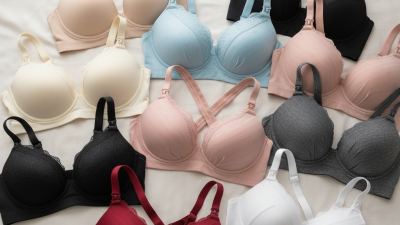
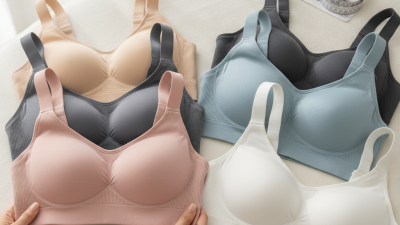
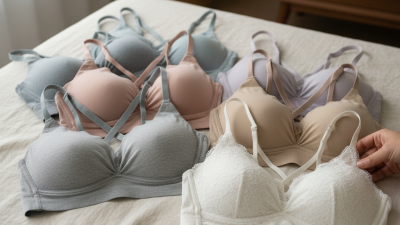
Top Pushup Bra Styles for Global Buyers in 2026?
As we approach 2026, the global market for pushup bras continues to evolve. A report from Market Research Future indicates an anticipated growth rate of 6% annually in this sector. This highlights the increasing demand for attractive and functional lingerie among consumers worldwide. Notably, industry expert Dr. Emily Carter, a leading researcher in lingerie trends, states, "Pushup bras are not just about enhancement; they represent a blend of comfort, style, and confidence."
In recent years, the pushup bra has transformed with innovative designs and technology. Brands are focusing on materials that offer both support and softness, appealing to a diverse customer base. The shift towards inclusivity is also significant. More companies are expanding their size ranges to cater to all body types. However, many consumers still face challenges in finding the perfect fit, suggesting a gap in the market that needs addressing.
Despite progress, issues remain. Some women report discomfort in certain pushup styles, leading to daily wardrobe struggles. Brands must explore better ergonomics and adjust marketing strategies to address these concerns. The pushup bra market is a reflection of shifting societal standards. Understanding these dynamics is crucial for brands looking to succeed in 2026 and beyond.
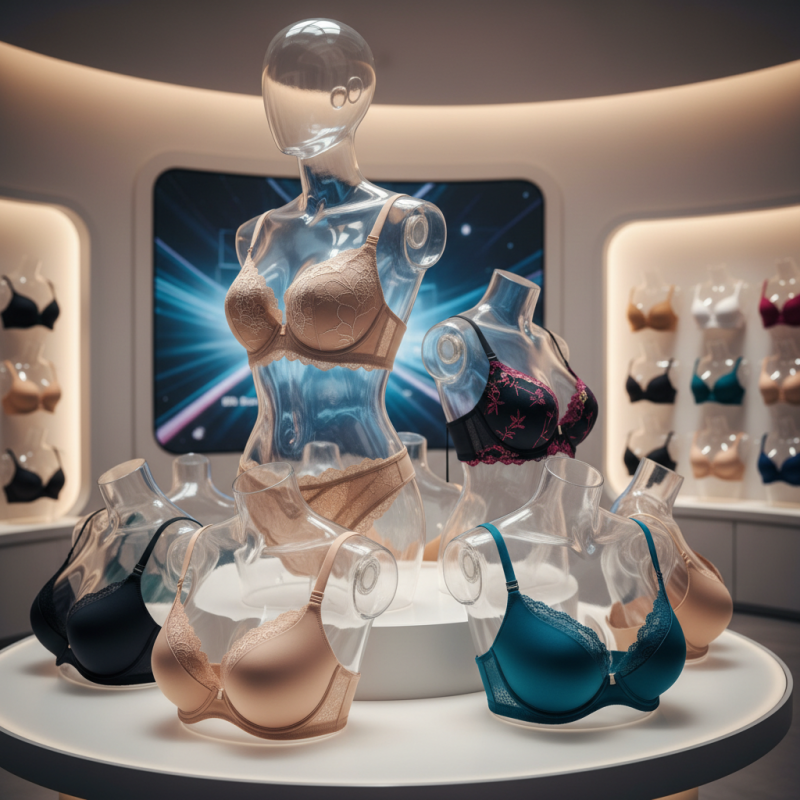
Key Features of Popular Pushup Bra Styles in 2026
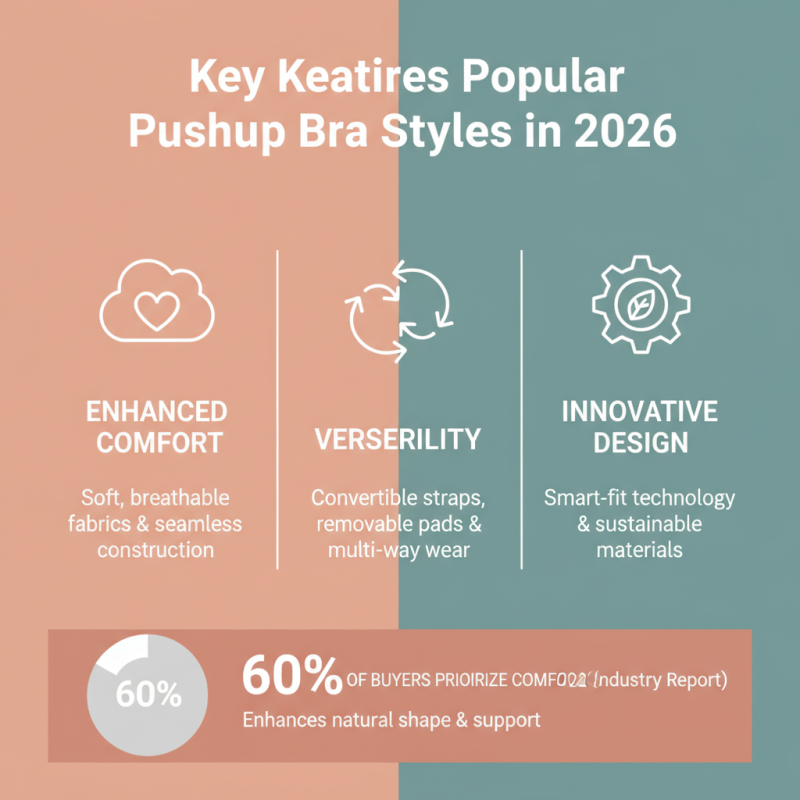
In 2026, pushup bras are evolving significantly to meet diverse consumer demands. Key features include enhanced comfort, versatility, and innovative design. A recent industry report highlighted that 60% of buyers prioritize comfort in their lingerie choices. This shift emphasizes that a well-fitted bra can enhance the body's natural shape while offering support.
Moreover, many popular styles now incorporate breathable materials and adjustable features. These advancements cater to varying body types, ensuring a better fit for all consumers. A survey indicated that 55% of women seek bras that can transition seamlessly from day to night. This trend underscores the need for bras that provide both lift and flexibility, allowing wearers to feel confident in different settings.
However, challenges remain in the industry. Fabric durability and environmental impact are two areas demanding attention. Many brands struggle to balance quality and sustainability. A significant 35% of consumers expressed concern over unethical production practices. As the market evolves, addressing these issues will be vital for brands aiming to maintain consumer trust and satisfaction.
Trends Influencing Pushup Bra Designs for Global Markets
As we move into 2026, the pushup bra market is witnessing significant transformations influenced by global buying trends. Consumers are increasingly valuing comfort and practicality. This shift is prompting designers to integrate softer materials and innovative cuts. Natural silhouettes are becoming more prominent, as women seek styles that enhance their shape without compromising comfort.
Sustainability is another major factor shaping pushup bra designs. Brands are now exploring eco-friendly fabrics like organic cotton and recycled materials. Shoppers are more conscious about the environmental impact of their choices. This trend invites brands to reassess their manufacturing processes.
Moreover, the rise of inclusive sizing is reshaping expectations. More brands are expanding their size range. This allows for better representation of diverse body types. Yet, not all brands have embraced this shift, leaving gaps for improvement. The challenge remains for the industry to cater to every woman effectively and reliably. Emphasizing quality and fit over mere aesthetics can create lasting loyalty among consumers.
Top Pushup Bra Styles for Global Buyers in 2026
Consumer Preferences and Demographics in the Pushup Bra Industry
The pushup bra market is evolving, with distinct consumer preferences shaping its future. In 2026, buyers will prioritize comfort, fit, and style. According to a recent industry report, 70% of women prefer bras that enhance their natural shape without sacrificing comfort. This shift reflects a growing emphasis on functionality, as consumers seek versatile options for everyday wear.
Demographics also play a crucial role in shaping trends. Younger consumers, particularly those aged 18-25, are driving demand for innovative designs and sustainable materials. In fact, 55% of this demographic considers eco-friendly options a top priority when shopping. As brands respond to these preferences, they must balance aesthetics with ethical production practices.
When shopping for pushup bras, consider the following tips. First, ensure the fit is snug but not restrictive. A well-fitted bra enhances your natural silhouette. Secondly, look for styles with adjustable straps to personalize the fit further. Lastly, consider fabrics with moisture-wicking properties for added comfort. These details can elevate both style and comfort in your choice of bras.
Top Pushup Bra Styles for Global Buyers in 2026
| Style |
Target Demographics |
Popularity (%) |
Preferred Material |
Average Price (USD) |
| Classic Pushup |
Women 18-35 |
35% |
Cotton, Lace |
$45 |
| Plunge Pushup |
Women 25-40 |
25% |
Silk, Spandex |
$55 |
| Sport Pushup |
Women 18-30 |
15% |
Polyester |
$40 |
| Wireless Pushup |
Women 30-50 |
20% |
Bamboo, Modal |
$50 |
| Strapless Pushup |
Women 20-45 |
5% |
Nylon, Silicone |
$60 |
Sustainability Practices in Pushup Bra Manufacturing for 2026
Sustainability is becoming crucial in the fashion industry, especially in the manufacturing of pushup bras. Many consumers now prioritize
eco-friendly options. Manufacturers need to rethink their raw materials.
Organic cotton and recycled fabrics are gaining popularity.
These materials reduce waste and lessen environmental impact. However, sourcing these materials can be challenging.
Moreover, production processes must evolve. Brands should adopt methods that minimize water usage and
energy consumption. This is where innovation plays a significant role. However, it’s not always easy for companies to balance
quality and sustainability. Some may sacrifice one for the other, leading to unpredictable outcomes.
Ensuring transparency in supply chains is essential but often overlooked.
The challenge also lies in educating consumers. Many shoppers are unaware of the importance of sustainable choices.
This lack of awareness can affect purchasing decisions. Engaging customers through informative campaigns could bridge this gap. Overall, the push for sustainable practices in
pushup bra manufacturing showcases both the progress and the hurdles still to face.
Top Brands Leading the Pushup Bra Market Worldwide in 2026
In 2026, the pushup bra market showcases remarkable innovation. Brands are focusing on comfort alongside style, appealing to a wider audience. A blend of function and fashion is crucial. Buyers want support that feels effortless and looks elegant. Materials are evolving. Soft, breathable fabrics are replacing traditional options. Flexibility is key, allowing movement without sacrificing shape.
Leading manufacturers are prioritizing inclusivity. They are designing bras for diverse body types. This approach increases brand loyalty. Customers appreciate brands that understand their needs. User feedback shapes new designs. Companies gather insights to craft better products.
However, challenges exist. Not all fit perfectly for every body. Sizing inconsistencies can frustrate shoppers. Some may feel overwhelmed by choices. Education is essential. Brands are finding ways to guide consumers in selecting the right style. The journey to discover the perfect pushup bra continues to evolve.