Leave Your Message
Finding a bra that feels comfortable should not require a fitting-room marathon. Yet shoppers seeking Comfortable Bras For Plus Size often face a narrow choice of band and cup combinations, limited in-store stock, and inconsistent sizing between brands. A smooth-looking label does not guarantee a steady band or straps that stay put. Fit is personal.
The market context helps explain why this deserves attention. Circana, formerly The NPD Group, tracks plus-size apparel within its U.S. apparel-market research, showing that the segment is commercially significant. However, broad apparel figures do not reveal whether brands offer enough supportive, comfortable bra styles across sizes. ASTM International’s D5585 body-measurement tables also illustrate how clothing measurements are organized, but those tables are not a substitute for individual bra fitting. Cup shape, wire width, breast spacing, and preferred coverage all affect comfort.
That gap matters. A band may ride up beneath a sweater; a wire may press near the underarm; a strap may leave a red mark by lunchtime. These details are easy to overlook in product descriptions focused only on size ranges. Some shoppers may also find that the same labeled size fits differently across brands. That is not a perfect explanation, but it is a useful reminder: size alone cannot describe support or comfort. This article examines the design, sizing, retail, and fit barriers behind the search—and what shoppers can look for when evaluating a bra.
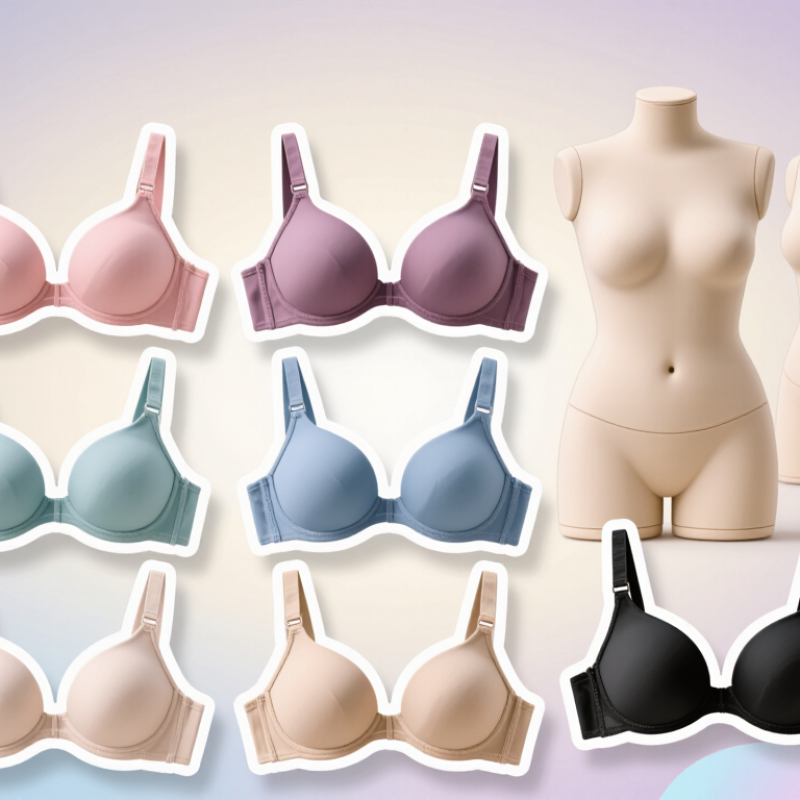
Comfort in a plus size bra is more than soft fabric. It means support that feels steady without constant adjustment. For many people, that starts with a band that sits level around the body and feels snug, not restrictive. The band should provide much of the support; straps that dig into the shoulders may be carrying too much.
Cups should contain breast tissue without spilling, gaping, or pressing painfully. If a bra has underwires, they should rest around the breast root rather than poke into it. Comfort is also personal: some people prefer wide straps and smooth seams, while others prioritize breathable fabric or a flexible wire-free design. Softness alone is not enough. A plush cup can still rub or shift during a busy day. Fit can change with weight, hormones, and even different styles, so one size may not work everywhere. That part is frustrating, and sizing labels are not perfectly consistent.
Tips: Fasten a new bra on its loosest hook. Raise your arms, reach forward, and sit down to check whether the band rides up or the cups shift. Notice pressure after a few minutes, not just in the fitting room. Fit is personal.
| Why Are Comfortable Plus Size Bras So Hard to Find? — Defining Comfort in Plus Size Bras | ||||
|---|---|---|---|---|
| Fit Dimension | What Comfort Means | Common Source of Discomfort | Fit Check | Helpful Design Features |
| Band support | The band feels secure and level while providing most of the bra’s support. | A band that is too tight can dig in; one that is too loose may ride up and shift support to the straps. | The band sits level around the body and allows a few fingers to fit beneath it without excessive stretching. | Multiple hook-and-eye settings, a firm but flexible band, and a wider back panel. |
| Strap pressure | Straps stay in place without carrying the full weight of the bust or leaving painful marks. | Narrow or over-tightened straps can concentrate pressure on the shoulders. | Straps remain on the shoulders during normal movement and feel supportive without needing to be pulled very tight. | Adjustable straps with a comfortable width and secure attachment points. |
| Cup coverage and shape | The cups contain the breast tissue smoothly without gaping, spillage, or pinching. | Cups that are too small may cut into breast tissue; cups that are too large may wrinkle or shift. | Check the cup edges and center panel while standing and moving; breast tissue should not spill over or leave persistent gaps. | Several cup shapes and sizes, seamed cups for shaping, and flexible cup edges. |
| Underwire comfort | If present, the wire follows the breast root and stays against the chest without poking. | A wire that is too narrow, too wide, or incorrectly positioned can press into breast tissue or the underarm. | The wire surrounds the breast tissue and does not sit on it; the ends do not poke under the arms or into the center of the chest. | Well-sized wire shapes, cushioned channels, and non-wired options for people who prefer them. |
| Fabric and seams | Materials feel soft against the skin and allow comfortable movement throughout the day. | Rough seams, stiff finishes, heat retention, or scratchy labels can irritate sensitive skin. | Notice any rubbing or irritation during arm movement and after wearing the bra for a typical period. | Smooth linings, soft seam finishes, breathable materials, and removable or printed labels. |
| Size availability | The wearer can find a combination of band and cup dimensions that matches their body. | Limited size ranges or inconsistent sizing can make a good fit difficult to locate, even when the design is comfortable. | Compare the fit across the band, cups, straps, and center panel rather than relying on the size label alone. | A broad range of band-and-cup combinations and clear, consistent fit guidance. |
| Movement and daily wear | The bra remains comfortable when sitting, reaching, walking, and completing routine activities. | A fit that seems acceptable while standing still may shift, rub, or restrict movement during the day. | Try sitting, raising both arms, and gently twisting; the band and cups should stay in place without pinching. | Flexible construction, stable cup coverage, and closures that allow adjustment as fit needs change. |