Get a quote today!
  •               247187193@qq.com
  • 15770667897  
  • Leave Your Message

    10 Tips for Sourcing Mesh Bras Wholesale?

    Sourcing Mesh Bras wholesale can look simple on a supplier’s catalog page. The reality is less polished. A beautiful product photo may hide weak seams, inconsistent sizing, or uncomfortable elastic.

    This guide, “10 Tips for Sourcing Mesh Bras Wholesale,” focuses on practical decisions buyers face before placing a bulk order. It covers supplier verification, fabric quality, construction details, minimum order quantities, sample testing, packaging, and delivery planning. Each point connects purchasing choices with customer experience.

    Cora Harrington, a respected lingerie educator and founder of The Lingerie Addict, has said, “Lingerie is not just about sex. It’s about feeling good in your own skin.” That perspective matters when evaluating Mesh Bras. The mesh should feel soft against the body, not scratchy or overly stiff. Straps should stay secure without digging into the shoulders. Cups should support the intended fit across several body types.

    Ask for physical samples. Test the bra after washing. Check the stitching under bright light. Small defects become expensive when multiplied across hundreds of units.

    Supplier claims also require careful review. Certifications, production photographs, size charts, and material details should be verified, not simply accepted. An attractive quote is not always a reliable deal. Sometimes, the cheapest option creates the highest return rate.

    There is no perfect sourcing process. Mistakes happen, especially with new suppliers. However, clear specifications, written approvals, and realistic quality standards can reduce avoidable surprises. This introduction prepares buyers to compare wholesale Mesh Bras with greater confidence and more disciplined judgment.
    10 Tips for Sourcing Mesh Bras Wholesale?

    Define the Wholesale Mesh Bra Market and Its Main Product Categories

    The wholesale mesh bra market supplies retailers, online sellers, and lingerie distributors with lightweight styles for everyday wear and fashion collections. Mesh refers to the breathable, open-textured fabric used in cups, panels, or full bra construction. Demand usually centers on comfort, visibility, support, and attractive pricing. Product quality still varies widely.

    Main categories include soft mesh bralettes, lightly lined triangle bras, underwire mesh bras, and fuller-coverage styles. Retailers may also source sports-inspired mesh bras, nursing-friendly designs, and fashion pieces with adjustable straps. Within each category, buyers should compare mesh softness, elastic recovery, lining coverage, cup structure, hook quality, and available sizes. A beautiful sample can still fail after repeated washing.

    Tip: Request fabric details and physical samples before discussing large quantities. Test stretching, stitching, transparency, and strap adjustment by hand. It takes only a few minutes.

    Another useful category is by support level: light support for lounging, medium support for daily use, and structured support for fuller busts. Size grading deserves careful attention, because mesh offers limited forgiveness when measurements are wrong. Ask suppliers for measurement charts, tolerance standards, packaging details, and production lead times. Confirm whether colors remain stable after washing. I have seen buyers focus too heavily on price and overlook inconsistent sizing. That mistake becomes expensive through returns and customer complaints. A reliable supplier should communicate clearly, provide repeatable quality, and accept reasonable inspection requirements.
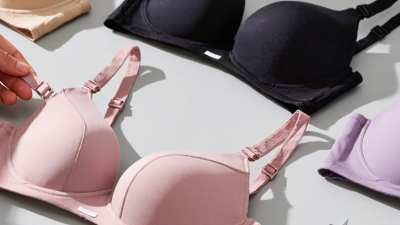
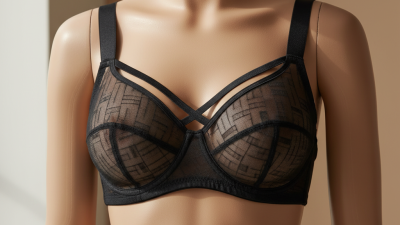
    Set Quality, Fabric, Size, and Design Requirements Before Sourcing

    When sourcing mesh bras wholesale, define quality before contacting suppliers. Specify mesh weight, softness, stretch recovery, and resistance to snagging. A lightweight mesh may feel comfortable, but it can lose shape after repeated washing. Request fabric swatches and a wash-test report. Details matter.

    Set measurable requirements for every component. State the cup lining, elastic width, strap adjustment range, and stitching density. Ask for a size chart with bust, underbust, and band tolerances. A two-centimeter grading error can create uncomfortable pressure between sizes. Check the fit on several body types, not only a standard sample.

    Design instructions should include coverage, transparency, support level, hardware material, and acceptable color variation. Share a simple technical sheet with sketches and measurement points. Request a pre-production sample before approving bulk manufacturing. Keep records.

    An inspection should check loose threads, uneven seams, odor, colorfastness, and package labels. Do not guess.

    One sourcing mistake is treating a beautiful sample as proof of consistent production. It is not.

    Confirm inspection methods, testing documents, production timelines, and replacement terms in writing. Requirements may still need revision after fitting, especially around the underband and arm openings. That reflection can prevent expensive corrections later.

    Find and Compare Reliable Mesh Bra Wholesale Suppliers

    10 Tips for Sourcing Mesh Bras Wholesale

    Finding a reliable mesh bra wholesale supplier requires more than comparing the lowest quote. Request samples from three to five factories, then record fabric composition, mesh weight, stretch recovery, cup structure, and stitching quality. Check the bra under bright light. Uneven seams and rough elastic often appear there.

    Use a comparison sheet for unit price, minimum order quantity, sampling fees, production time, and shipping terms. Ask whether prices include packaging and inspection costs. A cheap quote may exclude important expenses. Review recent test reports for colorfastness, fiber content, and skin-contact safety. Factory photos help, but a live video tour offers stronger evidence. It is not perfect.

    Look for suppliers with clear size charts and consistent grading across samples. Request a pre-production sample before approving bulk work. Confirm defect allowances, replacement procedures, payment stages, and delivery responsibilities in writing. Reliable communication matters when measurements change. My own mistake was judging a supplier by fast replies alone; the second sample exposed weak strap attachments. Ask for references from similar wholesale buyers when possible. Compare evidence, not promises. Supplier selection takes patience.

    Verify Samples, Certifications, Pricing, and Minimum Order Terms

    Sourcing mesh bras wholesale requires more than comparing catalog photos. Request physical samples in several sizes and colors. Check the mesh tension, seam strength, cup lining, strap adjustment, and hardware finish. Wear-test one sample for several hours. Look for rubbing, stretching, or visible distortion after washing. Small details reveal production quality.

    Ask the supplier for current certification documents, not screenshots or vague promises. Confirm the issuing organization, product scope, test date, and matching factory information. Requirements can vary by destination, so verify them with an independent testing service or qualified compliance adviser. Keep the reports with your purchase records. A certificate alone does not prove every shipment matches the tested sample.

    Request a complete price sheet before negotiating. It should separate unit cost, sample fees, packaging, testing, freight, and payment charges. Confirm whether prices change by size, color, fabric weight, or custom labeling. Clarify the minimum order quantity for each style and color. Also ask about mixed-size orders, repeat orders, lead times, deposits, inspection rights, and remedies for defective goods. Put every term in writing. I once underestimated packaging costs and damaged an otherwise workable margin. That mistake was avoidable. A lower unit price may still create higher total costs. Review the landed cost before approving production. If the supplier resists clear answers, pause the order and request evidence. Reliability is shown through consistent documents, samples, and communication.

    Manage Orders, Shipping, Inspection, and Long-Term Supplier Relations

    When sourcing mesh bras wholesale, order control starts before payment. I use a clear style sheet with colors, sizes, measurements, and fabric details. Each purchase order receives a unique reference number. Confirm quantities twice. One missing size can disrupt an entire launch.

    Tip 1: Request a pre-production sample and compare it with the approved specifications. My process is not perfect, so I leave room for corrections before bulk production.

    Shipping requires practical coordination. Ask the supplier to confirm carton counts, packing dimensions, gross weight, and dispatch dates. Use clear carton marks for faster warehouse receiving.

    Tip 2: Agree on a shipping checklist before production ends. It should include documents, delivery terms, tracking details, and damage procedures. I once trusted a packing list without checking the cartons. That small mistake delayed inventory recording by several days.

    Inspection should cover stitching, elastic recovery, cup shape, mesh strength, labels, and odor. Check random pieces from every size and color. Photograph defects beside a measuring tape. Keep inspection records with the purchase order.

    Tip 3: Discuss problems with evidence, not emotion.

    After delivery, share sales forecasts and realistic reorder windows. Pay on time when agreed, and record every change in writing. Long-term cooperation grows through consistency. Still, goodwill alone is not enough. Review performance after each shipment.