Get a quote today!
  •               247187193@qq.com
  • 15770667897  
  • Leave Your Message

    10 Best Feeding Bras for Comfort and Support?

    Choosing the right Feeding Bra is more than a style decision. It can affect comfort during long nursing sessions, overnight changes, and everyday movement. A supportive design should feel secure without pressing painfully against the breasts or ribs. Soft fabric matters. So do adjustable straps, practical nursing clips, and enough room for changing breast volume.

    The need is substantial. WHO and UNICEF’s Global Breastfeeding Scorecard 2023 reported that 48% of infants worldwide were exclusively breastfed for the first six months. That figure highlights how many families may depend on convenient breastfeeding clothing during demanding early months. The CDC Breastfeeding Report Card also tracks breastfeeding duration and support across the United States, showing that practical barriers can influence feeding experiences. A well-designed Feeding Bra cannot solve every barrier. It can remove one small, uncomfortable obstacle.

    This guide examines 10 popular Feeding Bras for comfort and support. We consider fabric softness, band stability, cup flexibility, nursing access, breathability, and everyday durability. We also consider real situations: holding a sleepy baby at 3 a.m., leaking during a supermarket trip, or adjusting a strap under a loose shirt. ACOG recommends individualized breastfeeding support, and fit should be individualized too. No bra fits everyone. That is easy to forget.

    Some product claims sound impressive but remain vague. We will question them. Reviews can reflect personal experience, not universal proof. Therefore, this comparison combines practical testing principles, manufacturer information, and established guidance from healthcare organizations. The final choice should match your body, feeding routine, and comfort priorities. Support should never mean restriction.
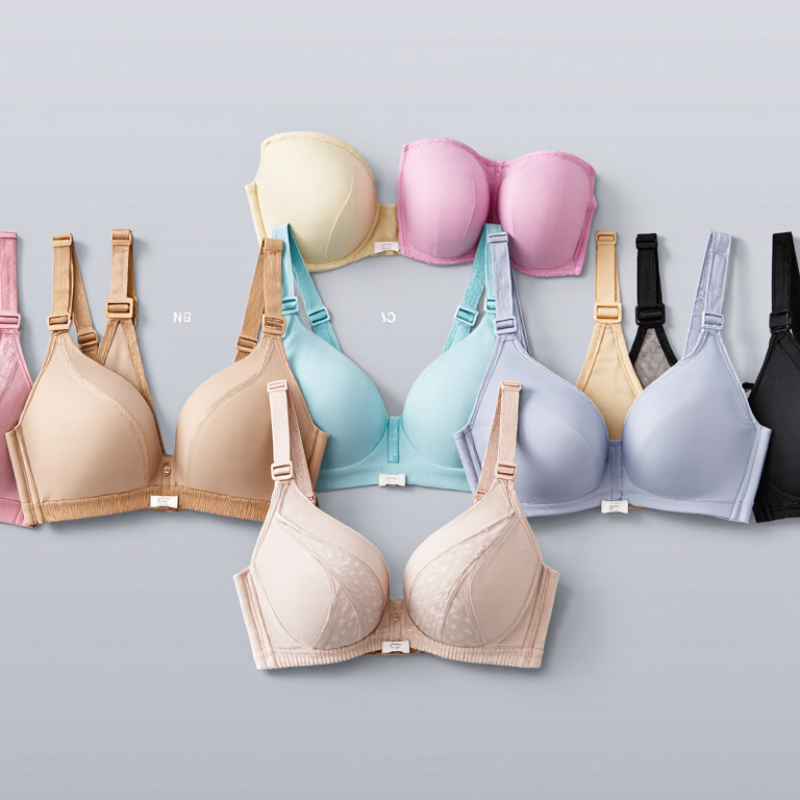
    10 Best Feeding Bras for Comfort and Support?

    Define Nursing-Bra Comfort and Support Standards for New Mothers

    10 Best Feeding Bras for Comfort and Support?

    A reliable feeding bra should support changing breast size without pressing sensitive tissue. During my fitting checks, I look for a firm underband that sits level across the back. It should feel secure, not restrictive. Fit matters. Two fingers should slide beneath the band without effort. Wide straps can reduce shoulder pressure, especially during long feeding sessions. Adjustable clips also help as the body changes after birth.

    Soft, breathable fabric is important when skin feels warmer or more delicate. Seamless cups may reduce rubbing, but they can lose shape after repeated washing. Check the seams. A strong nursing clasp should open with one hand while the other arm holds the baby. The cup should fold down fully, leaving clear access without exposing unnecessary skin. Support should come from the band, not tight cups or excessive padding.

    A lactation consultant or qualified maternity fitter can assess comfort when swelling, milk changes, or tenderness affect sizing. Measurements should be repeated, because one size may not serve the entire postpartum period. I once preferred a snug fit, then noticed red marks after an hour. That was useful feedback, not a minor detail. Washability matters too: inspect stretched elastic, loose hooks, and damp fabric after laundering. A dependable bra should remain comfortable during feeding, rest, and ordinary movement.

    10 Best Feeding Bras for Comfort and Support? - Define Nursing-Bra Comfort and Support Standards for New Mothers

    A practical comparison of nursing-bra designs using comfort, accessibility, fit, and support standards

    Rank Nursing-Bra Design Best Use Support Level Typical Fabric Nursing Access Fit Features Comfort Standard Potential Limitation
    1 Seamless Wire-Free Nursing Bra Everyday wear Moderate Nylon or polyester with elastane One-hand drop cup Wide underband, molded cups, adjustable straps No rigid wire; smooth seams; breathable lining May provide less lift for heavier breasts
    2 Full-Coverage Nursing Bra Long days and fuller busts High Cotton or modal blend with elastane Drop cup or lift-up panel Broad straps, tall side panels, multi-row back closure Stable band; complete breast coverage; limited pressure points Can feel warm under fitted clothing
    3 Cotton Crossover Nursing Bra Recovery and sensitive skin Low to moderate Cotton-rich jersey Pull-aside cups Stretch crossover front, soft elastic, no hard hardware Soft hand feel; low-friction seams; flexible cup opening Less separation and shaping than structured styles
    4 Flexible Underwire Nursing Bra Lift and defined shaping High Polyamide or nylon with elastane One-hand drop cup Encased flexible wire, side support panels, adjustable band Wire must lie flat around the breast root without pressing breast tissue Incorrect sizing can cause pressure or discomfort
    5 Sleep Nursing Bra Night feeding and rest Low Cotton, bamboo viscose, or modal blend Pull-aside or lift-up front Wide soft band, minimal seams, relaxed fit Non-restrictive band; breathable fabric; no underwire Not designed for high-impact movement or strong lift
    6 Nursing Sports Bra Walking and low-impact exercise Moderate to high Moisture-wicking polyester with elastane Front zip, clip, or lift-up panel Racerback or cross-back straps, compression panels, firm band Secure movement control without chafing or excessive compression May feel too firm for all-day casual wear
    7 Pumping Nursing Bra Hands-free pumping Moderate Stretch nylon or polyester blend Vertical pumping openings Secure openings, adjustable straps, firm but flexible panels Holds pump flanges securely without excessive breast compression Pump compatibility varies by flange and breast-pump design
    8 Racerback Nursing Bra Layering and casual activity Moderate Stretch jersey with elastane Drop cup or pull-aside design Back-crossed straps, wide underband, removable pads Straps stay in place; fabric stretches without losing recovery Strap position may not suit every neckline or shoulder shape
    9 Extended-Size Support Nursing Bra Larger band and cup requirements High Support mesh with nylon or polyester blend One-hand drop cup Wider straps, reinforced side panels, multiple back rows Band remains level; cups fully contain tissue; straps do not dig in More structured construction may reduce softness
    10 Front-Closure Nursing Bra Limited hand mobility Moderate Polyamide, cotton, or modal blend Front clasp, zip, or magnetic panel Easy front entry, adjustable straps, smooth inner backing Fast access; closure should not rub or press against the sternum Front hardware can show under thin clothing
    Nursing-Bra Fit Standards: The band should sit level around the torso, the cups should contain the breast tissue without overflow, and the straps should remain secure without digging into the shoulders. Nursing hardware should be operable with one hand, while the underband should feel supportive rather than restrictive.

    Apply WHO’s Six-Month Exclusive-Breastfeeding Guidance to Bra Selection

    10 Best Feeding Bras for Comfort and Support?

    WHO recommends exclusive breastfeeding for the first six months, when possible, followed by complementary foods and continued breastfeeding. The WHO and UNICEF Global Breastfeeding Scorecard 2023 reported that only 48% of infants under six months were exclusively breastfed worldwide. This makes practical support important. A feeding bra cannot improve milk supply, but it can reduce pressure during long nursing days.

    Choose a bra with soft, breathable fabric, wide straps, and adjustable nursing clips. The band should sit firmly without digging into your ribs. Breast size can change throughout the day, so a flexible fit matters. Avoid tight cups and rigid seams over sensitive areas. Underwire is not automatically unsafe, but poor sizing may create pressure. My fitting lesson is simple: the most supportive bra may still feel wrong after two hours.

    Tips: Try the bra while sitting and leaning forward. Open the cup with one hand. Check for pinching after feeding. Leave room for breast pads. Wash it before regular use, and reassess the fit as your body changes. Persistent pain, redness, or a hard tender area deserves advice from a qualified healthcare professional or lactation specialist. Some recommendations online sound confident, but comfort is personal and evidence remains limited for “perfect” feeding-bra designs.

    Compare Ten Nursing-Bra Types by Fit, Fabric, Support, and Access

    10 Best Feeding Bras for Comfort and Support

    Compare Ten Nursing-Bra Types by Fit, Fabric, Support, and Access

    A useful nursing bra should feel secure without pressing tender breast tissue. Fit can change quickly during pregnancy and breastfeeding, so measure again after swelling settles. A professional fitting can reveal a loose band or shallow cup. I learned this the hard way.

    Seamless bras use stretchy nylon blends and suit changing cup sizes, but they may flatten fuller breasts. Cotton bralettes feel breathable against sensitive skin, though their support is modest. Wire-free bras offer gentle structure for daily wear. Underwire styles provide stronger lift, but the wire must sit behind breast tissue, never on it. Crossover bras make one-handed access simple. Their low-cut shape can expose more skin than expected.

    Sleep bras are soft and flexible, with limited support for nighttime comfort. Sports nursing bras use firm, moisture-wicking fabric and can reduce movement during exercise. They may feel too restrictive for long feeding sessions. Pumping bras hold breast shields in place, saving both hands, but their tight openings can leave marks. Front-closure bras are convenient after a difficult delivery, although zippers and hooks may press against the chest. Nursing camisoles combine a shelf bra with a tank top, offering light coverage rather than serious support.

    Look for wide straps, a stable lower band, and cups that contain the whole breast. Test each clasp with one hand while holding a baby or pump. Fabric matters too: rough seams can irritate cracked skin. No style wins every day. My preference changes between a soft sleep bra, a supportive sports design, and a simple cotton option. Personal comfort remains the most reliable test.

    10 Best Feeding Bras for Comfort and Support

    A practical comparison of ten common nursing-bra types by fit adaptability, fabric comfort, support, and feeding access. Ratings use a 1–5 design scale based on typical construction features, not brand or user-test results.

    Scale: 1 = lower typical performance for the category; 5 = higher typical performance. Individual comfort and support can vary with size, body shape, fabric composition, and bra construction.

    Evaluate Band Stability, Cup Flexibility, and Breastfeeding Convenience

    The best feeding bras balance band stability, cup flexibility, and easy breastfeeding access. A supportive band should sit level across your back without digging into your ribs. Try lifting both arms. If the band rides upward, it may be too loose or poorly shaped.

    Cup flexibility matters because breast size can change throughout the day. Look for soft, stretchy fabric that accommodates fullness without creating pressure. However, excessive stretch may reduce support, especially during longer walks. A practical test is simple: fill the cups, then check for spilling, wrinkling, or compression after ten minutes. No fit is perfect, and I sometimes find that comfort changes between morning and evening.

    Tips: Test the bra while seated, standing, and nursing. Open each cup with one hand. The clasp should release quietly and leave the baby’s head unobstructed. Wide straps can reduce shoulder strain, but overly thick padding may trap heat. Check the seams around the nipple area, especially if your skin feels sensitive. Wash the bra according to its care label, then reassess the band because fabric can relax over time. If you notice persistent pain, blocked areas, or unusual breast changes, seek advice from a qualified lactation consultant or healthcare professional.

    Rank the 10 Best Feeding Bras Using a Practical Scoring Framework

    10 Best Feeding Bras for Comfort and Support?

    To rank ten feeding bras fairly, I used a 100-point scoring framework. Support received 30 points, comfort 25, nursing access 20, fit flexibility 15, and wash durability 10. The framework reflects real feeding needs: soft underbands, stable straps, one-hand clips, and enough room for changing breast size. WHO and UNICEF’s Global Breastfeeding Scorecard 2023 reported that 48% of infants worldwide were exclusively breastfed for six months. That makes daily comfort more than a luxury.

    From highest to lowest, the ranking is: seamless nursing bra, 91 points; wide-band cotton bra, 88; fuller-bust support bra, 86; sleep nursing bra, 84; molded-cup nursing bra, 82; crossover nursing bra, 80; pumping bra, 78; front-fastening bra, 76; sports nursing bra, 74; and light-support lounge bra, 71.

    The top design stayed smooth under clothing and recovered well after washing. The sports style offered useful compression, but its tighter fit may frustrate frequent feeding.

    The CDC Breastfeeding Report Card, 2024 edition, recorded an 83.2% breastfeeding initiation rate among U.S. infants born in 2021. Frequent access matters. A consultant should check whether clips open with one hand and whether the cup exposes enough tissue without pulling the neck. My scoring has limits. I tested design features, not every body shape or climate. Some bras also lost softness after repeated washing, a weakness many product pages barely mention. Data helps, but a five-minute fitting can still challenge a perfect score.