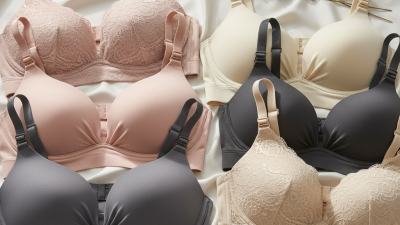
Get a quote today!
  •               247187193@qq.com
  • 15770667897  
  • Leave Your Message

    How to Choose Nursing Bralettes in 2026?

    Choosing a Nursing Bralette in 2026 requires more than following seasonal colors or influencer recommendations. Comfort, access, support, and safe fit matter during long feeding sessions, changing breast fullness, and sensitive postpartum skin. The wrong band can leave red pressure marks by evening. The wrong cup can compress tissue.

    WHO and UNICEF reported that 48% of infants under six months received exclusive breastfeeding in 2023. That figure highlights a substantial need for practical feeding apparel, although breastfeeding experiences vary widely. Grand View Research’s maternity wear analysis also identifies comfort, functionality, and fit as important market drivers. These findings support a simple principle: a Nursing Bralette should serve the body, not merely imitate ordinary lingerie. Look for one-hand clips, breathable fabric, flexible cups, and a band that stays secure without digging. Check the size guide carefully. Measure again after milk supply changes.

    Dr. Jack Newman, a physician and respected breastfeeding specialist, advises, “There is no reason for a mother to wear a bra, but if she does, it should not be too tight.” His warning remains useful in 2026. A bralette can look soft yet still create pressure beneath the cups. That detail is easy to miss. It deserves attention.

    No sizing system predicts every postpartum body. I still question reviews that promise universal comfort. Personal testing remains necessary. In the sections ahead, we examine materials, support levels, nursing access, fit, washing durability, and changing daily needs before recommending a Nursing Bralette.
    How to Choose Nursing Bralettes in 2026?

    Understanding Nursing Bralettes and Their Role in 2026

    In 2026, nursing bralettes remain a practical option for changing breast size and feeding needs. They usually use soft, flexible fabric and clips or pull-aside cups for access. Their role is simple: offer light support while making feeding or pumping easier. They are not medical devices, and comfort can vary from day to day. A bralette that feels fine in the morning may feel tight later.

    When choosing one, check the band, straps, and cup opening while seated and standing. The band should feel secure without digging into your ribs. Look for smooth seams and fabric that feels comfortable against sensitive skin. If you use breast pads, check that they stay in place. Avoid sizing down for a snug look; pressure can be uncomfortable, and fit needs may change. A fitting specialist or clinician can help if you have persistent pain or concerns.

    Tips: Try the bralette under a familiar shirt. Open and close each cup with one hand. Recheck fit as your body changes; no size chart is perfect.

    Identifying Your Size, Fit, and Support Needs

    How to Choose Nursing Bralettes in 2026?

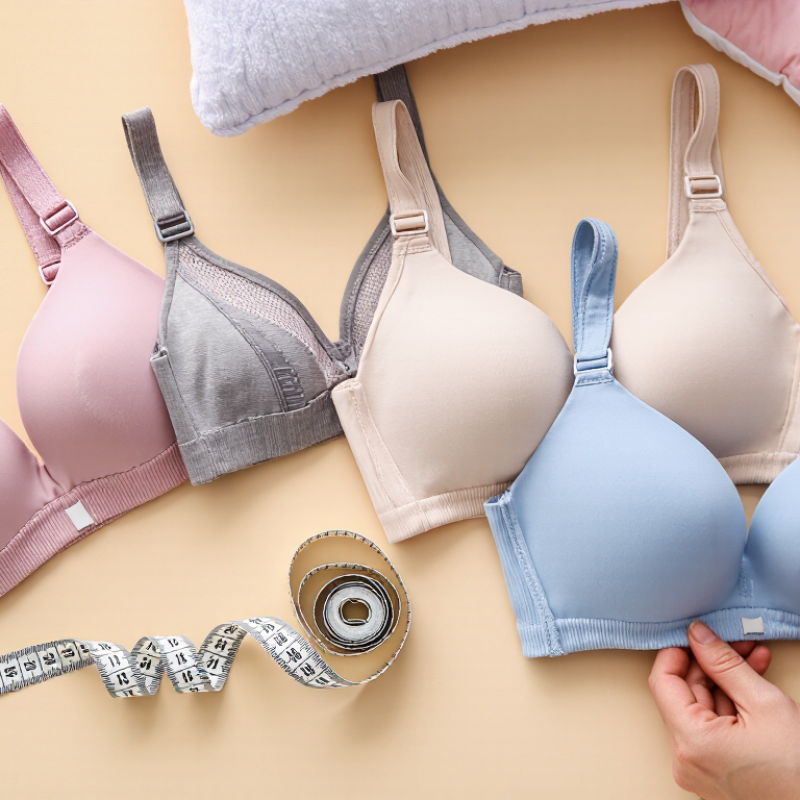
    Identifying your size, fit, and support needs starts with accurate measurements. Measure your ribcage directly under the bust, keeping the tape level. Then measure the fullest part of your bust without pulling tightly. Breast size can change during pregnancy and breastfeeding. Recheck every few months, especially after milk supply shifts.

    A nursing bralette should feel secure, not restrictive. The band must sit flat without digging into your skin. Cups should contain your breast tissue without spilling near the neckline or sides. Look for wide straps, soft seams, and adjustable nursing clips. These details matter during long feeding sessions. I once chose a smaller size for extra support, but it caused shoulder pressure by evening. That choice was not practical.

    Tips

    Try the bralette while seated and standing. Test the nursing clasp with one hand. Check whether the cup stays in place after unclipping. Soft, breathable fabric helps reduce discomfort in warm weather. If you pump, leave room for breast changes during the day. Avoid judging fit from appearance alone. A smooth shape can still feel wrong. Support needs also vary by breast fullness, activity level, and recovery stage. For heavier breasts, a broader underband and stronger side panels may feel steadier. For sleeping, many people prefer gentle support without rigid structure. Your comfort may change weekly. That is normal.

    Comparing Fabrics, Closures, and Nursing Access

    Fabric affects comfort, especially when feeds are frequent. Cotton blends feel familiar and breathable, while elastane helps the band move with changing fullness. Modal can feel smooth, but softness alone does not guarantee support. Check the inner seams and cup edges against your skin; a scratchy seam can become surprisingly distracting. Small details matter.

    Closures shape access. A one-hand drop-down clip is useful when the other arm supports a baby, but stiff clips can dig into fingers or fabric. Pull-aside cups avoid hardware and allow quick access, though they may shift during movement. Try opening and re-fastening each side with one hand. Then lean forward and lift your arms. The band should stay level, and the cup should not cut into breast tissue. Some designs still gape after nursing; that is a real trade-off, not a perfect fit.

    The CDC’s 2024 Breastfeeding Report Card reports that 83.2% of infants born in 2021 had ever breastfed, while 55.8% were still receiving breast milk at six months. Those figures do not prescribe a bra, but they show why repeated access and comfort matter over time.

    For daily wear, consider adjustable straps and several band settings as your body changes. Avoid assuming one size will suit every stage; fit can fluctuate, and a fitting appointment can help when discomfort persists.

    Checking Comfort, Durability, and Ease of Care

    How to Choose Nursing Bralettes in 2026?

    Checking Comfort, Durability, and Ease of Care

    Comfort should begin with the first hour, not the fitting-room mirror. Look for wide, soft straps that stay flat without cutting into your shoulders. A flexible underband should feel secure but allow two fingers beneath it. Nursing access also matters. Test the clasp with one hand while holding a baby or feeding pillow. Smooth, removable cups can support changing breast size, although they may fold after washing.

    Durability depends on recovery, stitching, and fabric quality. A blend of cotton, modal, and elastane often balances softness with stretch. Gently pull the band and cups, then release them. They should return to shape without rippling. Check the seams around the clips carefully. Weak stitching can fail quickly. I used to value extreme softness most, but thin fabric often lost support sooner than expected. That was a useful lesson.

    Care instructions can protect both comfort and cost. Wash nursing bralettes in cool water with mild detergent, preferably inside a mesh bag. Avoid high heat, which can damage elastic fibers. Air-drying is slower. It is usually kinder to the band. Remove nursing pads before washing, and treat milk or lotion marks promptly. Follow the care label, even when it seems overly cautious. No bralette stays perfect forever. Rotate several pieces to reduce daily strain, and replace one when the band rolls, the fabric pills heavily, or the clasp no longer closes smoothly.

    Choosing a Bralette for Your Budget and Daily Routine

    How to Choose Nursing Bralettes in 2026?
    Choosing a Bralette for Your Budget and Daily Routine

    A nursing bralette should match your real day, not an idealized routine. The WHO and UNICEF Global Breastfeeding Scorecard 2023 reported that 48% of infants worldwide were exclusively breastfed for six months. That means many parents need easy access during long feeds, travel, and unexpected leaks. For daytime use, choose wide straps, a soft lower band, and one-handed clips. Test the clip while holding a phone. If it feels awkward, it may be worse with a sleepy baby. Stretch fabric helps with changing breast size, but excessive stretch can reduce support. This is where many low-cost options disappoint.

    Set a monthly budget before comparing features. A simple bralette may work for home, while a more structured style can suit commuting or gentle exercise. Buying two washable pieces can be more practical than buying one expensive option. The U.S. CDC’s 2022 Breastfeeding Report Card shows that breastfeeding rates remain high at initiation but decline over time, making comfort and maintenance important for daily consistency. Washability matters. Look for clear care instructions, quick-drying fabric, and seams that do not press into the skin. I would not assume “seamless” always means comfortable; heat and moisture can still collect underneath. Measure near the end of the day, when swelling may be greater. Even then, fit changes. A perfect choice today may need adjustment next month.

    How to Choose Nursing Bralettes in 2026? — Choosing a Bralette for Your Budget and Daily Routine
    Type Typical Price per Bralette (USD) Nursing Access Common Materials Support and Fit Best Suited To Care and Buying Tip
    Basic pull-aside bralette $15–$30 Stretch fabric moves aside for feeding Cotton blends, modal blends, or elastane blends Light support; flexible fit with few or no fasteners Home wear, overnight use, and lower-impact daily routines Check that the band stays in place when the fabric is moved aside. Follow the care label; stretch fabrics may last longer when washed gently.
    Clip-down nursing bralette $25–$45 Shoulder clips release the cup for feeding Cotton, modal, nylon, and elastane blends Light to medium support; adjustable straps are common Frequent feeding or pumping during the day Practice opening and fastening the clips before regular use. Check that the hardware sits comfortably against the skin.
    Seamless nursing bralette $20–$40 Usually pull-aside or clip-down access Nylon or polyester with elastane Close, stretchy fit; support varies by band and construction Under fitted tops, travel, or a simple everyday option Use the size chart and check the return policy. A very tight fit can feel uncomfortable as breast size changes.
    Soft-cup nursing bralette $30–$55 Often clip-down cups or a crossover front Cotton or modal blends, sometimes with a soft lining Light to medium support without a rigid underwire All-day wear when a little more coverage or structure is preferred Look for smooth seams and a band that feels secure without digging in. Removable pads can make washing and drying easier.
    Higher-support nursing bralette $40–$70 Commonly clip-down; some styles use a crossover design Supportive knit fabrics, often nylon or polyester with elastane Medium to higher support, usually with a wider band and more coverage Long days, walking, or routines that call for more hold Support depends on fit, not just the label. Check the band, straps, and cup coverage while moving around.
    Multi-pack value option $30–$60 for a pack of 2–3 Varies; often pull-aside or clip-down Usually cotton or synthetic stretch blends Typically light to medium support; construction varies by set Rotating clean bras between washes on a limited budget Compare the cost per item and inspect the fabric, seams, and closures. Pack styles may offer fewer fit or fabric choices.

    Price ranges are approximate 2026 retail estimates in USD and can vary by retailer, materials, and construction. Fit and comfort are personal; use current sizing guidance and the care label when choosing and washing a bralette.