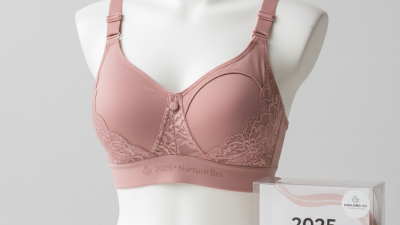
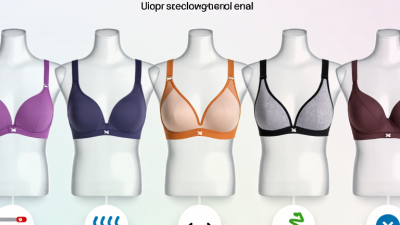
Choosing a Maternity Breastfeeding Bra is about more than convenient nursing access. Fit, support, fabric, and changing breast size all matter. The CDC’s 2024 Breastfeeding Report Card reports that 83.2% of infants born in 2021 were ever breastfed; 55.8% were still breastfeeding at six months. These figures describe feeding patterns, not what a bra can achieve. A bra cannot guarantee comfort or determine feeding duration.
The World Health Organization recommends exclusive breastfeeding for about six months, followed by continued breastfeeding alongside complementary foods. That guidance can make everyday comfort important, but bodies and feeding routines vary. A band that feels fine in the morning may feel tight later. Nursing clips should open easily with one hand, and seams should not press into sensitive areas. Small details count.
Look for adjustable straps, flexible cups, and a band that feels secure without digging in. Check that the fabric feels comfortable against your skin, especially during long days and nighttime feeds. Try the bra while seated and standing, and test the nursing clips before buying. A fitting can help, though it is only a snapshot; sizes may change during pregnancy and postpartum. That part is easy to underestimate. If a bra causes persistent pain, pressure, or skin irritation, stop wearing it and seek advice from a qualified healthcare professional. The best choice is not necessarily the most expensive or most technical. It is the one that fits your current body, suits your routine, and still feels comfortable after a few hours.
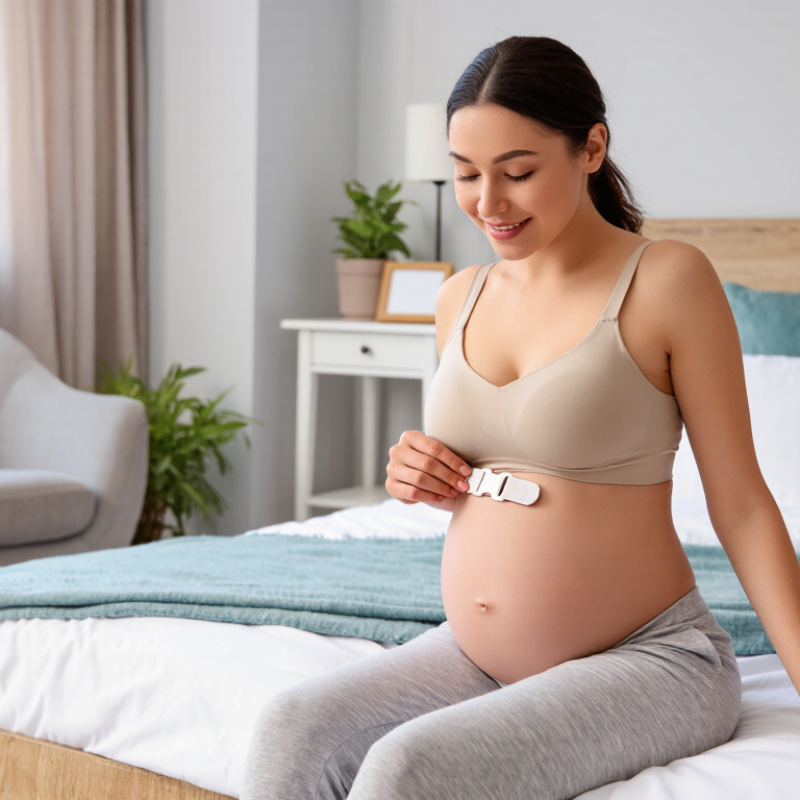
A maternity breastfeeding bra is designed to accommodate changing breast size during pregnancy and make feeding easier after birth. Its main purpose is practical: soft, flexible fabric can feel less restrictive, while drop-down cups allow access without removing the whole bra. Many styles also use wider straps and a broader band to spread support across the shoulders and chest. Features vary, and no single design suits everyone.
Comfort matters more than a particular feature. A band that rides up, straps that dig in, or cups that press on breast tissue may signal a poor fit. Breast size can change from morning to evening, so a bra that fits today may feel different later. Try it while sitting and reaching, not just standing in front of a mirror. A little shifting is normal; constant adjustment is not. I once assumed a softer fabric would solve every fit issue, but shape and sizing mattered just as much.
Tips: Check fit regularly as your body changes. Choose easy-to-open cups you can manage with one hand. If a style feels tight or painful, switch to a more comfortable fit.
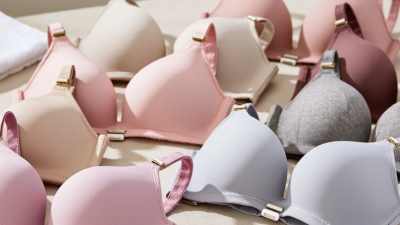
Pregnancy and nursing can call for different bra styles, even within the same month. A changing body rarely follows a neat size chart. During pregnancy, a soft, adjustable bra with a wide band can accommodate shifting comfort needs without pressing into tender areas. Look for straps that stay put and cups that cover without digging at the sides. Try it while seated and standing; a band that feels fine in a fitting room may feel restrictive after a full day.
For nursing, choose a style that makes feeding manageable with one hand. Clip-down cups offer quick access, while crossover designs can be easier to pull aside, especially at night. Sleep bras favor soft fabric and gentle support; they are not meant to feel like structured daytime bras. Fit changes. Leave room for fluctuations, but avoid sizing up so much that the band rides up or cups gape. Check seams and closures beneath a shirt, where rubbing may become noticeable. One fitting is not a final answer; it is easy to assume it is. Recheck fit as your body changes, and ask a lactation professional or clinician about persistent pain or pressure.
| Bra Style | How It Works | Best For | Potential Trade-Offs | What to Look For |
|---|---|---|---|---|
| Pull-Aside Bra | The soft cups move aside to provide access for nursing; there are no clips to undo. | Sleeping, relaxing at home, and quick nursing access. | May offer less shaping or support, particularly for fuller busts. | Stretchy fabric, a wide underband, and enough coverage to stay in place when the cup is moved. |
| Nursing Clip-Down Bra | A clasp at the strap releases the cup for nursing while the band remains fastened. | Everyday wear and convenient one-handed access after some practice. | Clip placement and cup construction can affect comfort and ease of use. | Easy-to-operate clips, adjustable straps, and cups that fold down without digging in. |
| Maternity Bra with Flexible Underwire | Uses a shaped wire for structure, often with nursing clips or another nursing-access design. | People who prefer more lift and separation, provided the fit remains comfortable. | A poor fit or pressure from the wire may cause discomfort; it may not suit everyone. | A wire that sits flat against the rib cage and surrounds breast tissue without pinching or pressing. |
| Wireless Seamed Bra | Fabric seams and paneling shape the cups without a rigid underwire; nursing access varies by design. | Daily wear for those who want structure without an underwire. | Seams may show under thin clothing, and support depends on the cut and fit. | Smooth, comfortable seams, supportive cup panels, and a band that stays level. |
| Nursing Sports Bra | A supportive athletic design with nursing access, commonly through clips or pull-aside cups. | Low-impact activity, walks, and active daily routines. | Compression styles can feel restrictive if too tight or worn for long periods. | A secure but comfortable fit, breathable fabric, and enough room for normal breast changes. |
| Sleep Nursing Bra | A soft, usually wireless bra designed for light support and convenient nighttime access. | Sleeping, lounging, and wearing with nursing pads if desired. | Typically offers less lift and shaping than a daytime bra. | Soft, breathable fabric with no stiff seams or fasteners that cause pressure while resting. |
| Bustier or Longline Nursing Bra | An extended band or torso-length design distributes support over a larger area; nursing access depends on the model. | Those who prefer a broader band or a smoother look under some outfits. | May feel warm or restrictive, and a longer band can roll on some body shapes. | Flexible construction, secure nursing access, and a hem that does not dig in or roll. |
Fit tip: Breast and rib-cage measurements can change during pregnancy and nursing. Choose a bra that feels comfortable when fastened, leaves room for normal fluctuations, and does not pinch, dig in, or restrict movement. Recheck the fit as your body changes.
A maternity breastfeeding bra should feel secure without pinching or leaving deep marks. Check the band while standing and sitting; it should stay level as you move. Cups should contain breast tissue without bulging at the sides or top. Leave a little room for normal size changes, but avoid guessing too far ahead. Fit can shift during pregnancy and breastfeeding, so one fitting may not tell the whole story.
Support comes from a steady band, adjustable straps, and cups that hold without pulling. Soft, breathable fabric can feel more comfortable during long days, especially in warm weather. Look for smooth seams and closures that do not rub under clothing. Nursing clips should open with one hand, but test them before buying. A clever clasp is no help if it sticks.
Tips: Try the bra at different times of day, when fullness may vary. Raise your arms and lean forward to check that the band and cups stay in place. Choose a fabric you can wash often and that dries reasonably quickly. Fit guides are useful, not perfect; bodies change, and sizing labels vary. If a bra causes persistent pain or pressure, ask a lactation professional or clinician for individual advice.
Finding a bra size during pregnancy and breastfeeding is less like solving a fixed equation and more like checking the fit as your body changes. Measure around your rib cage, just beneath your breasts, with a soft tape held level and snug, not tight. Then measure around the fullest part of your breasts without compressing them. Bodies change. Fit changes. A chart can suggest a starting size, but it cannot account for every shape or daily fluctuation.
Try a bra when your breasts feel typical, and check the fit while sitting and reaching forward. The band should stay level and feel secure; cups should contain breast tissue without pressing or gaping. Leave a little room if your size is changing quickly, but avoid sizing up so much that the band loses support. Comfort matters. So does movement. A style that feels fine while standing may pinch when you bend or lift your arms. Recheck your measurements every few weeks, or after a noticeable change in fullness. It is tempting to treat one measurement as final, but that expectation often creates more frustration than clarity. If a bra causes persistent pain or pressure, try a different fit and consider asking a lactation professional for individualized guidance.
A quick guide to finding the right size as your breasts change
This approximate US sizing guide pairs each cup step with about one inch of difference between the fullest bust and snug underbust measurements. Breast size can change during pregnancy and breastfeeding, so remeasure when your bra fit changes and use the specific sizing guide for the bra you choose. A comfortable band should feel secure without digging in, and cups should contain breast tissue without gaps or spillage.
A maternity breastfeeding bra should feel steady without pressing hard on tender tissue. Check the band while seated and standing; it should stay level without digging in. Open and close each cup one-handed, then see whether the fabric lies flat again. Small details matter. CDC’s 2022 Breastfeeding Report Card reports that 55.8% of infants born in 2019 were still receiving some breast milk at six months. That makes day-to-day comfort worth considering, not just the fit in a shop.
Durability shows up in seams, straps, and recovery. Look for smooth stitching around the cups and straps that do not twist after adjustment. Gently stretch the band and fabric; they should return toward their original shape. I would not assume a higher price guarantees longer wear. Fit can also change during pregnancy and nursing, so reassess rather than forcing a bra that has become tight.
Care should be simple enough for a tired evening. Check the sewn-in label for washing temperature and drying instructions, and consider whether removable pads are easy to reposition. A mesh laundry bag can help limit snagging, though it cannot prevent all wear. Wash a new bra as directed before relying on it. If the fabric pills, the band rolls, or the hooks irritate your skin, those are practical signs to reconsider it.