Leave Your Message
Breastfeeding can turn an ordinary bra into a daily source of pressure, rubbing, or frustration. A dependable Supportive Nursing Bra should feel secure during feeding, pumping, walking, and long hours of holding a baby. It should not dig into the ribs or compress tender breast tissue. Small details matter, especially a wide underband, adjustable straps, flexible cups, and one-handed nursing clips.
Sarah Wells, a nursing and pumping apparel designer, offers a useful principle: “Support should never come at the expense of comfort.” That idea guides this comparison. Each bra should be judged by real-life performance, not attractive photos alone. We consider fabric softness, cup accessibility, breathability, sizing clarity, and support during movement. A bra that feels perfect at breakfast may feel tight by evening.
There is no universal winner. Bodies change quickly after birth, and sizing charts can be inconsistent. Some readers may prefer a wire-free design, while others need structured support for fuller breasts. Personal experience also has limits. A reviewer’s comfortable fit may not suit another parent’s shape or milk supply. These seven Supportive Nursing Bra options deserve attention because they balance practical support with everyday comfort. Expect trade-offs. The best choice should leave you feeling held, not restricted.
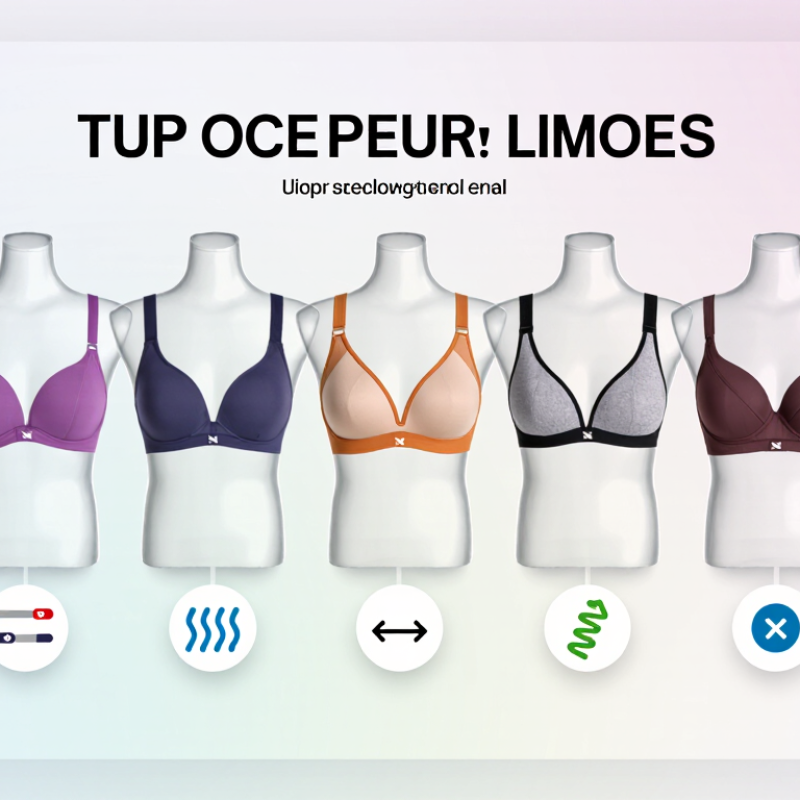
What Makes a Supportive Nursing Bra Effective
A supportive nursing bra should feel stable, not restrictive. The band carries most of the weight, so it must sit level across your back. You should slide two fingers underneath comfortably. If the band rides upward, the bra is probably too loose.
Breast size can change during the day. Milk volume, swelling, and feeding patterns all affect fit. The 2023 WHO/UNICEF Global Breastfeeding Scorecard reported that 48% of infants under six months were exclusively breastfed worldwide. This highlights the need for practical support during frequent feeding periods. Look for wide straps, flexible cups, breathable fabric, and several adjustment levels. One-handed clips also matter when a hungry baby is crying.
Support should not mean pressure. A very tight cup may leave red marks, compress tissue, or feel painful after feeding. A soft, seamless design can reduce rubbing, especially around sensitive nipples. I still make one mistake: judging comfort while standing still. Walk, bend, and lift your arms before deciding. The CDC’s 2022 Breastfeeding Report Card recorded an 83.2% ever-breastfed rate in the United States, showing how many mothers may need reliable daily nursing clothing. However, no single design suits everyone. Bodies change. Check the fit again after feeding, and replace a stretched band when it stops recovering.
| No. | Nursing Bra Style | Supportive Construction | Typical Support | Best Use | Breastfeeding Access | Key Fit Checks | Comfort Considerations |
|---|---|---|---|---|---|---|---|
| 1 | Wide-Band Full-Coverage Nursing Bra | Broad underband, full cups, reinforced side panels, and adjustable straps help distribute breast weight across the torso. | High | Everyday wear, fuller busts, and longer periods of standing or walking. | One-handed drop-down cups with secure nursing clips. | The band should sit level without riding up; the cups should contain the breast tissue without cutting in at the top or sides. | Choose soft, breathable lining and avoid excessively tight bands, especially during early milk production. |
| 2 | Wireless Contoured Nursing Bra | Molded or lightly structured cups, a wide elastic band, and multi-row back hooks provide shape without a rigid underwire. | Medium–High | Daily support when flexibility and a smooth silhouette are priorities. | Drop-down cups or pull-aside panels allow access while seated or holding the baby. | The center front should lie comfortably against the chest, while the molded cups should not compress changing breast tissue. | Wireless designs can reduce pressure points, but firm elastic should not leave deep marks or cause localized soreness. |
| 3 | Seamless Ribbed Nursing Bra | Stretch-knit fabric, wide shoulder straps, an extended underband, and knitted support zones provide gentle compression. | Medium | Pregnancy, postpartum changes, sleep, and relaxed daytime wear. | Pull-aside cups or overlapping front panels provide quick access. | The fabric should stretch over fullness without flattening the breasts or rolling beneath the bust. | Seamless construction minimizes irritation; moisture-wicking fibers are useful for leakage and warm weather. |
| 4 | Full-Coverage Flex-Wire Nursing Bra | A flexible, padded, or fabric-covered wire supports the lower cup while full coverage and side support improve containment. | High | Structured daytime wear for people who prefer defined shape and strong lift. | Drop-down cups should open fully without forcing the cup or wire to twist. | The wire must follow the breast crease and remain outside breast tissue; it should not press into the underarm or center breast. | Use only when correctly fitted. Remove it if it causes pain, pressure, blocked areas, or persistent red marks. |
| 5 | Nursing Sports Bra | Racerback or cross-back straps, a firm underband, separated cup panels, and moisture-managing fabric limit movement. | Medium–High | Walking, low-impact exercise, postpartum recovery activities, and active days. | Front clasps or adjustable nursing panels can provide access without removing the whole bra. | Support should come from the band and cups rather than excessive compression; breathing and arm movement should remain unrestricted. | Look for quick-drying fabric, smooth seams, and enough room for breast changes during and after feeding. |
| 6 | Pumping-Friendly Nursing Bra | Reinforced inner openings hold pump flanges in position, while an adjustable band and supportive outer layer help maintain stability. | Medium | Hands-free pumping and combined nursing-and-pumping routines. | Designed with openings or layered panels that allow pump access while preserving nursing access. | The openings should align with the nipples and flange size without squeezing the breast or pulling the pump off-center. | Avoid overly tight compression during pumping; removable pads and washable, breathable fabric can improve hygiene and comfort. |
| 7 | Sleep and Recovery Nursing Bra | Soft stretch fabric, a wide lower band, overlapping front panels, and light internal support reduce movement without rigid structure. | Low–Medium | Overnight use, rest periods, skin-sensitive days, and early postpartum comfort. | Pull-aside or crossover panels allow quiet, one-handed access during night feeds. | The band should stay in place without constricting breathing, and the cups should not create pressure on tender areas. | Select breathable, tag-free materials and avoid tight compression if the breasts are engorged or sensitive. |
Support level depends on the garment’s construction and fit rather than the style name alone. During breastfeeding, choose a band that stays level, cups that contain the breast without pressure, and adjustable features that accommodate normal changes in breast size.