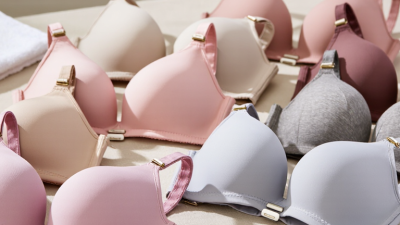
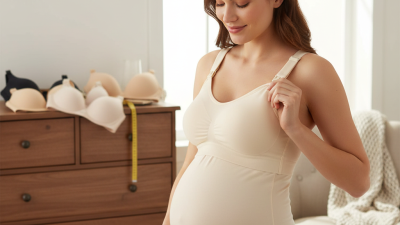
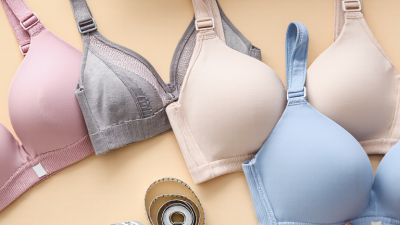
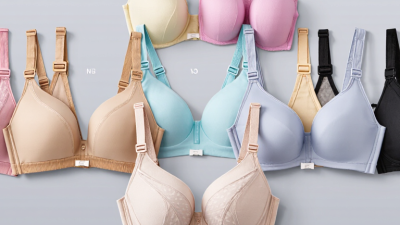
Choosing the right Nursing Breastfeeding Bra supplier in 2026 requires more than comparing prices or attractive product photos. Mothers need dependable support during feeding, pregnancy, sleep, and daily movement. Suppliers must also show consistent sizing, safe materials, practical nursing access, and responsible production practices.
Dr. Jane Morton, a breastfeeding medicine specialist, has said, “Breastfeeding is a learned skill, not an instinct.” Her point also applies to nursing apparel. A bra should reduce physical and mental effort, not create another problem. Easy one-hand clips, wide shoulder straps, soft seams, breathable cotton blends, and stable under-bust bands can make midnight feeding less frustrating. Small details matter.
This guide examines leading global Nursing Breastfeeding Bra suppliers through product quality, manufacturing experience, customization capacity, certifications, customer feedback, and delivery reliability. It also considers whether suppliers provide clear measurement charts and realistic support claims. Some companies look impressive online but offer limited testing evidence. That deserves caution. A polished website is not proof of quality.
Supplier performance can change between seasons. Materials, factory locations, and minimum order quantities may also shift. Therefore, buyers should request current samples, inspection records, fabric details, and updated quotations before making decisions. No supplier is perfect. Even experienced brands may receive complaints about fit or clasp durability. Transparent responses often reveal more than perfect ratings.
The strongest suppliers combine comfort, engineering, and consistent communication. This overview helps retailers, maternity brands, and private-label buyers compare them with greater confidence.
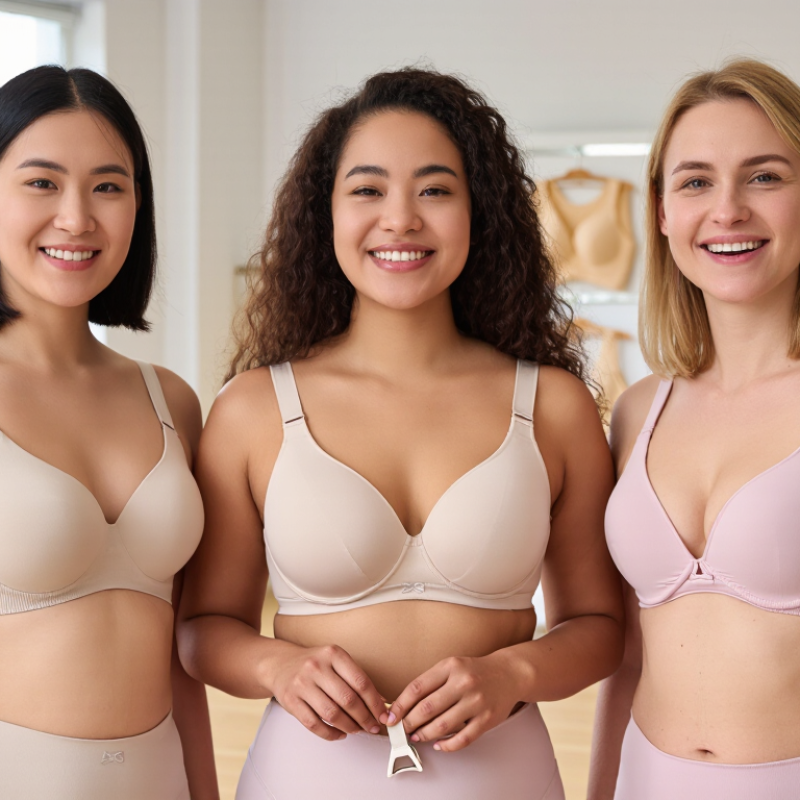
2026 Top Nursing Breastfeeding Bra Suppliers Worldwide
What Defines a High-Quality Nursing Breastfeeding Bra Supplier
A high-quality supplier understands postpartum comfort, not only garment production. Their bras should support changing breast sizes without pressure, pinching, or difficult clasps. Soft cotton blends, breathable mesh, and smooth seams can reduce irritation during long feeding sessions. Practical testing matters. Sample bras should be worn, washed, and adjusted by real nursing users before bulk production.
Tips: Check fabric composition, stretch recovery, cup flexibility, and one-hand nursing access. Ask for test reports, factory audit records, and clear size measurements. A supplier that answers these details promptly usually understands quality control. Still, quick replies do not prove everything. Independent verification remains necessary.
Reliable suppliers provide traceable materials and consistent production records. They should explain how they control stitching, elastic tension, color fastness, and packaging hygiene. Experienced teams may offer fit samples for different body shapes, including fuller busts and uneven breast changes. They should also discuss minimum order quantities, lead times, and replacement procedures openly. Poor communication often creates expensive mistakes later. I would not judge a supplier from photographs alone; images can hide weak support and rough finishing. Small details matter, especially when a mother wears the bra overnight or during repeated feeding.

High-quality suppliers are evaluated across product performance, safety, manufacturing capability, and service reliability. The weighting below represents a practical procurement benchmark for comparing suppliers without relying on company or brand data.
Interpretation: Product comfort and fit, dependable breastfeeding access, material safety, and consistent manufacturing quality are the most important factors when assessing nursing bra suppliers worldwide.
Global buyers should evaluate nursing bra suppliers beyond price and catalogue depth. The WHO and UNICEF Global Breastfeeding Scorecard 2023 reported that 48% of infants under six months were exclusively breastfed worldwide. This sustained demand requires comfortable, washable, and adaptable products.
Request pre-production samples, then test cup recovery, clasp strength, seam irritation, and support after repeated washing. Fit evidence matters more than polished photographs.
Material documentation should identify fibre content, dyes, elastics, and finishing chemicals.
Buyers should request independent test reports for colourfastness, restricted substances, tensile strength, and skin-contact safety. OEKO-TEX Standard 100 certification can support chemical screening, but certificates need scope and validity checks.
A certificate alone is not proof of consistent factory performance. I would also inspect production records, worker training, corrective actions, and complaint handling.
Supply reliability deserves equal attention.
UNCTAD reports that ships carry over 80% of global merchandise trade by volume, so port disruption can quickly affect replenishment.
Compare minimum order quantities, sampling timelines, capacity during peak seasons, and backup production sites. Ask for batch traceability and shipment data.
Shorter lead times sound attractive. They may hide overtime pressure or weak quality control.
A practical scorecard should weight fit performance, compliance evidence, communication speed, and total landed cost, not unit price alone. One overlooked detail is packaging: compressed cups can arrive permanently distorted.
Regional expertise strongly influences nursing bra quality, delivery speed, and compliance. European suppliers often emphasize refined fit, breathable fabrics, and detailed material documentation. Their designs may suit customers seeking softer support and discreet nursing access.
North American suppliers commonly offer broader size ranges and practical pumping features. Many provide adjustable straps, wider underbands, and front clips tested for repeated use.
Asia-Pacific suppliers remain important for scalable production and flexible customization. Factories in this region may support small design changes, private labeling, and varied fabric weights. Communication quality still differs between suppliers. Check carefully.
Latin American suppliers can provide shorter regional shipping routes and fit knowledge for local consumers. Their production strength may vary by country and facility. In the Middle East and Africa, suppliers increasingly focus on modest coverage, warm-climate fabrics, and adaptable sizing. Local market research is essential because nursing habits and clothing preferences differ widely.
A reliable supplier should share test reports, fiber content, size charts, and production timelines. Ask how many wash cycles the fabric can tolerate. Inspect hook strength, seam recovery, and cup opening alignment. Fit matters. Records matter. Some product pages look professional but provide weak evidence. Independent samples remain valuable, even when schedules feel tight. Price alone cannot confirm quality, and regional reputation should never replace direct verification.
In 2026, reliable nursing bra suppliers are judged by product standards, material control, and manufacturing discipline. A strong supplier should provide fabric composition, test reports, and clear production records. Testing should cover colorfastness, dimensional stability, seam strength, and wash durability. Skin-contact areas deserve extra attention. Rough labels or stiff elastic can quickly cause discomfort during long feeding sessions.
Material selection affects both comfort and product life. Cotton blends offer softness, while modal or viscose-based fibers can improve drape and moisture handling. A measured amount of elastane supports recovery without excessive pressure. Breathable panels may help in warm climates, but they must remain durable after repeated washing. Suppliers should also explain whether dyes, finishes, and accessories meet the buyer’s target-market requirements. Claims need evidence, not attractive wording.
Manufacturing capability appears in small details. Look for graded patterns, stable cup shaping, secure nursing clips, clean bartacks, and consistent elastic tension. A capable factory should manage samples, size ranges, inline inspections, and final checks under one documented process. Traceability for fabric lots can support faster investigation when defects appear. No supplier gets every sample right. That is normal, but weak suppliers hide the problem. Buyers should compare preproduction samples after washing, stretching, and repeated opening. A beautiful first sample can still fail in real use. Feedback from fit testers, production technicians, and nursing consumers creates stronger evidence than photographs alone.
Choosing a nursing bra supplier starts with product evidence, not a polished catalog. Request pre-production samples in several sizes. Check one-handed clips, strap recovery, seam softness, and support after washing. Test the bra on real users, if possible. Their feedback exposes pressure points that factory photos hide. Ask for fabric composition, colorfastness results, and shrinkage data. A comfortable sample is not enough. Fit can change between batches.
Review the supplier’s manufacturing controls before discussing large orders. Ask how materials are traced, inspected, and stored. Reliable suppliers can explain needle control, measurement tolerances, and final inspection records. Request current quality documents from recognized testing bodies, then verify their scope and dates. Confirm that production follows the rules of each target market. Do not accept vague compliance language. It sounds reassuring, but proves little. Visit the facility or arrange an independent audit when order value justifies it.
Commercial fit matters as much as technical quality. Compare minimum order quantities, sampling fees, payment terms, lead times, and replenishment speed. Ask what happens when a shipment contains uneven stitching or missing accessories. A written corrective-action process protects your margin. Discuss packaging dimensions, carton strength, labeling, and discreet handling. Then test communication with a small pilot order. Count response time and note whether answers remain consistent. I would not choose the cheapest offer automatically. Cheap can become expensive through rework, delays, and returns. Still, premium pricing is not proof of excellence. Score each supplier against your priorities, and revise the score after the first delivery.