Get a quote today!
  •               247187193@qq.com
  • 15770667897  
  • Leave Your Message

    2026 Best Cotton Feeding Bra Suppliers for Global Buyers

    Global buyers are paying closer attention to comfort, traceability, and long-term value in the Cotton Feeding Bra market. The WHO and UNICEF Global Breastfeeding Scorecard 2023 reported that 48% of infants under six months received exclusive breastfeeding worldwide. That figure highlights a practical need for supportive nursing apparel. A well-designed Cotton Feeding Bra should simplify feeding, not create another daily obstacle.

    The material story also matters. Textile Exchange’s Materials Market Report 2024 estimated global fiber production at 124 million tonnes in 2023, with cotton representing about 19%. These figures encourage buyers to examine fiber claims, farming practices, dye safety, and supplier documentation. Look for verified cotton content, colorfastness testing, stable elastic recovery, and clear factory audit records. Details matter. A thin, scratchy strap can ruin an otherwise attractive product.

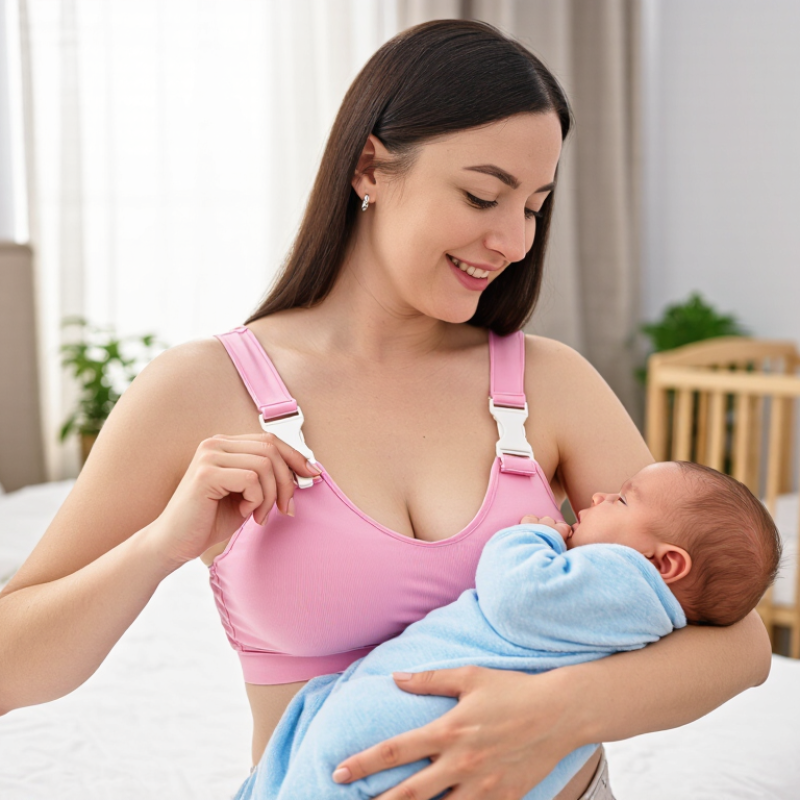
    Dr. Jane Morton, a breastfeeding-medicine specialist, offers a useful reminder: “Breastfeeding is natural, but it is not always easy.” Her observation applies directly to product design. Easy-release clips, broad shoulder straps, breathable knit structures, and smooth seams can reduce frustration during night feeds. However, no supplier list is perfect. Sizing standards differ, cotton blends may be described inconsistently, and laboratory certificates can become outdated. Global buyers should request recent test reports, production samples, wash-cycle results, and references from comparable markets. The strongest Cotton Feeding Bra suppliers combine dependable manufacturing with honest communication. That combination deserves more attention than polished catalog photography.
    2026 Best Cotton Feeding Bra Suppliers for Global Buyers

    What Defines a High-Quality Cotton Feeding Bra Supplier in 2026

    2026 Best Cotton Feeding Bra Suppliers for Global Buyers

    What Defines a High-Quality Cotton Feeding Bra Supplier in 2026

    A high-quality cotton feeding bra supplier understands comfort beyond a product photograph. During wear tests, the fabric should feel soft after washing, not only on the first day. Combed cotton, stable stitching, and breathable panels matter for long nursing sessions. The bra should support the bust without pressing sensitive areas. Easy one-hand clips are practical at night. Small details matter.

    Reliable suppliers provide clear fiber composition, size charts, wash-care instructions, and production records. They should share test reports for colorfastness, shrinkage, fabric strength, and harmful substances. Samples must match bulk production in fabric weight, elastic recovery, and cup shape. A serious factory also explains its inspection process. Ask for photographs from cutting, sewing, and final packing stages. These details reveal more than polished sales language.

    Communication is another quality measure. Good suppliers confirm measurements, tolerances, packaging, and delivery schedules in writing. They should manage reasonable minimum order quantities for growing buyers. Traceable materials and documented worker-safety practices strengthen purchasing confidence. Still, no supplier is flawless. A sample may fit well but reveal weak hooks after repeated washing. I would request another test before placing a large order. That extra step can prevent costly returns and protect the wearer’s daily comfort.

    Key Features and Materials in Modern Cotton Feeding Bras

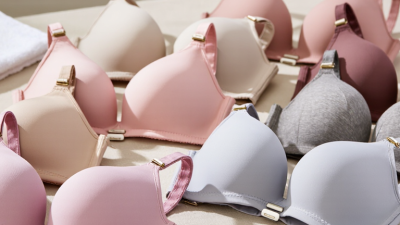
    Modern cotton feeding bras balance softness, access, support, and long hours of wear. Combed cotton usually feels smoother against sensitive skin than coarse fibers. A small elastane percentage helps the cups recover after repeated stretching. However, too much elastane can reduce the breathable feel buyers expect from cotton.

    Practical details matter. One-hand nursing clips should open smoothly, even when the wearer is holding a baby. Drop-down cups need enough fabric coverage to prevent slipping during feeding. Wide, adjustable straps reduce pressure, while a broad underband distributes support across the torso. Seamless knitting can limit rubbing, but it may offer less shaping for fuller busts. Fit is not universal.

    Suppliers should provide fiber percentages, fabric weight, shrinkage results, and colorfastness reports. Buyers can request samples after washing them several times, not only after a first fitting. Check the hook strength and cup recovery. Small failures become costly complaints. Cotton blends with modal or bamboo-derived fibers may improve drape and moisture handling, but their processing claims require verification. Organic cotton can support a responsible sourcing program, yet certification documents must match the actual production lot. In my experience, size charts often look precise but ignore changing breast volume. A flexible fitting plan is safer. Some samples still need revision.

    How Global Buyers Should Evaluate Feeding Bra Suppliers

    2026 Best Cotton Feeding Bra Suppliers for Global Buyers

    Global buyers should evaluate feeding bra suppliers through evidence, not polished catalogs. Ask for recent production photos, factory capacity, and a clear quality-control process. Experienced suppliers can explain cotton fiber content, fabric weight, shrinkage, and colorfastness without vague claims. Request samples from the same production line planned for bulk orders. A sales sample may look perfect, yet production quality can differ.

    Inspect each sample after repeated washing. Check whether the nursing clips open with one hand and remain secure during movement. Examine shoulder straps, elastic recovery, cup seams, and inner labels. The fabric should feel breathable against sensitive skin. It should also keep its shape after washing. Small details matter. Ask for independent test reports when available, then verify the laboratory and report dates. Certificates alone are not enough.

    Reliable suppliers disclose minimum order quantities, lead times, packing methods, and acceptable defect rates. They should provide traceability for cotton materials and explain their labor and environmental practices. Compare their answers with destination-market labeling and safety requirements. A small pilot order can reveal communication delays, uneven sizing, or weak packaging before a large commitment. My own evaluation would not rely on one inspection; unexpected problems still happen. A supplier that admits limitations and documents corrective actions may be more dependable than one promising perfection.

    Top Supplier Regions and Manufacturing Capabilities to Compare

    For global buyers, supplier region is only the starting point. Manufacturing depth matters more for cotton feeding bras. Softness, recovery, and access openings must work together. Textile Exchange’s Materials Market Report 2024 estimates global fiber production at about 124 million tonnes in 2023. Cotton remains a major natural fiber. That scale supports broad sourcing, but it does not guarantee consistent yarn quality. Ask whether the supplier controls spinning, knitting, dyeing, cutting, and final inspection.

    South and East Asian hubs often offer integrated knitting and garment capacity. Turkey can appeal to buyers needing shorter European replenishment routes. South Asia may provide competitive labor and large apparel ecosystems. East Asia often offers advanced automation and dense accessory networks. These are broad patterns, not guarantees. USDA’s Cotton: World Markets and Trade reports China, India, and Brazil among leading cotton producers, but cotton origin alone says little about bra construction. Verify staple length, yarn count, fabric GSM, elastane recovery, and shrinkage after washing.

    Factory audits should examine nursing clips, seam strength, needle control, colorfastness, and metal detection. Request production records, not only attractive samples. A sample may pass while bulk lots drift. That happens. Compare laboratory results from accredited facilities with the supplier’s internal data. Check whether testing follows recognized textile methods and whether corrective actions are documented. I would also score lead-time realism, order flexibility, traceability, and water-management practices. A low quote can become expensive. Rework, delayed approvals, and inconsistent cup sizing quickly erase savings.

    Ordering, Compliance, and Quality Checks for International Buyers

    For global buyers, selecting a cotton feeding bra supplier requires more than comparing unit prices. Request fabric composition, size charts, production capacity, and recent test reports before ordering. A clear purchase order should state cotton percentage, color codes, stitching standards, packaging, and delivery terms. Small details prevent expensive misunderstandings.

    Compliance documents must match the destination market. Check fiber labeling, care instructions, chemical safety reports, and social responsibility records. Ask whether testing covers dyes, metal components, and skin-contact materials. Request production samples before approving bulk manufacturing. Inspect the elastic under the bust; it should recover after repeated stretching without leaving sharp pressure points. Also examine nursing clips, seams, padding, and odor. These practical checks often reveal problems that documents cannot show.

    Tips: Use a written inspection checklist. Measure ten random pieces, not only one. Photograph defects beside a ruler. Keep sealed samples from every approved batch. AQL inspection can support consistency, but it is not a substitute for product knowledge. Suppliers may provide accurate reports, yet report dates and sample details still need verification. A perfect checklist does not exist. Review complaints after each shipment, and adjust future orders accordingly. Fresh cotton smell is not proof of quality. Feel matters. Test comfort after washing, because shrinkage and elastic fatigue may appear later.

    2026 Best Cotton Feeding Bra Suppliers for Global Buyers - Ordering, Compliance, and Quality Checks for International Buyers

    Typical market benchmarks for international sourcing. Actual terms depend on product specifications, order quantity, destination market, and supplier verification.
    Supplier Category Common Production Region Typical MOQ Sample and Bulk Lead Time Common Cotton Fabric Options Order Suitability Compliance Documents to Request Key Quality Checks Main Buyer Risk
    Small-batch private-label factory South and Southeast Asia Approximately 100–500 pieces per color or style Sample: 7–21 days
    Bulk: 30–60 days after approval
    Combed cotton jersey, cotton-modal blends, cotton with a small percentage of elastane Online brands, maternity boutiques, pilot launches Fiber composition report, azo-dye test, colorfastness report, factory social-compliance evidence, country-of-origin details Size measurement, nursing-opening function, seam comfort, wash shrinkage, color transfer, elastic recovery Inconsistent grading or limited laboratory documentation
    Mid-volume OEM underwear manufacturer East and Southeast Asia Approximately 500–3,000 pieces per style Sample: 10–25 days
    Bulk: 45–75 days after approved pre-production sample
    Cotton-spandex jersey, rib knit, brushed cotton, moisture-managed cotton blends Regional distributors, established e-commerce sellers, retail programs ISO 9001 evidence where applicable, restricted-substance test report, needle and metal-control procedure, inspection records, packaging specification AQL inspection, cup symmetry, strap strength, clip cycle test, bartack security, dimensional tolerance, carton moisture protection Production substitutions or deviations from the approved sample
    Large-scale export apparel factory China and other established Asian apparel hubs Approximately 1,000–10,000 pieces per style Sample: 15–30 days
    Bulk: 60–90 days, subject to fabric booking
    Combed cotton, organic cotton when certified, cotton-polyamide blends, stretch jersey Supermarket, department-store, and multi-country programs Applicable destination-market labeling files, REACH-related test evidence for EU sales, CPSIA-related testing for U.S. children’s products where applicable, transaction certificates for certified organic claims Third-party pre-shipment inspection, fabric weight, pH, formaldehyde where required, flammability where applicable, colorfastness, needle detection Higher MOQ, longer booking cycles, and reduced flexibility for custom changes
    European nearshore lingerie manufacturer Türkiye, Portugal, and Eastern Europe Approximately 300–2,000 pieces per style Sample: 10–25 days
    Bulk: 35–70 days
    Long-staple cotton jersey, organic cotton jersey, cotton-modal, soft rib knit EU and UK buyers requiring shorter replenishment cycles EU fiber-labeling information, REACH-related chemical test evidence, social-audit documentation, origin statement, certified-material transaction records when applicable Hand-feel consistency, seam abrasion, wash appearance, elastic recovery, label accuracy, carton and barcode verification Higher unit cost and possible limitations on low-cost promotional packaging
    Certified-material specialist Any region with a valid certified textile supply chain Approximately 500–3,000 pieces per style, depending on certified fabric availability Sample: 14–30 days
    Bulk: 50–90 days
    Organic cotton, recycled-content blends where permitted, low-impact dyed cotton, certified cotton jersey Buyers making organic, environmental, or responsible-sourcing claims Current scope certificate, transaction certificate, certification number, approved-supplier-chain details, chemical-management evidence, product test report Certificate validity, fiber percentage, chain-of-custody documents, dyeing consistency, shrinkage, pilling, and claim wording on packaging A fabric certificate alone may not certify the finished garment
    Fast-replenishment contract manufacturer Domestic or regional production hubs close to the buyer’s market Approximately 200–1,500 pieces per repeat style Sample: 7–20 days
    Repeat bulk: 20–45 days when fabric and trims are in stock
    Stock cotton jersey, rib cotton, cotton-spandex basics, pre-dyed core colors Seasonal replenishment and buyers prioritizing inventory speed Country-of-origin statement, fiber-content documentation, destination-market labeling file, chemical test report, inspection certificate when required Color-lot matching, stock-fabric age, elastic fatigue, seam allowance, packed-unit count, carton assortment Limited color and fabric customization compared with a full OEM program
    International Buyer Checklist: Confirm the target-market labeling rules, obtain a sealed pre-production sample, verify the complete cotton-content claim, request destination-specific chemical testing, define measurable size tolerances, specify an AQL inspection level, and approve packaging artwork before bulk production.