Get a quote today!
  •               247187193@qq.com
  • 15770667897  
  • Leave Your Message

    2026 Best Cotton Nursing Bra Suppliers for Global Buyers

    Global buyers are rethinking comfort, fit, and fiber transparency in maternity apparel. The 2024 Materials Market Report from Textile Exchange identifies cotton as a major natural fiber in global production, while industry forecasts continue to show steady demand for maternity and nursing clothing. These findings create a practical opportunity for reliable Cotton Nursing Bra suppliers.

    Dr. Mark Sumner, a sustainable fashion researcher at the University of Leeds, offers a useful caution: “There is no single sustainable fiber.” His point matters here. Cotton feels familiar against sensitive skin, yet quality depends on cultivation, yarn strength, dye safety, finishing, and factory controls. A soft sample alone proves very little.

    This 2026 supplier guide examines manufacturers through a buyer’s lens. It considers cotton composition, organic certification, moisture handling, nursing-clip durability, seam construction, size consistency, and production capacity. It also reviews documentation, sample approval, packaging options, and communication during bulk orders. The details are tangible: a clip should open with one hand, an elastic band should recover after washing, and fabric should not twist around the ribcage.

    No supplier matrix is perfect. Reported market figures vary by region and research method. Some factories also describe blended fabric as “cotton-rich,” which can confuse purchasing teams. Buyers should verify fiber percentages through certificates or independent testing. Grand View Research and similar market reports are useful for direction, not final supplier decisions. Careful comparison remains essential.

    2026 Best Cotton Nursing Bra Suppliers for Global Buyers

    2026 Cotton Nursing Bra Market: USDA Cotton Outlook and Buyer Demand

    The 2026 cotton nursing bra market is being shaped by fiber availability and practical buyer demand. USDA’s Cotton: World Markets and Trade outlook places 2025/26 global cotton production and consumption near 117 million 480-pound bales. The balance looks comfortable, but weather can change it quickly. Drought, delayed planting, or weak yields may raise cotton costs within weeks.

    For global buyers, this outlook supports steady sourcing, not careless volume expansion. Cotton nursing bras need soft jersey, stable stretch, breathable panels, and reliable recovery after washing. USDA data shows why fiber origin and crop conditions deserve attention during supplier reviews. The International Cotton Advisory Committee also highlights continuing volatility in production and textile demand. A lower fabric price may hide uneven yarn quality. That happened in some purchasing trials. More testing would have helped.

    Tips: Ask suppliers for recent fabric GSM, fiber composition, shrinkage, colorfastness, and wash-test records. Compare cotton quotations against USDA and ICAC market updates. Keep a small safety stock before peak maternity seasons. Check nursing clips, inner seams, and elastic recovery by hand. Buyers should also question sustainability claims unless traceability documents support them. Market forecasts guide decisions, but they cannot replace physical sample checks.
    2026 Best Cotton Nursing Bra Suppliers for Global Buyers

    2026 Cotton Nursing Bra Market: USDA Cotton Outlook and Buyer Demand

    Global cotton mill use is used as a practical proxy for textile buyer demand, while cotton production indicates raw-material availability. USDA-based figures are rounded and presented in million 480-pound bales. The relatively narrow 2025/26 supply-use balance suggests that buyers should monitor cotton prices, lead times, and fabric procurement when planning cotton nursing bra production.

    Source: USDA World Agricultural Supply and Demand Estimates and USDA cotton market data; 2025/26 is a forecast.

    Product Taxonomy: Cotton Blends, Nursing Access, Support Levels, and Sizes

    2026 Best Cotton Nursing Bra Suppliers for Global Buyers

    Cotton nursing bras vary sharply in fiber content and daily performance. Pure cotton feels breathable, but it may lose shape after repeated washing. Cotton-elastane blends usually offer better recovery and a closer fit. Some suppliers add modal for softness, though moisture control can differ. Ask for fabric percentages, shrinkage data, and wash-test results. A sample should be checked after several washes, not only when new.

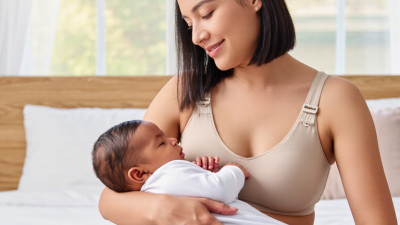
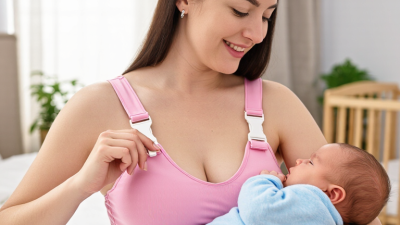
    Nursing access is another practical category. Drop-cup designs support one-handed opening during feeding. Pull-aside panels offer fewer hardware parts and a softer feel. Clips must open smoothly without sharp edges or excessive force. Small details matter. I recommend testing access while holding a folded towel, since real feeding rarely happens under perfect conditions. This simple test may reveal awkward straps or unstable cups.

    Support levels should match use, not marketing language. Light support suits rest and sleep. Medium support fits daily movement, while higher support needs firmer bands, wider straps, and stronger side panels. Size systems should cover band and cup measurements, not rely on S, M, and L alone. Global buyers should compare measurement charts with physical samples across several sizes. A neat chart can still hide grading problems. Some suppliers improve fit in core sizes but neglect extended sizes, which remains a common and disappointing weakness. Check seam pressure, elastic recovery, cup coverage, and colorfastness before placing larger orders.

    2026 Best Cotton Nursing Bra Suppliers for Global Buyers - Product Taxonomy: Cotton Blends, Nursing Access, Support Levels, and Sizes
    Product Taxonomy Typical Fiber Composition Nursing Access Support Level Common Size Range Best Use Case Key Buyer Considerations
    Organic Cotton Sleep Bra 95% cotton, 5% elastane Pull-aside cups Light support XS–XXL
    Band approximately 28–46
    Sleeping, relaxing, and early postpartum wear Prioritize soft seams, wide straps, breathable fabric, and gentle recovery after washing.
    Everyday Cotton-Modal Nursing Bra 48% cotton, 47% modal, 5% elastane One-hand clip-down Light to medium support S–3XL
    Band approximately 30–48
    Daily wear, work, travel, and hospital discharge Modal improves softness and drape; buyers should verify clip strength and cup recovery.
    Cotton-Spandex Seamless Bra 90% cotton, 10% spandex Pull-down crossover Medium support S–4XL
    Band approximately 30–50
    Layering under fitted clothing and flexible day-to-day use Look for four-way stretch, a smooth finish, removable pads, and low-irritation labels.
    Cotton-Rayon Wire-Free Bra 55% cotton, 40% rayon, 5% elastane Drop-down cups Medium support XS–3XL
    Band approximately 28–48
    Long daytime wear and customers preferring a softer hand feel Check underband width, side coverage, cup lining, and resistance to rayon shrinkage.
    Structured Cotton Nursing Bra 85% cotton, 15% elastane One-hand clip-down Medium to firm support 32B–44H
    Selected full-bust grading
    Fuller busts, commuting, and extended daytime support Require reinforced cradle seams, adjustable straps, three- to four-row back closure, and stable cup panels.
    Cotton Nursing Sports Bra 70% cotton, 25% polyester, 5% elastane Pull-down crossover Firm support S–3XL
    Band approximately 30–46
    Walking, low-impact exercise, and active daily routines Polyester improves drying speed; confirm moisture management, bounce control, and secure nursing access.
    Ribbed Cotton Lounge Nursing Bra 92% cotton, 8% elastane Pull-aside cups Light to medium support XS–3XL
    Band approximately 28–48
    Lounge use, maternity transitions, and casual home wear Rib construction adds stretch; inspect recovery, neckline coverage, and colorfastness.
    Cotton-Lined Molded Nursing Bra Outer: 88% polyamide, 12% elastane
    Lining: 100% cotton
    Magnetic or clip-down panel Medium support 32B–42G
    Selected cup-size grading
    Smooth silhouettes, office clothing, and customers wanting nipple coverage Confirm lining fiber disclosure, molded-cup shape retention, hardware safety, and ease of one-hand operation.
    Extended-Size Cotton Nursing Bralette 93% cotton, 7% elastane Pull-down crossover Light to medium support 2XL–6XL
    Band approximately 40–58
    Extended-size customers and relaxed everyday wear Use wider straps, a deeper underband, higher side panels, and inclusive grading rather than simple scaling.
    Postpartum Cotton Recovery Bra 90% cotton, 10% elastane Front-opening clips Light support S–3XL
    Flexible band fit
    Early postpartum comfort and changing breast volume Prioritize adjustability, soft construction, non-compressive support, and easy access for feeding or pumping.

    Buyer note: Fiber percentages, size grading, care instructions, and nursing hardware should be verified against the supplier’s technical specification and pre-production samples. Actual fit may vary by pattern, stretch recovery, and regional size standards.

    Supplier Scorecard: MOQ, Capacity, Lead Time, QC, and Export Performance

    2026 Best Cotton Nursing Bra Suppliers for Global Buyers

    A practical supplier scorecard should measure more than price. For cotton nursing bras, begin with MOQ, monthly capacity, and production flexibility. A low MOQ helps test demand, but it may increase unit cost. Ask for capacity by style, color, and size range. Factory figures should match recent production records, not only sales claims.

    Lead time needs a clear breakdown. Record sampling days, material booking, sewing time, inspection, and export preparation. Cotton fabric availability can change schedules quickly. Reliable suppliers provide a written timeline and update buyers before delays occur. Check whether they can maintain consistent cup shape, band recovery, nursing clips, and stitching quality across repeated orders.

    Quality control should include fabric composition checks, wash testing, colorfastness, measurement reports, and final random inspection. Ask for defect limits and corrective-action records. Export performance also matters. Review shipment history, packing standards, document accuracy, and experience with destination requirements. A supplier with strong communication may prevent costly mistakes.

    No scorecard is perfect. Weighting every factor equally can mislead buyers. For example, a high-capacity factory may still struggle with small trial orders. I would score each supplier from one to five, then verify the weakest category through samples and a live production review. Keep evidence beside every score. Gut feeling alone is not enough.

    Certification Filter: GOTS 70% Rule and OEKO-TEX 1,000+ Substance Tests

    2026 Best Cotton Nursing Bra Suppliers for Global Buyers

    For global buyers, certification should be checked before comparing prices or fabric softness. GOTS certification does not mean every fiber is organic. The “made with organic” grade requires at least 70% certified organic fibers. The stricter “organic” grade requires at least 95%. Ask suppliers for a valid certificate, product scope, processing sites, and transaction records. A factory certificate alone may not cover the nursing bra you are ordering.

    OEKO-TEX Standard 100 adds another practical safety filter. Its testing examines more than 1,000 potentially harmful substances, including restricted dyes, formaldehyde, and certain plasticizers. Testing requirements vary by product component and skin contact level. Nursing bras touch sensitive skin for long periods, so buyers should request the correct product class. Check fabric, elastic, thread, nursing clips, and printed labels separately. Small parts are easy to overlook.

    I would also compare certificate numbers against the issuing organization’s online records. Do not rely on a scanned logo. It can be outdated, cropped, or unrelated to the shipment. Ask for recent laboratory documentation and production dates. Certification reduces risk, but it does not replace physical inspection. In practice, color changes after washing still occur, even with compliant materials. A pre-production sample and wash test can expose weaknesses before bulk purchasing. Supplier claims deserve verification, including my own assumptions.

    Global Shortlist: Comparing Factory Credentials, Prices, and Incoterms 2020

    For global buyers, a 2026 cotton nursing bra shortlist should begin with factory evidence, not attractive photographs. Request a current business license, production address, audit records, and recent test reports. Verify cotton content, colorfastness, seam strength, and hook durability through independent testing. A capable factory should explain its bra-making process clearly, from fabric inspection to final carton checks. Ask for a live video tour when an in-person visit is impractical.

    Prices need careful comparison. A quoted unit price may exclude nursing clips, molded cups, packaging, testing, and sample development. For example, compare a 5,000-piece order with identical cotton content, sizes, colors, and packaging. Record the MOQ, tooling fee, payment schedule, lead time, and defect allowance. Low prices can hide weaker elastic recovery. That mistake is expensive.

    Incoterms 2020 also change the real purchasing cost. EXW may leave transport and export handling with the buyer. FOB usually gives clearer control over the main shipment, while CIF includes freight and insurance to the named port. DDP can appear convenient, but tax and import responsibilities require careful confirmation in each destination. Always request the named place, insurance scope, transfer point, and shipping documents in writing. I have seen comparisons fail because buyers matched factory prices but ignored port charges. The spreadsheet looked precise. It was not. Rechecking freight, carton volume, and seasonal delays remains necessary.