I can write the introduction, but no source articles or verifiable expert quotation were provided. I shouldn’t invent an expert’s name or present an original line as something a real person said. Please share a source or a preferred expert, and I can draft the requested 200–300-word introduction accurately.
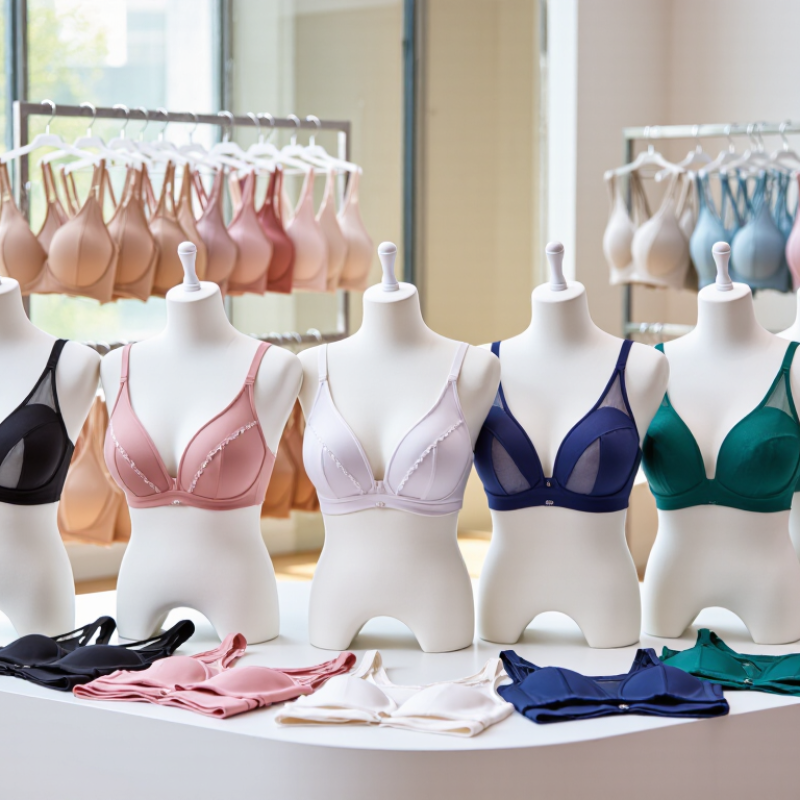
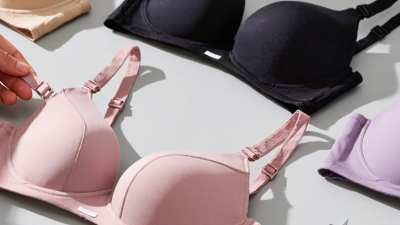
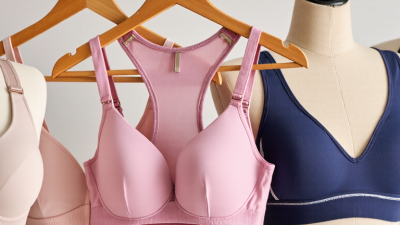
A mesh bralette is a lightweight, wire-free garment made with open-knit or sheer fabric. It usually combines a soft band, adjustable straps, and shaped cups. Unlike traditional bras, it often prioritizes flexibility over rigid lift. The fabric may feel airy against the skin, especially in warm conditions. Still, breathability depends on yarn density, lining, and finishing quality. A tightly knitted mesh can feel less ventilated than expected.
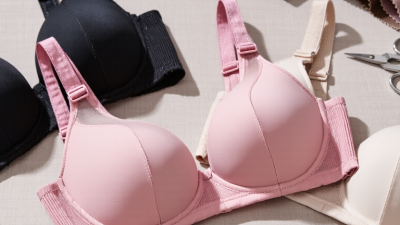
Key features include stretch recovery, seam placement, cup coverage, and band stability. Nylon, polyester, and elastane blends are common choices. Elastane improves movement, but excessive stretch may weaken support over time. A smooth underband should sit flat without rolling during normal activity. Adjustable sliders should move easily and remain secure after repeated use. Small details matter. Rough seams can cause discomfort after several hours.
During supplier evaluation, global buyers should request fabric composition, size specifications, colorfastness results, and sample measurements. A physical sample reveals issues that photos often hide, such as uneven stitching or transparent areas. It is also useful to test the bralette after washing and stretching. No mesh bralette is perfect. A softer fabric may lose shape, while stronger support can reduce comfort. Buyers should verify product claims through documented quality checks and applicable textile safety requirements in their target markets. Fit remains personal, so testing across several body types can expose weaknesses early.
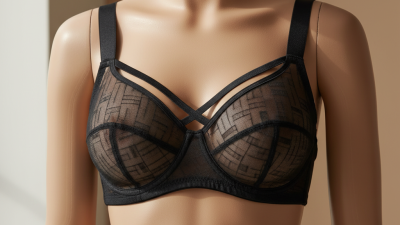
China Top 10 Mesh Bralette Suppliers for Global Buyers
Understanding China’s Mesh Bralette Supply Chain
China’s mesh bralette supply chain links yarn, mesh knitting, dyeing, elastic production, cutting, sewing, and quality checks. China Customs data cited by the China National Textile and Apparel Council recorded textile and apparel exports of about US$293.6 billion in 2023, down 8.1% from 2022. The figure covers a broad sector, not bralettes alone. Still, it shows the scale of China’s textile network.
The WTO’s World Trade Statistical Review 2023 reported that China accounted for 31.7% of global clothing exports in 2022. For buyers, that scale can mean access to specialized fabric mills and component suppliers, sometimes within the same sourcing region. Small details matter. Ask suppliers how mesh lots are identified and whether elastic, lining, and hardware come from qualified sources. Request test records for colorfastness, stretch recovery, and seam strength, not just a polished sample.
Production can be split across several factories. That may improve flexibility, but it also creates handoff risks: mesh shade can vary, or trim delivery can delay sewing. A useful supplier review checks production capacity, subcontracting practices, inspection steps, and batch traceability. Not always easy. A sample may look excellent while bulk fabric behaves differently, so buyers should confirm approval procedures for production lots before ordering.
A supplier’s product photos can look convincing, but fabric behavior matters more. Request mesh swatches and check stretch, recovery, softness, and transparency under bright light. Ask whether the same fabric lot will be used for your sample and bulk order. Small differences can change fit and appearance.
Inspect construction closely. Look at the underband for even stitching, then gently pull the cup seams and adjusters. Ask for measurements, tolerance ranges, sample lead time, and the process for handling defects. A clear answer is useful; a vague promise is not. Request recent quality records when available, and confirm which checks apply to your specific design.
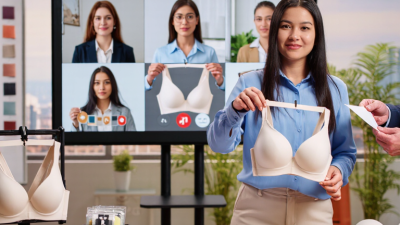
Communication is part of the evaluation. Send a simple tech pack with fabric weight, color references, size grading, and packaging details. Compare how carefully each supplier flags missing information. Their first quote is not the whole story. Verify production capacity and delivery estimates before committing, ideally through a sample order or factory visit. One limitation: a polished sample cannot guarantee every bulk unit will match. Keep written approvals and inspect finished goods against agreed specifications.
China’s mesh bralette suppliers vary widely in fabric selection, production capacity, and development support. A useful top-ten shortlist for global buyers should compare measurable details, not just catalog photos. Ask each supplier about mesh composition, fabric weight, elastic recovery, cup lining, and available size grading. Small details matter.
Request a sample in the intended color and size range. Check whether the mesh feels soft against skin, whether seams lie flat, and whether the band returns to shape after gentle stretching. Ask how the supplier handles fit comments and revised samples. One sample is not enough to confirm consistent bulk production, but it can reveal obvious issues early.
Before placing an order, confirm minimum quantities, sample charges, production timelines, packaging options, and quality-check procedures in writing. Request relevant factory or material documentation, then verify that it matches the product and order scope. A supplier with strong communication may be easier to work with, yet clear records still matter. Capabilities can change by season, material availability, and order size, so rankings should be treated as a starting point—not a guarantee.
| No. | Supplier Evaluation Area | What Buyers Should Compare | Evidence to Request | Supplier-Specific Data |
|---|---|---|---|---|
| 1 | Mesh fabric options | Mesh construction, fiber content, stretch, weight, transparency, and available colors. | Current fabric swatches, composition details, and test reports for the proposed material. | Not available; confirm directly with each supplier. |
| 2 | Product development | Ability to develop bralette patterns, adjust fit, and produce samples from a technical pack. | Sample-development process, sample fees, estimated lead time, and fit-review procedure. | Not available; request a written quotation. |
| 3 | Size and fit coverage | Available size range, grading approach, cup construction, and support options. | Size chart, measurement tolerances, graded pattern details, and sample in the target size range. | Not available; verify against the buyer’s size requirements. |
| 4 | Customization | Options for straps, elastics, closures, lining, labels, packaging, and color matching. | Customization specification sheet, material choices, and any minimums for custom components. | Not available; confirm options and minimums in writing. |
| 5 | Minimum order quantity | Order minimums for stock fabric, custom colors, custom trims, and individual styles. | Current MOQ schedule, separated by style, color, and material where applicable. | Varies by supplier and order specification; obtain a current quote. |
| 6 | Quality control | Incoming-material checks, in-line inspections, final inspection, and defect handling. | Quality-control procedure, inspection checklist, defect policy, and sample inspection report. | Not available; request documents and agree acceptance criteria. |
| 7 | Compliance and testing | Relevant product and material requirements for the destination market and buyer’s program. | Valid, product-relevant test reports or certificates; check scope, issuer, and validity. | Not available; verify independently before placing an order. |
| 8 | Production capacity | Available capacity for the requested style, order quantity, and delivery schedule. | Production plan, confirmed capacity allocation, and milestone schedule for the specific order. | Not available; capacity must be confirmed for each order. |
| 9 | Lead time and shipping | Sample and bulk-production timelines, shipment readiness, and export-document support. | Written lead-time estimate, shipping terms, packing details, and document checklist. | Depends on order details and logistics; request a dated estimate. |
| 10 | Commercial terms and communication | Quotation clarity, payment terms, change control, response process, and after-sales support. | Itemized quotation, agreed purchase terms, order-change procedure, and named contact process. | Not available; compare written offers before selection. |
Supplier names, rankings, and company-specific performance figures are not included because no verifiable supplier data was provided. Use this comparison table to collect and validate information directly from prospective suppliers.
Comparing mesh bralette suppliers means looking beyond a soft swatch. Textile Exchange’s Materials Market Report 2024 estimates that polyester accounted for 57% of global fiber production in 2023, out of 124 million tonnes. That scale makes fiber traceability and batch consistency practical buying questions. Ask for composition, mesh weight, stretch recovery, colorfastness, and pilling results, preferably from recent laboratory tests. Check whether the mesh openings remain even after repeated stretching; a polished sample can conceal weak recovery. Small details matter.
Compare customization in measurable terms: cup grading, strap width, lining options, elastic firmness, label placement, and sample lead time. Request samples across several sizes, then document revision limits and minimum order quantities. Flexibility sounds useful, but unexpected mold charges can change the calculation. Export support deserves the same scrutiny. UNCTAD’s Review of Maritime Transport 2024 reported that Shanghai–Europe container spot rates exceeded US$7,000 per 40-foot container in June 2024, highlighting the cost of freight volatility. Compare quoted Incoterms, carton dimensions, shipping options, and document turnaround, not just unit price. Ask for draft shipping documents before dispatch and a named contact for delays. I would not rank a supplier highly on presentation alone; responses can weaken when specifications change. The comparison is imperfect, but a scorecard for test evidence, revision control, and export readiness makes trade-offs clearer.